Yarrow
Asteraceae
Reviewed by The Sarv Health Team · Our editorial process
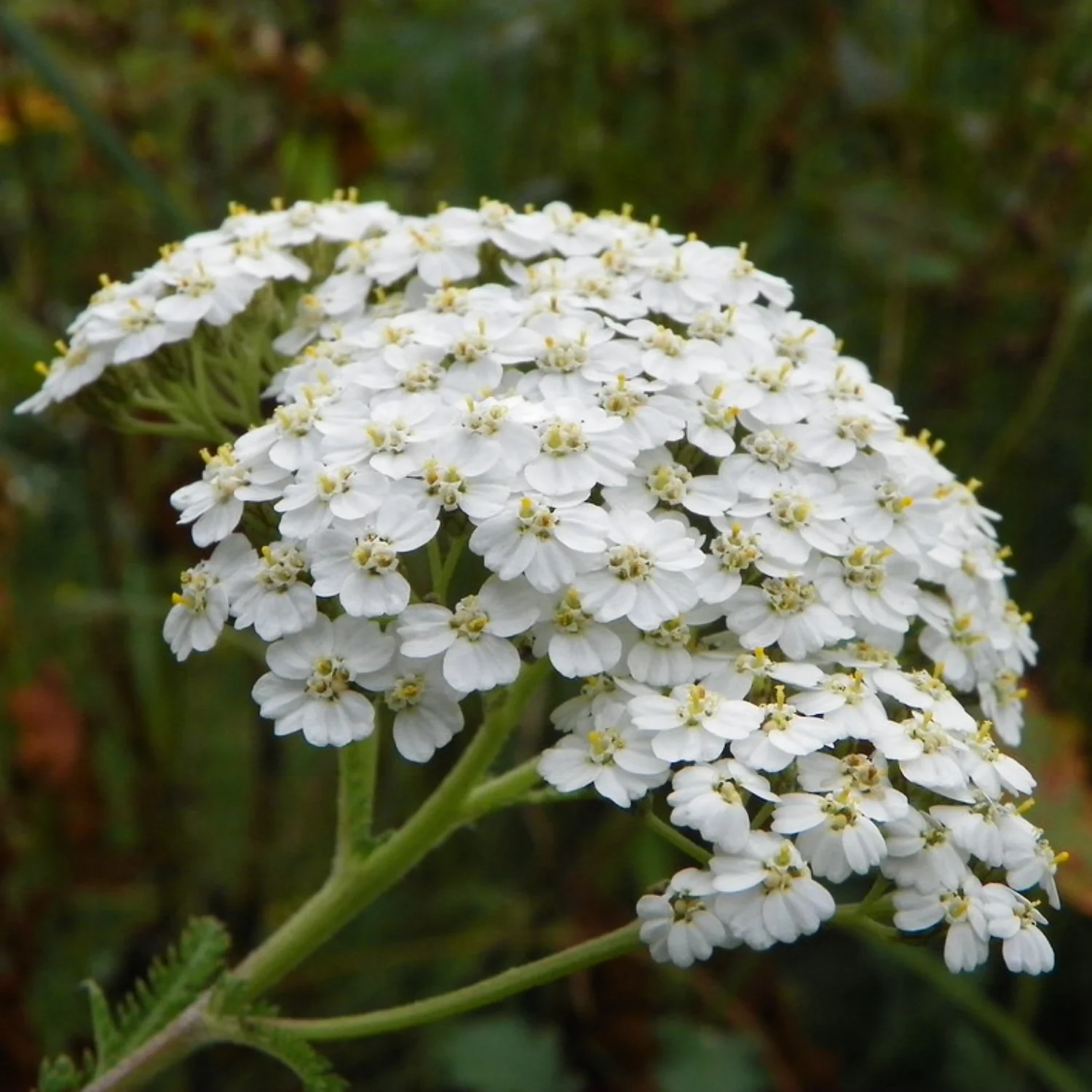
Yarrow demonstrates impressive antimicrobial and antiviral properties, providing a natural alternative in the face of growing antibiotic resistance. It showcases a broad spectrum of antimicrobial activity against various bacteria, including Staphylococcus aureus and Escherichia coli, and fungi like Candida albicans. Yarrow also contributes to cardiovascular health by supporting blood circulation, aiding in stopping hemorrhages, and resolving congested blood in bruises and wounds. Additionally, it plays a vital role in improving intestinal health by reducing pathogenic bacteria in the gastrointestinal tract. Its ability to induce sweating helps in detoxifying the body from bacterial or viral toxins, as seen in herbalist John Christopher's account of treating influenza with yarrow tea. However, it should be used cautiously, avoiding large dosages during pregnancy and noting potential allergic reactions.
Medicinal Uses
Yarrow is recognized for its antimicrobial and antiviral properties, making it a valuable alternative in the face of increasing antibiotic resistance. Research has shown its effectiveness against various bacteria and fungi, highlighting its broad antimicrobial spectrum. Additionally, yarrow has been found to lower serum lipid levels and boost the immune system. It supports intestinal health by reducing harmful bacteria in the gastrointestinal tract.
Yarrow is beneficial for blood circulation, aiding in the treatment of hemorrhages and assisting in the healing of bruises and wounds by dispersing congested blood. It also regulates body temperature during fevers and chills and can help balance the reproductive cycle and menstrual flow. Its use in sitz baths can alleviate bleeding hemorrhoids and strengthen the digestive tract, indirectly supporting the lymphatic system through its cardiovascular benefits.
Small doses of hot yarrow infusion can induce sweating, helping to eliminate bacterial or viral toxins through the skin by slightly increasing body temperature. This method was notably used by herbalist John Christopher to effectively treat his daughter's influenza, showcasing the simplicity and accessibility of using yarrow as a natural remedy.
However, it is advised to avoid large doses of yarrow during pregnancy and to be cautious of potential allergic reactions, although they are rare.
Benefits
fights infections, reduces serum lipids, improves intestinal health, supports blood circulation, reduces sweating
How to Use & Dosage
For an infusion, use 2 teaspoons per cup, steep for 10 minutes, and consume 1 to 3 cups per day. Alternatively, drink 4 to 6 ounces until perspiration begins.
The tincture can be taken in doses of 1 to 2 dropperfuls, 3 to 4 times per day.
Prepare a sitz bath by using 1 ounce of the infusion per quart of hot water. Steep it for 1 hour, strain, and add it to a sitz bath basin. Soak in it for 20 minutes.
More Info
Frequently asked questions
What is Yarrow used for?
Yarrow is recognized for its antimicrobial and antiviral properties, making it a valuable alternative in the face of increasing antibiotic resistance. Research has shown its effectiveness against various bacteria and fungi, highlighting its broad antimicrobial spectrum. Additionally, yarrow has been found to lower serum lipid levels and boost the immune system.
What are the benefits of Yarrow?
fights infections, reduces serum lipids, improves intestinal health, supports blood circulation, reduces sweating
How do you take Yarrow?
Common preparations include infusion, tincture, sitz bath. See the dosage guidance above, and consult a qualified practitioner for amounts suited to you.
This information is for general wellness and educational purposes only and is not medical advice. Consult a qualified healthcare provider before using any herb — especially if you are pregnant, nursing, or taking medication.
Learn more — more Digestive Health herbs