Black Walnut
Juglandaceae
Reviewed by The Sarv Health Team · Our editorial process
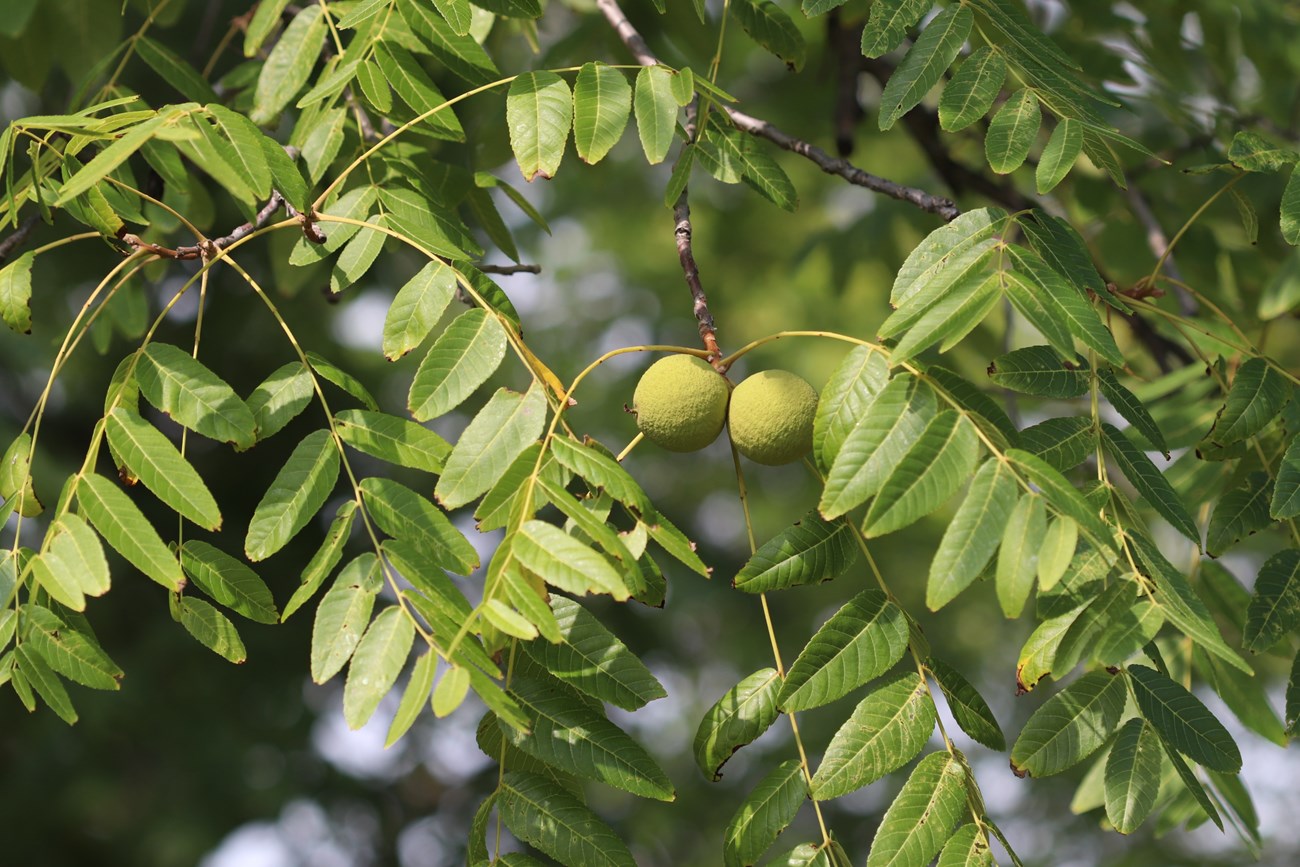
Black walnut is traditionally used to detoxify the colon and body, aiding in the absorption of nutrients, especially fats and proteins. It helps address skin conditions like eczema, acne, and rosacea, which can result from toxin buildup. Black walnut tincture, high in plant-based iodine, has antibacterial, anti-parasitic, and fungicidal properties, making it effective for sinus infections and traveler's diarrhea. Additionally, it's used to treat hypothyroidism and goiter. Some users may experience ringing in the ears as a side effect.
Medicinal Uses
Black walnut is renowned for its detoxifying effects on the colon and the entire body, aiding in the purification of the lower bowels and the elimination of accumulated toxins. It is particularly effective when the colon is compromised, displaying inflammation, weakness, or malabsorption issues. By toning the colon's tissues, black walnut enhances the assimilation of nutrients, particularly fats and proteins, thereby alleviating the liver's detoxification burden. This reduction in "bad blood" can lead to improvements in skin conditions such as eczema, acne, rosacea, and boils, which are often indicative of underlying metabolic and detoxification imbalances.
Moreover, black walnut tincture boasts significant antibacterial, anti-parasitic, and fungicidal properties, attributed to its high iodine content, making it a potent substitute for traditional iodine antiseptics. Its oxidizing action disrupts the cellular equilibrium of harmful microbes, making it a powerful remedy for external use and internal conditions like traveler's diarrhea. Black walnut is also recommended for sinus infections and congestion, especially when used in a neti pot solution with salt. However, caution is advised as black walnut can sometimes lead to side effects like ringing in the ears, which some attribute to the die-off of parasitic infections.
Benefits
detoxifies colon and body, fights bacterial, parasitic, and fungal infections, treats hypothyroidism and goiter
How to Use & Dosage
- To prepare an infusion, use 1 or 2 teaspoons of the substance per cup of water.
- Steep the infusion for 15 minutes and drink 1 to 3 cups per day.
- When using a tincture, take 3 to 30 drops, 3 times per day.
- For a neti pot, combine 1 dropperful of tincture with salt and water.
- For a fomentation, use 3 tablespoons of the substance per pint of water.
- Steep the mixture for 1 hour, then strain it.
- Soak a cotton cloth in the infusion and apply it to the affected area.
More Info
Frequently asked questions
What is Black Walnut used for?
Black walnut is renowned for its detoxifying effects on the colon and the entire body, aiding in the purification of the lower bowels and the elimination of accumulated toxins. It is particularly effective when the colon is compromised, displaying inflammation, weakness, or malabsorption issues. By toning the colon's tissues, black walnut enhances the assimilation of nutrients, particularly fats and proteins, thereby alleviating the liver's detoxification burden.
What are the benefits of Black Walnut?
detoxifies colon and body, fights bacterial, parasitic, and fungal infections, treats hypothyroidism and goiter
How do you take Black Walnut?
Common preparations include infusion, tincture, fomentation. See the dosage guidance above, and consult a qualified practitioner for amounts suited to you.
This information is for general wellness and educational purposes only and is not medical advice. Consult a qualified healthcare provider before using any herb — especially if you are pregnant, nursing, or taking medication.
Learn more — more Digestive Health herbs