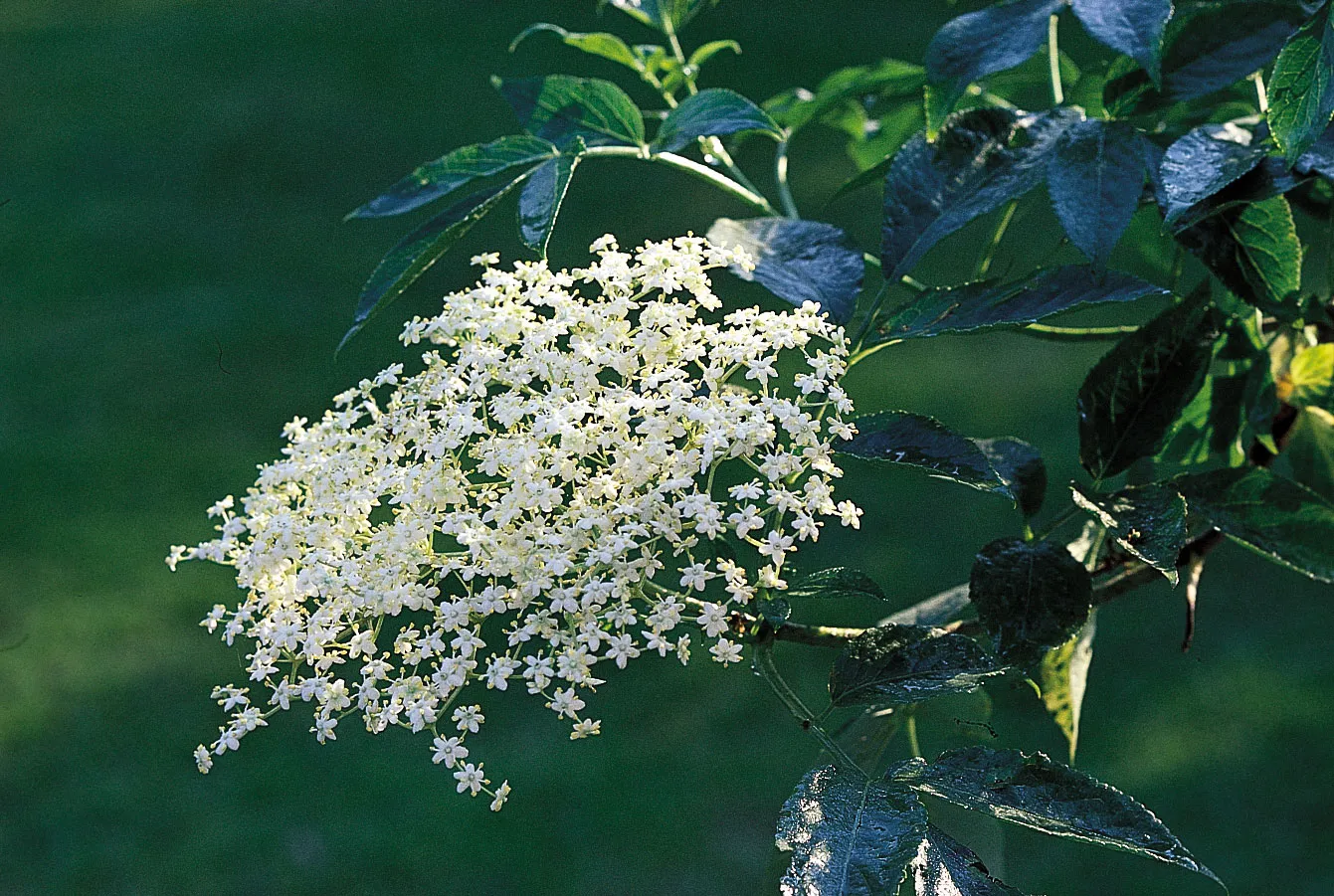
Couch grass
Poaceae
Reviewed by The Sarv Health Team · Our editorial process

Couch grass is a beneficial herb for kidney and bladder issues, particularly in dissolving kidney stones and alleviating related discomfort. It has been effective in treating interstitial cystitis (IC), a condition that mirrors bladder infection symptoms without the presence of bacteria. IC is believed to result from prolonged bladder irritation, leading to minor perforations in the bladder lining. Couch grass, combined with pipsissewa and goldenrod, can heal these perforations and reduce irritation. Additionally, the herb can help balance blood sugar due to its impact on the kidney's release of erythropoietin, which aids in glucose metabolism. However, prolonged use is cautioned due to its diuretic properties which can lead to potassium loss.
Medicinal Uses
Couch grass is a highly valued herb for addressing various kidney and bladder issues, offering relief from the discomfort associated with kidney stones by dissolving them and soothing the renal passageways. Its calming properties make it beneficial for a wide range of kidney and bladder conditions.
Particularly notable is its efficacy in treating interstitial cystitis (IC), a condition characterized by bladder wall irritation that mimics the symptoms of a bladder infection but without the presence of bacteria. It's believed that IC may result from prolonged bladder irritation and inflammation, leading to small perforations in the bladder lining. When irritants pass through the bladder, these perforations can become inflamed, causing symptoms similar to a bladder infection. Couch grass, in combination with herbs like pipsissewa and goldenrod, can help heal these lesions and alleviate irritation.
Couch grass may also influence blood sugar levels, a common effect of herbs that act on the kidneys due to their role in releasing erythropoietin, a hormone involved in glucose metabolism regulation.
However, caution is advised with long-term use of couch grass because of its diuretic properties, which can lead to increased urinary output and potential potassium loss. It's important to monitor this, especially for individuals on extended treatments, to prevent electrolyte imbalances.
Benefits
supports kidneys and bladder, controls blood sugar
How to Use & Dosage
- For an infusion, use 1 or 2 teaspoons per cup.
- Steep it for 3 to 4 hours.
- You can drink 1 to 3 cups of this infusion per day.
- For a tincture, take 1 or 2 dropperfuls.
- You can take it 1 to 6 times per day.
- Alternatively, take 1 dropperful every 30 minutes until acute symptoms subside.
- For a decoction, use 3 teaspoons of the herb in 1 pint of water.
- Simmer it for 15 minutes.
- Take 4 ounces every 30 minutes as needed.
More Info
Frequently asked questions
What is Couch grass used for?
Couch grass is a highly valued herb for addressing various kidney and bladder issues, offering relief from the discomfort associated with kidney stones by dissolving them and soothing the renal passageways. Its calming properties make it beneficial for a wide range of kidney and bladder conditions. Particularly notable is its efficacy in treating interstitial cystitis (IC), a condition characterized by bladder wall irritation that mimics the symptoms of a bladder infection but without the presence of bacteria.
What are the benefits of Couch grass?
supports kidneys and bladder, controls blood sugar
How do you take Couch grass?
Common preparations include infusion, tincture, decoction. See the dosage guidance above, and consult a qualified practitioner for amounts suited to you.
This information is for general wellness and educational purposes only and is not medical advice. Consult a qualified healthcare provider before using any herb — especially if you are pregnant, nursing, or taking medication.
Learn more — more Digestive Health herbs