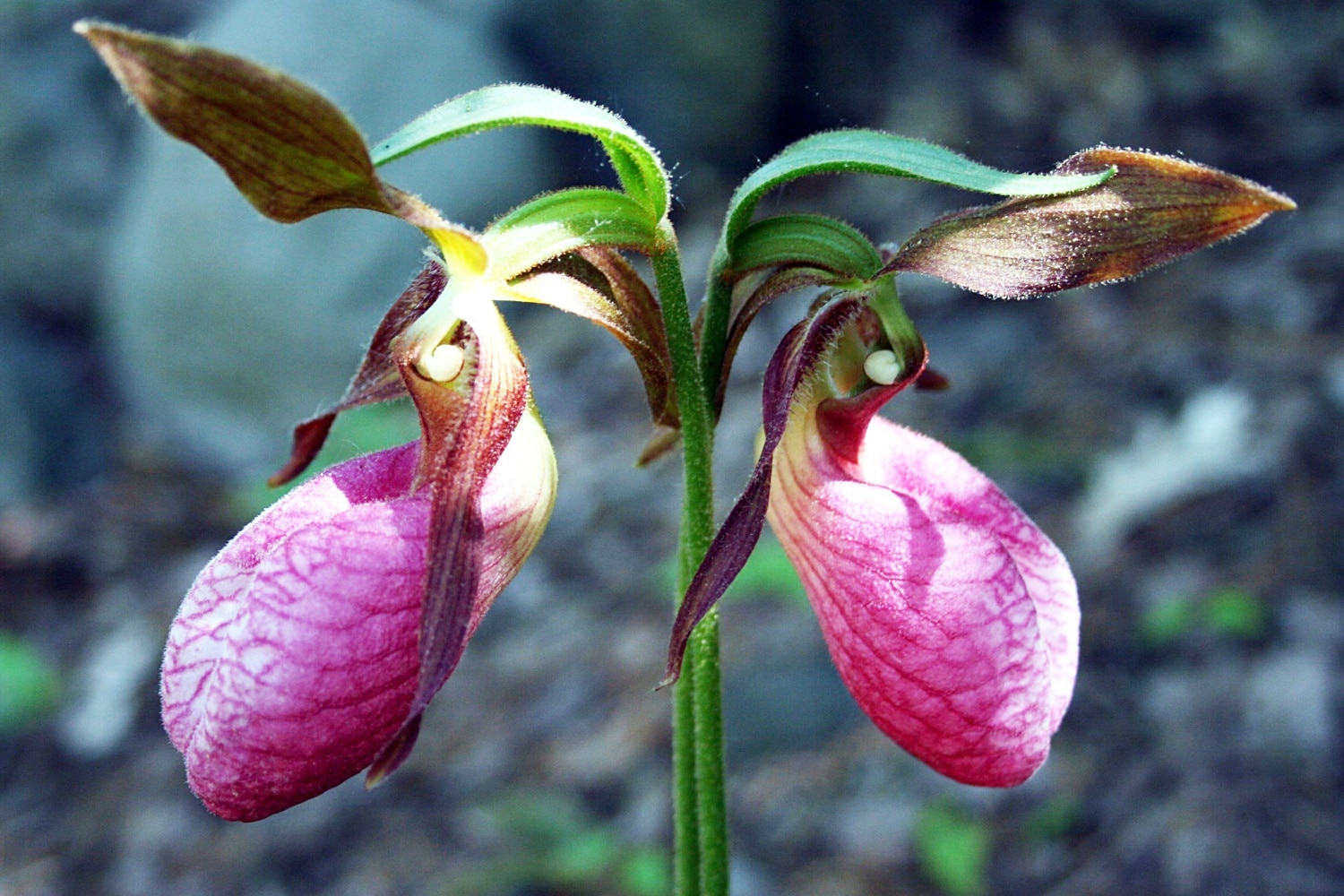
Rose petals
Rosaceae
Reviewed by The Sarv Health Team · Our editorial process
Rose petals are rich in vitamins (A, C, E, and K), antioxidants, and essential oils, offering numerous health benefits. They possess anti-inflammatory and antioxidant properties that reduce inflammation, protect cells from oxidative stress, and soothe irritated skin. Their astringent properties help tighten and tone the skin, promoting healing of minor wounds and improving complexion. Rose petals also have mild sedative and antidepressant effects, reducing stress, anxiety, and improving mood, making them useful for alleviating symptoms of depression and insomnia. Additionally, they aid digestion by stimulating bile production, reducing bloating, and relieving stomach cramps. Their antimicrobial properties help fight infections and support the immune system. Overall, rose petals provide significant medicinal benefits, promoting skin health, reducing stress, improving digestion, and supporting immunity.
Medicinal Uses
Rose petals are not only beautiful but also possess numerous medicinal properties. Rich in vitamins (A, C, E, and K), antioxidants, and essential oils, rose petals offer a range of health benefits.
One of the primary medicinal uses of rose petals is their anti-inflammatory and antioxidant properties. The high levels of vitamin C and flavonoids help reduce inflammation and protect cells from oxidative stress, which can prevent chronic diseases and promote overall health. These properties make rose petals beneficial for soothing irritated skin and reducing redness and swelling.
Rose petals also have astringent properties, which help tighten and tone the skin, making them effective in treating minor wounds, cuts, and burns. The natural oils in rose petals provide hydration and nourishment to the skin, promoting a healthy complexion and reducing the appearance of scars and blemishes.
In addition, rose petals have mild sedative and antidepressant effects. They contain compounds that help reduce stress and anxiety, promote relaxation, and improve mood. This makes rose petals a popular natural remedy for alleviating symptoms of depression, anxiety, and insomnia.
Rose petals are also known for their digestive benefits. They can help improve digestion, reduce bloating, and relieve stomach cramps. The natural compounds in rose petals stimulate the production of bile, which aids in the digestion of fats and supports overall gastrointestinal health.
Furthermore, rose petals have antimicrobial properties that help fight off infections. They can be used to treat minor infections and support the immune system in warding off pathogens.
Benefits
Reduces inflammation, protects cells from oxidative stress, soothes irritated skin, tightens and tones skin, promotes healing of minor wounds, improves complexion, reduces stress and anxiety, improves mood, alleviates symptoms of depression and insomnia, stimulates bile production, improves digestion, reduces bloating, relieves stomach cramps, fights infections, supports the immune system
How to Use & Dosage
Steep 1-2 teaspoons of dried rose petals in a cup of boiling water for 5-10 minutes. Drink 1-3 cups of rose petal tea daily.
1/4 to 1/2 teaspoon, taken 1-2 times daily.
1-2 ml (about 20-40 drops), taken 1-3 times daily.
For aromatherapy, add a few drops to a diffuser. For topical use, dilute 1-2 drops in a carrier oil and apply to the skin.
More Info
Frequently asked questions
What is Rose petals used for?
Rose petals are not only beautiful but also possess numerous medicinal properties. Rich in vitamins (A, C, E, and K), antioxidants, and essential oils, rose petals offer a range of health benefits. One of the primary medicinal uses of rose petals is their anti-inflammatory and antioxidant properties.
What are the benefits of Rose petals?
Reduces inflammation, protects cells from oxidative stress, soothes irritated skin, tightens and tones skin, promotes healing of minor wounds, improves complexion, reduces stress and anxiety, improves mood, alleviates symptoms of depression and insomnia, stimulates bile production, improves digestion, reduces bloating, relieves stomach cramps, fights infections, supports the immune system
How do you take Rose petals?
Common preparations include tea, powder, tincture, essential oil. See the dosage guidance above, and consult a qualified practitioner for amounts suited to you.
This information is for general wellness and educational purposes only and is not medical advice. Consult a qualified healthcare provider before using any herb — especially if you are pregnant, nursing, or taking medication.
Learn more — more Pain Management herbs