Oatstraw
Poaceae
Reviewed by The Sarv Health Team · Our editorial process
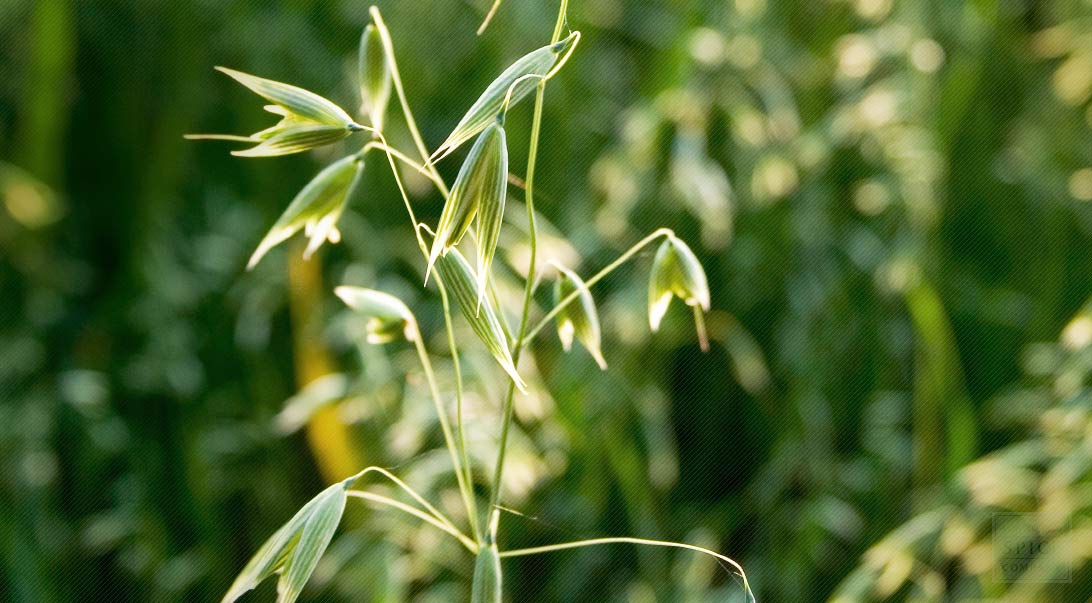
Oatstraw is rich in silicon, making it effective in strengthening connective tissues, mucous membranes, and nerve fibers. It is also beneficial in calming the nervous system and is especially suitable for children. A 2012 study highlighted its ability to reduce skin inflammation and irritation, proving particularly useful in alleviating symptoms of atopic dermatitis, psoriasis, and various rashes. However, those with gluten sensitivity should avoid oatstraw.
Medicinal Uses
Oatstraw is highly regarded for its silicon content, making it an effective herb for reinforcing connective tissues, mucous membranes, and nerve fibers. Beyond silicon, oatstraw is rich in trace minerals and vitamins, contributing to the overall fortification of the body, especially beneficial for those recovering from illness or dealing with the effects of overexertion.
As a nervine, oatstraw plays a significant role in calming and toning the central nervous system, making it an ideal option for children in need of relaxation and a sense of calm.
In terms of dermatological health, oatstraw has been studied for its ability to reduce skin irritation and inflammation. A 2012 study confirmed what herbalists have long advocated�oatstraw's capacity to decrease arachidonic acid levels and halt the pro-inflammatory process in the body. This property makes oatstraw an excellent remedy for skin conditions characterized by irritation and inflammation, such as atopic dermatitis, psoriasis, and various rashes caused by fungal or viral infections. Oatstraw baths are particularly recommended for their skin-moisturizing benefits.
However, individuals with gluten sensitivity should exercise caution and avoid oatstraw due to potential adverse reactions.
Benefits
strengthens tissues and nerves, calms and relaxes the system, reduces skin irritation and inflammation
How to Use & Dosage
For a bath, make an infusion with 4 tablespoons per quart. Steep it for 2 hours, strain, and then soak the affected area.
To make an infusion, use 1 or 2 teaspoons per cup. Steep it for 10 minutes, and you can have 1 to 4 cups per day.
Take 1 or 2 dropperfuls of tincture, 1 to 3 times per day.
To make a fomentation, use 3 tablespoons per quart. Steep it for 1 hour, strain, and apply the soaked cloth to the area as needed.
More Info
Frequently asked questions
What is Oatstraw used for?
Oatstraw is highly regarded for its silicon content, making it an effective herb for reinforcing connective tissues, mucous membranes, and nerve fibers. Beyond silicon, oatstraw is rich in trace minerals and vitamins, contributing to the overall fortification of the body, especially beneficial for those recovering from illness or dealing with the effects of overexertion. As a nervine, oatstraw plays a significant role in calming and toning the central nervous system, making it an ideal option for children in need of relaxation and a sense of calm.
What are the benefits of Oatstraw?
strengthens tissues and nerves, calms and relaxes the system, reduces skin irritation and inflammation
How do you take Oatstraw?
Common preparations include bath, infusion, tincture, fomentation. See the dosage guidance above, and consult a qualified practitioner for amounts suited to you.
This information is for general wellness and educational purposes only and is not medical advice. Consult a qualified healthcare provider before using any herb — especially if you are pregnant, nursing, or taking medication.
Learn more — more Pain Management herbs