Chickweed
Caryophyllaceae
Reviewed by The Sarv Health Team · Our editorial process
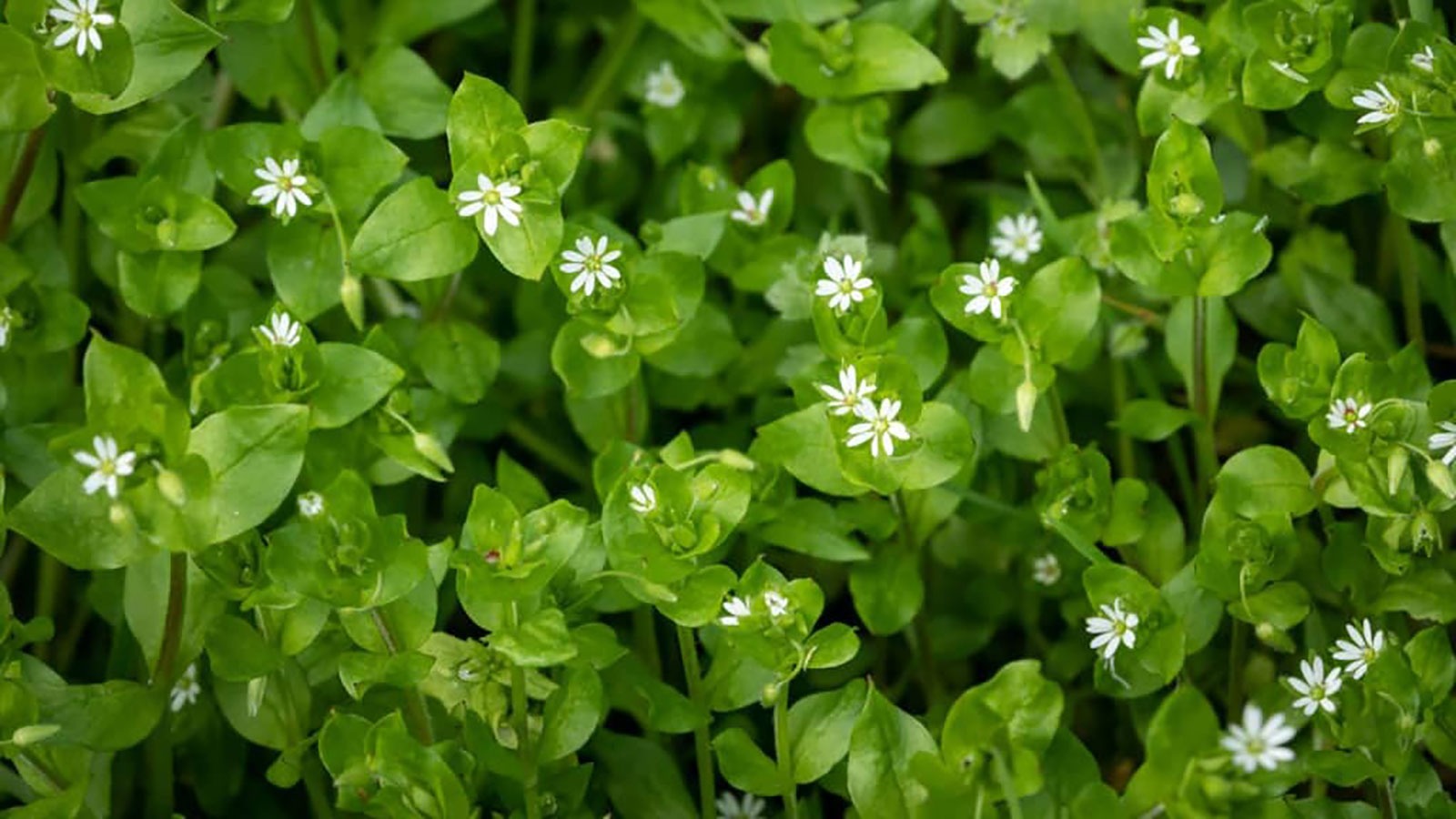
Chickweed is a versatile herb known for its healing properties. It is effective in treating wounds, burns, and skin diseases. The herb aids the respiratory system, especially for conditions like dry coughs, asthma, and allergies. Furthermore, chickweed can reduce internal bleeding in areas such as the intestines and rectum, and its cooling nature helps minimize inflammation. It also supports kidney function, helps regulate water in the body, and has been reported to reduce cysts. Generally, chickweed is considered safe for use.
Medicinal Uses
Chickweed, known for its cooling and moistening properties, is highly effective in treating a variety of skin conditions, including wounds, burns, and skin diseases. Its healing capabilities can be harnessed through the application of poultices, fomentations, or salves, providing relief and promoting recovery.
In respiratory care, chickweed acts as a demulcent, offering soothing support for dry and irritated respiratory conditions such as dry coughs, asthma, and allergies. Its moistening nature helps alleviate discomfort and ease breathing.
Chickweed's nutrient-rich composition makes it beneficial for internal health as well, aiding in the absorption of trace minerals and vitamins which enhance cellular vitality. This nutritive support can help stop internal bleeding, particularly from ulcers or within the gastrointestinal tract, and its cooling effect is known to reduce inflammation.
Additionally, chickweed plays a role in kidney health and water balance within the body. It has been reported to assist in reducing water retention and cyst formation, contributing to proper metabolic function by ensuring efficient water regulation.
Overall, chickweed is considered safe for general use, with no significant contraindications reported, making it a versatile herb for addressing a range of health concerns.
Benefits
heals wounds, supports respiratory system, reduces internal bleeding and inflammation, supports kidneys
How to Use & Dosage
- For an infusion, use 1 to 3 teaspoons per cup of water.
- Steep it for 10 to 12 minutes.
- You can drink 1 to 3 cups of this infusion per day.
- For a tincture, take 1 to 3 dropperfuls.
- You can repeat this 1 to 3 times per day.
- Use as needed.
More Info
Frequently asked questions
What is Chickweed used for?
Chickweed, known for its cooling and moistening properties, is highly effective in treating a variety of skin conditions, including wounds, burns, and skin diseases. Its healing capabilities can be harnessed through the application of poultices, fomentations, or salves, providing relief and promoting recovery. In respiratory care, chickweed acts as a demulcent, offering soothing support for dry and irritated respiratory conditions such as dry coughs, asthma, and allergies.
What are the benefits of Chickweed?
heals wounds, supports respiratory system, reduces internal bleeding and inflammation, supports kidneys
How do you take Chickweed?
Common preparations include infusion, tincture, poultice, fomentation, or salve. See the dosage guidance above, and consult a qualified practitioner for amounts suited to you.
This information is for general wellness and educational purposes only and is not medical advice. Consult a qualified healthcare provider before using any herb — especially if you are pregnant, nursing, or taking medication.
Learn more — more Digestive Health herbs