Nettle
Urticaceae
Reviewed by The Sarv Health Team · Our editorial process
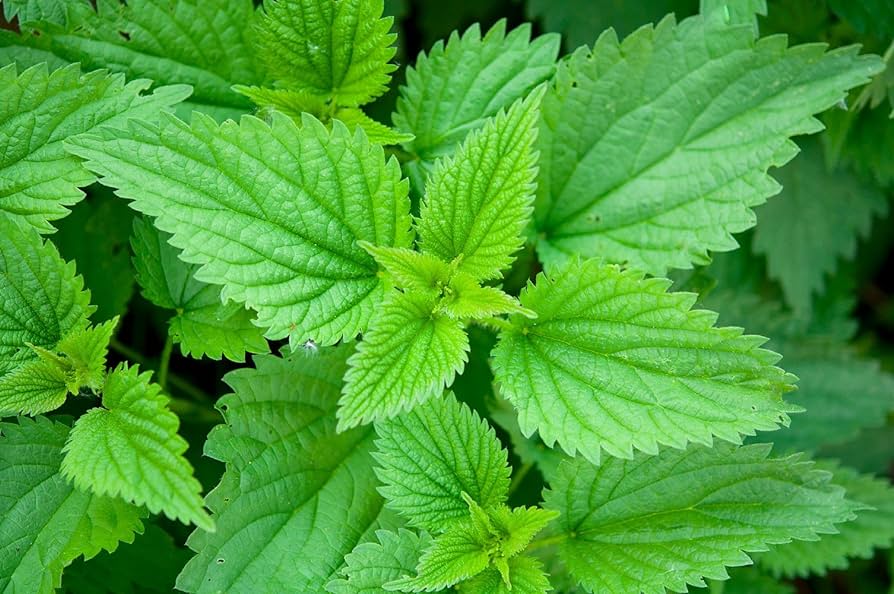
Nettle is a nutrient-rich plant, especially in protein, and helps the body process and remove protein wastes. It acts as a nutritive tonic, beneficial for various conditions like anemia, thyroid, kidney, and muscle issues. It's recommended for blood deficiencies, scanty menses, and can enhance the health of breastfeeding mothers. Nettle also offers relief from allergy symptoms and inflammatory pain, including arthritis. Some have used it for nerve pain such as sciatica. Nettle seeds stimulate the thyroid, particularly in cases of subclinical hypothyroidism, while its root aids kidney issues, prostate hyperplasia, and conditions with dampness as a primary symptom. It may also promote hair growth. Some people, however, find nettle drying, potentially causing headaches or constipation. Combining nettle with moistening agents, like violet, can help mitigate these effects.
Medicinal Uses
Nettle is a nutrient-dense herb, renowned for its high protein content and a wide array of vitamins and minerals that support various aspects of physical health. It is particularly effective in processing proteins in the body and eliminating toxic protein wastes, essentially recycling valuable components from waste into beneficial elements.
As a nutritive tonic, nettle is versatile and safe for all ages, with minimal side effects, primarily related to its handling rather than consumption. It is an excellent blood builder and is often recommended for individuals with anemia or blood deficiency, including children and women with scanty or absent menstrual cycles. Nettle's comprehensive nutrient profile makes it beneficial for supporting various bodily functions, including the thyroid, kidneys, nerves, muscles, and digestive system. It is also commonly included in breastfeeding formulas to support new mothers nutritionally.
Nettle's anti-inflammatory properties make it an effective remedy for allergy symptoms, reducing reactions to allergens and alleviating symptoms like excess mucus and itchiness. Freeze-dried nettle, fresh tincture, or nettle infusion are all recommended forms for addressing allergies.
In terms of pain relief, nettle has shown promise in reducing inflammatory pain, such as that associated with arthritis. Both oral administration and traditional topical application (nettle stinging) have been used, with many patients reporting significant improvement post-treatment due to increased blood flow and reduced inflammation in the affected areas.
Nettle also appears to support nerve health, offering relief from sharp, shooting nerve pains like sciatica, potentially due to its nutrient-rich composition that aids in nerve and tissue repair.
Specifically, nettle seed is indicated for stimulating thyroid function in cases of subclinical hypothyroidism, while the root is beneficial for kidney dysfunction, prostate issues, and conditions related to excessive dampness. Both roots and seeds can contribute to stimulating hair growth.
However, some individuals may find nettle too drying, potentially leading to headaches or constipation. In such cases, it's advisable to combine nettle with a moistening herb like violet to mitigate the drying effects while still reaping nettle's extensive benefits.
Benefits
supplies multitude of nutrients and proteins, tonifies the body, relieves allergy symptoms, relives inflammatory pain, stimulates and supports thyroid, kidney, prostate, scalp
How to Use & Dosage
To make an infusion, use 1 or 2 teaspoons per cup. Steep it for 8 to 12 minutes, and you can have 3 cups per day.
Take 30 to 60 drops of tincture, 1 to 3 times per day.
For a fomentation, use 3 tablespoons per pint. Steep it for 4 hours, soak a cotton cloth, and apply it to the affected area 2 or 3 times per day.
Place leaves directly on any paralyzed or nonresponsive area.
More Info
Frequently asked questions
What is Nettle used for?
Nettle is a nutrient-dense herb, renowned for its high protein content and a wide array of vitamins and minerals that support various aspects of physical health. It is particularly effective in processing proteins in the body and eliminating toxic protein wastes, essentially recycling valuable components from waste into beneficial elements. As a nutritive tonic, nettle is versatile and safe for all ages, with minimal side effects, primarily related to its handling rather than consumption.
What are the benefits of Nettle?
supplies multitude of nutrients and proteins, tonifies the body, relieves allergy symptoms, relives inflammatory pain, stimulates and supports thyroid, kidney, prostate, scalp
How do you take Nettle?
Common preparations include infusion, tincture, fomentation, fresh application. See the dosage guidance above, and consult a qualified practitioner for amounts suited to you.
This information is for general wellness and educational purposes only and is not medical advice. Consult a qualified healthcare provider before using any herb — especially if you are pregnant, nursing, or taking medication.
Learn more — more Digestive Health herbs