Wormwood
Asteraceae
Reviewed by The Sarv Health Team · Our editorial process
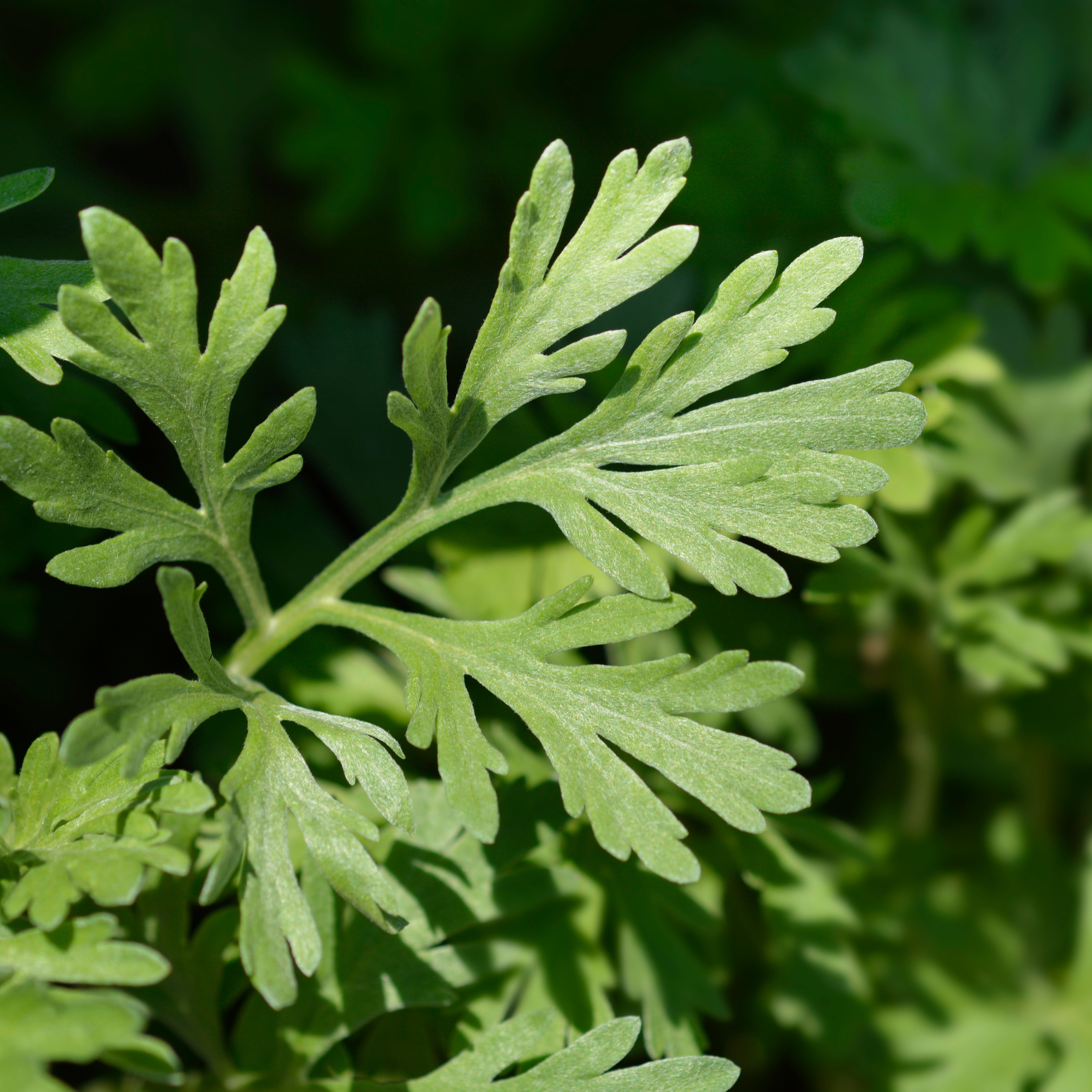
Wormwood serves as a potent herb for various digestive ailments, offering both relaxing and stimulating effects on the gastrointestinal system. It effectively alleviates digestive stagnation, promoting timely processing of food, which is particularly beneficial for heavy meals like hamburgers. Additionally, wormwood liniment is noted for its ability to stimulate blood flow, addressing bodily stagnation and soreness. Its relaxing properties also aid in expelling gas and relieving tension within the digestive tract, enhancing the overall digestive process. Wormwood can be instrumental in managing gastrointestinal infections, including episodes of food poisoning or bacterial infections. However, caution is required as wormwood has strong purgative properties, which, if not moderated, can lead to extreme bowel release and potential dehydration.
Medicinal Uses
Wormwood is known for its effectiveness in clearing digestive stagnation quickly. It also serves as a liniment to stimulate blood flow in areas of the body experiencing stagnation and soreness, thus alleviating pain. Moreover, wormwood can relieve digestive tension by facilitating gas expulsion, making it a favored herb for its calming properties.
Furthermore, wormwood can be beneficial in treating gastrointestinal infections, aiding in recovery from food poisoning or bacterial infections when used in moderate doses.
However, it's important to note that wormwood has a strong purgative effect and can lead to excessive elimination and potential dehydration if not used cautiously.
Benefits
relaxes and stimulates digestion, eases pain, calms tension, helps with gastrointestinal infections
How to Use & Dosage
To prepare an infusion, use 1/2 to 1 teaspoon per cup, steep it for 5 to 10 minutes, and drink it as needed.
For the liniment, saturate a cotton ball and apply it to the area until it dries. Use it 3 times per day for infections or 2 times per day or as needed for sore muscles.
The tincture can be taken in doses of 1 to 10 drops as needed.
More Info
Frequently asked questions
What is Wormwood used for?
Wormwood is known for its effectiveness in clearing digestive stagnation quickly. It also serves as a liniment to stimulate blood flow in areas of the body experiencing stagnation and soreness, thus alleviating pain. Moreover, wormwood can relieve digestive tension by facilitating gas expulsion, making it a favored herb for its calming properties.
What are the benefits of Wormwood?
relaxes and stimulates digestion, eases pain, calms tension, helps with gastrointestinal infections
How do you take Wormwood?
Common preparations include infusion, liniment, tincture. See the dosage guidance above, and consult a qualified practitioner for amounts suited to you.
This information is for general wellness and educational purposes only and is not medical advice. Consult a qualified healthcare provider before using any herb — especially if you are pregnant, nursing, or taking medication.
Learn more — more Digestive Health herbs