St. John's Wort
Hypericaceae
Reviewed by The Sarv Health Team · Our editorial process
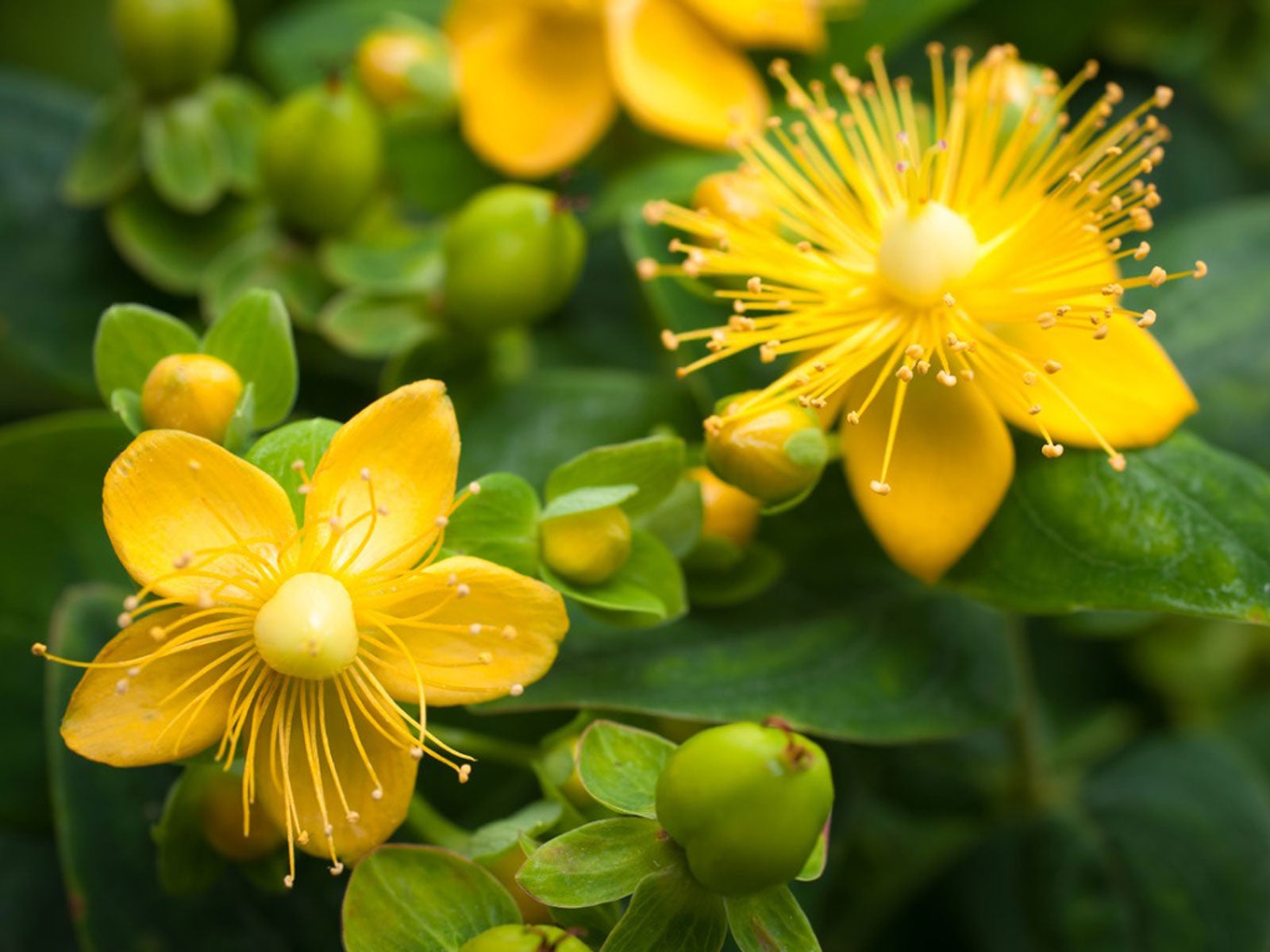
St. John's wort is traditionally used to soothe nerve-related ailments, including sciatica, neuralgia, and pains resulting from chemotherapy. It supports nerve functioning throughout the body, including the gastrointestinal tract, eyes, toes, teeth, and spine. The herb also strengthens the body's eliminative organs, particularly the liver, aiding in detoxification. St. John's wort has been historically used for its antibacterial and antiviral properties, making it effective in healing wounds, especially stubborn, septic ones like bedsores. Its antidepressant qualities have been researched extensively, showing its potential in mood improvement. However, there are contraindications: it might interfere with certain prescriptions, potentially reduce the effectiveness of estrogen-based birth control pills, and can increase photosensitivity. It's essential to consult a doctor before its consumption.
Medicinal Uses
St. John's wort is traditionally utilized for a variety of nerve-related conditions, including sciatica, spinal pain, neuralgia, and rheumatic discomforts. Recent studies have found it beneficial for neuralgia caused by chemotherapy, highlighting its potential in nerve pain management across the body, including the stomach, gastrointestinal tract, eyes, toes, teeth, and spine. It is used to enhance nerve function and strengthen areas of weakness.
Beyond its nerve-soothing capabilities, St. John's wort aids in detoxifying and fortifying the body's eliminative organs. It specifically targets the liver, promoting the removal of toxic substances, which are then expelled through the bladder, lungs, large intestine, and skin.
St. John's wort is also celebrated for its wound-healing properties, with a history of use in treating battlefield injuries. Its antibacterial and antiviral attributes make it suitable for managing septic wounds, including those that are difficult to heal, like bedsores.
The herb is well-known for its antidepressant effects, extensively researched for its ability to positively influence mood-related neurotransmitters. When combined with other nervine herbs such as passionflower, skullcap, or oatstraw, St. John's wort can contribute to a more relaxed, controlled, and uplifted emotional state.
However, there are important contraindications to consider. Despite not acting as a monoamine oxidase (MAO) inhibitor, St. John's wort can interact adversely with certain medications. It's crucial to consult a healthcare provider before starting St. John's wort, particularly for those on prescription drugs. It may also reduce the effectiveness of birth control pills containing estrogen by accelerating estrogen breakdown. Additionally, St. John's wort increases sensitivity to sunlight, necessitating precautions against excessive sun exposure.
Benefits
soothes nerves, detoxifies and strengthens organs, heals wounds, improves disposition
How to Use & Dosage
Use 1 or 2 teaspoons of the herb per cup, steep it for 10 to 12 minutes, and you can have 1 or 2 cups per day.
Take 1 dropperful, 3 times per day.
Apply small amounts of herbal oil to the affected area as needed, 1 to 3 times per day.
More Info
Frequently asked questions
What is St. John's Wort used for?
St. John's wort is traditionally utilized for a variety of nerve-related conditions, including sciatica, spinal pain, neuralgia, and rheumatic discomforts. Recent studies have found it beneficial for neuralgia caused by chemotherapy, highlighting its potential in nerve pain management across the body, including the stomach, gastrointestinal tract, eyes, toes, teeth, and spine.
What are the benefits of St. John's Wort?
soothes nerves, detoxifies and strengthens organs, heals wounds, improves disposition
How do you take St. John's Wort?
Common preparations include infusion, tincture, herbal oil. See the dosage guidance above, and consult a qualified practitioner for amounts suited to you.
This information is for general wellness and educational purposes only and is not medical advice. Consult a qualified healthcare provider before using any herb — especially if you are pregnant, nursing, or taking medication.
Learn more — more Digestive Health herbs