Shatavari
Asparagus racemosus · Asparagaceae
Reviewed by The Sarv Health Team · Updated June 29, 2026 · Our editorial process
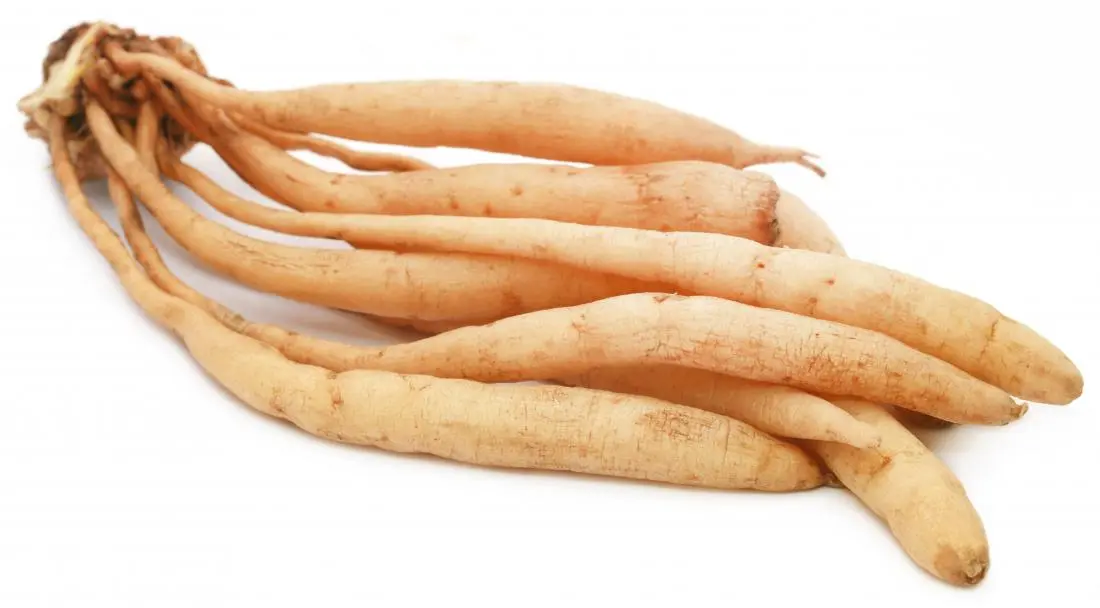
Shatavari is one of the most important female tonics in Ayurveda, its name often translated as she who possesses a hundred husbands, reflecting its reputation for supporting female vitality and fertility. Classified as sweet, bitter, and cooling, it is a nourishing, moistening rejuvenative used across a woman's life to support reproductive health, balance hormones, ease the transitions of menstruation and menopause, and promote healthy lactation in nursing mothers. Shatavari is also a soothing demulcent for the digestive tract, helping to calm hyperacidity, inflammation, and dryness, and it acts as a general adaptogenic tonic that nourishes the body, supports the immune system, and counters the effects of stress and depletion. Rich in steroidal saponins called shatavarins, it underpins these hormonal and tonic effects. Cooling and nourishing, shatavari is treasured as a rejuvenative tonic for women, fertility, digestion, and vitality.
Medicinal Uses
Shatavari is among the most revered herbs in Ayurveda, classically regarded as the principal rejuvenative tonic for women, although it benefits both sexes. Its name is often translated as she who possesses a hundred husbands, an allusion to its traditional role in supporting female reproductive vitality. It is classified as sweet, bitter, and cooling, and is nourishing and moistening in action.
The foremost medicinal use of shatavari is supporting female reproductive and hormonal health throughout life. It is traditionally used to support fertility, to nourish and tone the reproductive organs, to ease menstrual discomfort and irregularity, and to soften the transitions of menopause such as hot flashes and dryness. It is also a classic herb for promoting healthy breast milk production in nursing mothers.
Shatavari is equally valued as a soothing demulcent for the digestive system. Its moistening, cooling quality helps calm hyperacidity, heartburn, gastric irritation, and inflammation of the digestive tract, and it is used for dryness and irritation of the mucous membranes.
As a rasayana, or rejuvenative, shatavari also acts as a general nourishing tonic and adaptogen. It helps build strength and vitality, supports the immune system, and counters the effects of stress, overwork, and depletion, making it useful during convalescence.
Rich in steroidal saponins known as shatavarins, along with mucilage and isoflavones, shatavari has hormonal, soothing, and tonic effects that align with its traditional uses. Cooling and deeply nourishing, it is treasured as a rejuvenative tonic for women, fertility, digestion, and vitality.
Benefits
Supports female reproductive health, balances hormones, supports fertility, eases menstrual and menopausal symptoms, promotes healthy lactation, soothes the digestive tract, calms hyperacidity and inflammation, acts as a nourishing adaptogenic tonic, supports the immune system, builds strength and vitality
How to Use & Dosage
1/2 to 1 teaspoon (3-6 grams) of shatavari powder, taken 1-2 times daily, often with warm milk or honey.
500-1500 mg per day, divided into 1-2 doses.
2-4 ml (about 40-80 drops), taken 2-3 times daily.
Simmer 1-2 teaspoons of dried shatavari root in water or milk for 15-20 minutes. Drink 1-2 cups daily.
More Info
Frequently asked questions
What is Shatavari used for?
Shatavari is among the most revered herbs in Ayurveda, classically regarded as the principal rejuvenative tonic for women, although it benefits both sexes. Its name is often translated as she who possesses a hundred husbands, an allusion to its traditional role in supporting female reproductive vitality. It is classified as sweet, bitter, and cooling, and is nourishing and moistening in action.
What are the benefits of Shatavari?
Supports female reproductive health, balances hormones, supports fertility, eases menstrual and menopausal symptoms, promotes healthy lactation, soothes the digestive tract, calms hyperacidity and inflammation, acts as a nourishing adaptogenic tonic, supports the immune system, builds strength and vitality
How do you take Shatavari?
Common preparations include powder, capsules, tincture, decoction. See the dosage guidance above, and consult a qualified practitioner for amounts suited to you.
This information is for general wellness and educational purposes only and is not medical advice. Consult a qualified healthcare provider before using any herb — especially if you are pregnant, nursing, or taking medication.
Learn more — more Digestive Health herbs