Sage
Lamiaceae
Reviewed by The Sarv Health Team · Our editorial process
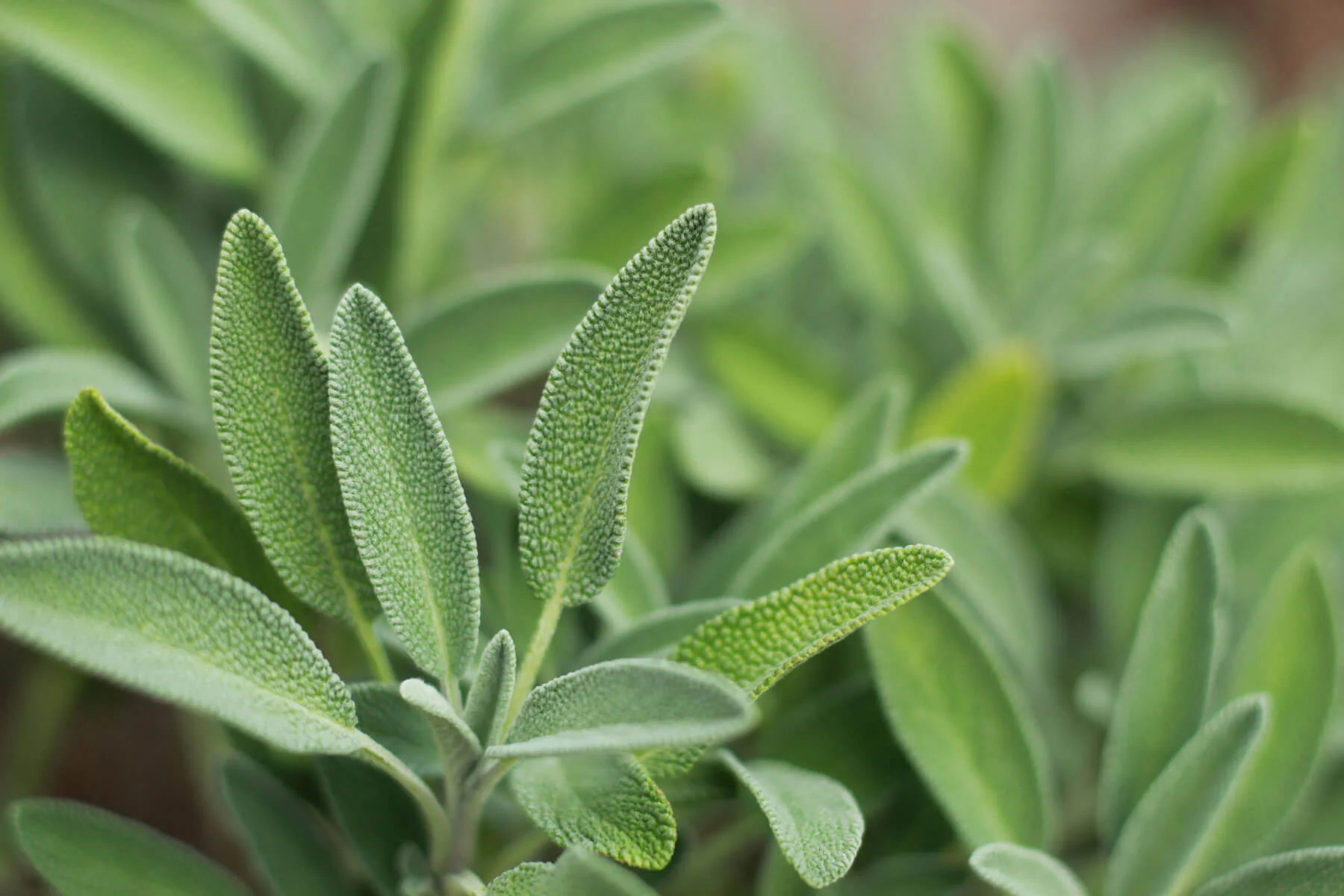
Sage is known for its ability to balance bodily fluids, addressing issues like menopausal night sweats, hot flashes, and other fluid-related conditions. It benefits tendon health and helps with digestive issues like gas and bloating. Sage is also used for oral problems, including mouth sores and gum disease. In specific cases, it has been employed to dissolve blood clots and reduce varicose veins. Moreover, sage can calm anxiety and is especially beneficial for those who overthink. However, it's advised for short-term use and should be avoided by those with epilepsy, as well as pregnant or breastfeeding women.
Medicinal Uses
Sage possesses a remarkable capacity to regulate bodily fluids, acting as an alterative by reducing excesses and supplementing deficiencies. Its astringent properties are particularly useful for controlling excessive sweating, such as in cases of menopausal night sweats or hot flashes. Conversely, sage can be consumed hot to induce sweating and release pent-up fluids in situations like fever or in individuals who struggle to perspire.
In traditional Chinese medicine, the health of the blood is linked to the condition of the tendons, and sage is often recommended for individuals with tendons that appear sinewy and dehydrated. In the digestive system, sage's astringent action helps reduce dampness, manifesting as gas, bloating, loose stools, and a lack of appetite.
Sage is also beneficial for oral health; when used internally or as a gargle, it can treat mouth sores, gum disease, and sore throats effectively.
Matthew Wood, a notable figure in herbal medicine, has documented sage's efficacy in dissolving blood clots without the risk of dislodgment, highlighting its significant cardiovascular benefits. Although there's less clinical evidence, sage's potential in treating conditions like hemorrhagic cysts or endometriosis, and its role as a heart tonic, are areas of interest.
Sage has a long-standing use as a remedy for anxiety, helping to soothe nervousness, anxiety, and tremors by promoting a sense of calm, particularly beneficial for those prone to overthinking.
However, it's important to note that sage is recommended for short-term use only unless part of a formulated blend. It is not advised for individuals with epilepsy and should be avoided during pregnancy and breastfeeding.
Benefits
balances bodily fluids, supports gum, mouth and throat, dissolves blood clots, calms anxiety
How to Use & Dosage
Steep 1 teaspoon in a cup for 8 to 10 minutes with the cup covered. Consume 3 cups per day.
Take 1 dropperful, 1 to 3 times per day.
Apply 1 to 3 drops, diluted with 1 ounce of a carrier oil, as needed to the abdomen, chest, or affected area.
More Info
Frequently asked questions
What is Sage used for?
Sage possesses a remarkable capacity to regulate bodily fluids, acting as an alterative by reducing excesses and supplementing deficiencies. Its astringent properties are particularly useful for controlling excessive sweating, such as in cases of menopausal night sweats or hot flashes. Conversely, sage can be consumed hot to induce sweating and release pent-up fluids in situations like fever or in individuals who struggle to perspire.
What are the benefits of Sage?
balances bodily fluids, supports gum, mouth and throat, dissolves blood clots, calms anxiety
How do you take Sage?
Common preparations include infusion, tincture, essential oil. See the dosage guidance above, and consult a qualified practitioner for amounts suited to you.
This information is for general wellness and educational purposes only and is not medical advice. Consult a qualified healthcare provider before using any herb — especially if you are pregnant, nursing, or taking medication.
Learn more — more Digestive Health herbs