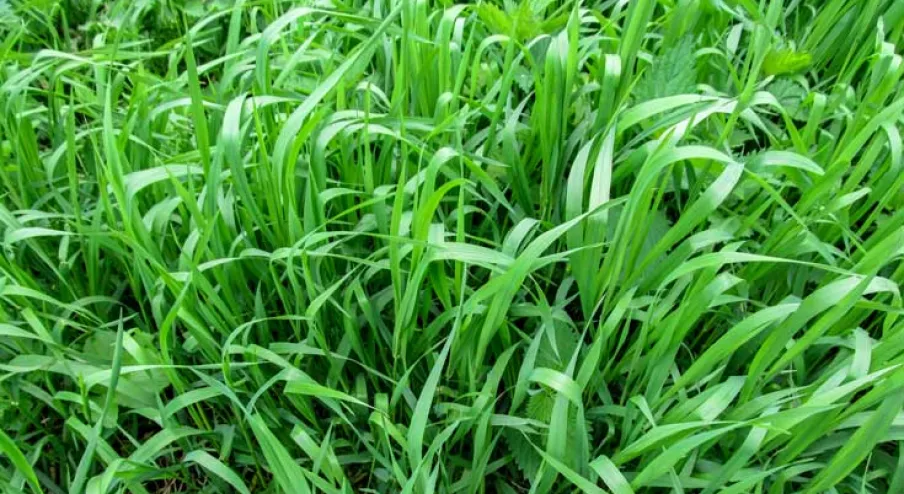
Licorice
Papilionaceae
Reviewed by The Sarv Health Team · Our editorial process

Licorice is recognized for its ability to soothe mucous membranes throughout the body, including the nasal passages, throat, lungs, stomach, and gastrointestinal tract. It helps in relaxing spasms caused by coughs or gastrointestinal disturbances. The herb also stimulates the adrenal glands, aiding in cortisol production to regulate blood sugar and reduce stress and inflammation. However, those with adrenal fatigue should avoid licorice, as it might overstimulate an already exhausted gland. It's not recommended for individuals with high blood pressure.
Medicinal Uses
Licorice is renowned for its ability to soothe mucous membranes throughout the body, making it highly effective for easing irritation in the nasal passageways, throat, lungs, stomach, and gastrointestinal tract. Its soothing properties help to soften, lubricate, and nourish the intestinal lining, and it's particularly beneficial for calming spasms associated with coughs or gastrointestinal discomfort.
Additionally, licorice has been shown to have a positive impact on adrenal gland function. The adrenal glands play a crucial role in secreting cortisol, a hormone essential for balancing blood sugar levels and reducing stress and inflammation. By enhancing adrenal function and cortisol production, licorice can help maintain these vital bodily processes. However, it's important to note that in cases of adrenal fatigue, where the adrenal glands are overworked, licorice may not be advisable. In such situations, licorice can overstimulate the already exhausted glands, potentially leading to heightened sensations of restlessness, akin to consuming excessive caffeine.
Despite its benefits, licorice comes with contraindications, particularly for individuals with high blood pressure. Due to its potential to affect blood pressure levels, those with hypertension should avoid consuming licorice. As with any herbal remedy, it's essential to consult with a healthcare provider before incorporating licorice into your health regimen, especially for those with pre-existing health conditions or concerns.
Benefits
soothes mucus membranes, stimulates the adrenal glands
How to Use & Dosage
Consume 1 teaspoon of syrup 3 to 5 times per day.
Use 1 teaspoon of herb per cup, steep for 10 to 15 minutes, and drink 1 to 3 cups per day.
Take 1 dropperful of tincture 1 to 3 times per day.
Take 1 teaspoon of herb per cup, simmer for 8 minutes covered, and drink 1 to 3 cups per day.
More Info
Frequently asked questions
What is Licorice used for?
Licorice is renowned for its ability to soothe mucous membranes throughout the body, making it highly effective for easing irritation in the nasal passageways, throat, lungs, stomach, and gastrointestinal tract. Its soothing properties help to soften, lubricate, and nourish the intestinal lining, and it's particularly beneficial for calming spasms associated with coughs or gastrointestinal discomfort. Additionally, licorice has been shown to have a positive impact on adrenal gland function.
What are the benefits of Licorice?
soothes mucus membranes, stimulates the adrenal glands
How do you take Licorice?
Common preparations include syrup, infusion, tincture, decoction. See the dosage guidance above, and consult a qualified practitioner for amounts suited to you.
This information is for general wellness and educational purposes only and is not medical advice. Consult a qualified healthcare provider before using any herb — especially if you are pregnant, nursing, or taking medication.
Learn more — more Digestive Health herbs