Lemon balm
Lamiaceae
Reviewed by The Sarv Health Team · Our editorial process
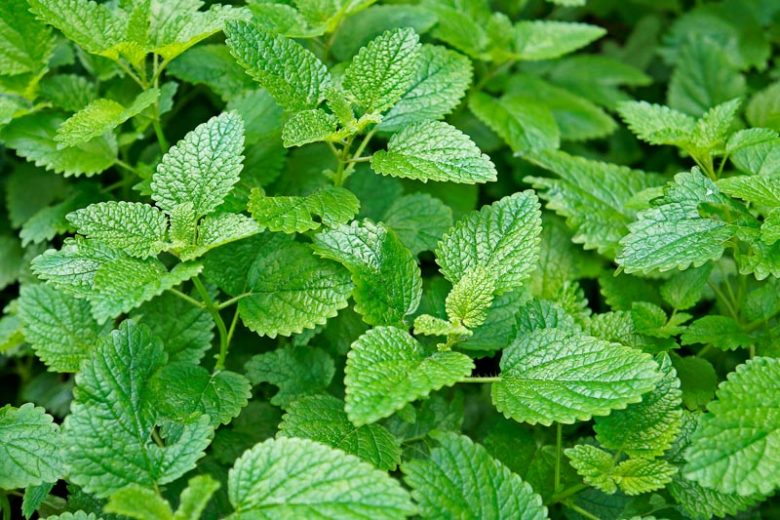
Lemon balm is renowned for its calming effects on the nerves and is beneficial for those with overstimulated minds and bodies. It addresses conditions such as hyperthyroidism, hyperadrenalism, heart palpitations, high blood pressure, and rapid thinking. The herb can help reduce fevers, especially those induced by stress, and possesses antiviral properties against viruses like herpes simplex and HIV-1. However, there's caution regarding its use for individuals with potential hypothyroidism due to its influence on thyroid stimulation hormone levels.
Medicinal Uses
Lemon balm, with its gentle and soothing properties, is renowned for its ability to calm the nerves and spirit. Historically celebrated and used in remedies like the "Spirit of Melissa" tonic, lemon balm, a member of the mint family, is particularly effective in alleviating an overstimulated mind and body. It's an ideal herb for individuals with a constantly active lifestyle, offering a natural means to achieve relaxation.
Beyond its calming effects, lemon balm is also beneficial for managing overactive bodily conditions such as hyperthyroidism and hyperadrenalism, addressing symptoms like heart palpitations, high blood pressure, manic thinking, and shortness of breath by helping to restore balance to the body's systems.
Lemon balm's mild diaphoretic properties make it useful in reducing fevers, especially those induced by stress or present in children. By promoting gentle perspiration and relaxation, it helps in cooling the body and alleviating fever-related discomfort.
Additionally, lemon balm possesses antiviral capabilities, proven to diminish the infectivity of various viruses, including herpes simplex virus (HSV) and HIV-1. These antiviral effects are attributed to components like caffeic acid, its derivatives, and tannins present in the herb.
However, caution is advised for individuals with a predisposition to hypothyroidism, as lemon balm can influence thyroid-stimulating hormone (TSH) levels. Despite this, some experts, like James Duke, suggest that lemon balm may actually help normalize thyroid hormone levels, whether they are high or low, highlighting the complexity of herbal interactions with the body's endocrine system. As with any herbal remedy, it's important to consult with a healthcare provider, especially for those with specific health conditions or concerns.
Benefits
calms the nerves, helps reduce fevers, antiviral
How to Use & Dosage
Use 1 teaspoon of herb per cup, steep for 6 to 8 minutes, and drink 1 to 3 cups per day or as needed.
Take 1 to 10 drops or 1 dropperful of tincture 1 to 3 times per day.
Apply 1 teaspoon of herbal oil 1 or 2 times per day.
More Info
Frequently asked questions
What is Lemon balm used for?
Lemon balm, with its gentle and soothing properties, is renowned for its ability to calm the nerves and spirit. Historically celebrated and used in remedies like the "Spirit of Melissa" tonic, lemon balm, a member of the mint family, is particularly effective in alleviating an overstimulated mind and body. It's an ideal herb for individuals with a constantly active lifestyle, offering a natural means to achieve relaxation.
What are the benefits of Lemon balm?
calms the nerves, helps reduce fevers, antiviral
How do you take Lemon balm?
Common preparations include infusion, tincture, herbal oil. See the dosage guidance above, and consult a qualified practitioner for amounts suited to you.
This information is for general wellness and educational purposes only and is not medical advice. Consult a qualified healthcare provider before using any herb — especially if you are pregnant, nursing, or taking medication.
Learn more — more Digestive Health herbs