Horehound
Lamiaceae
Reviewed by The Sarv Health Team · Our editorial process
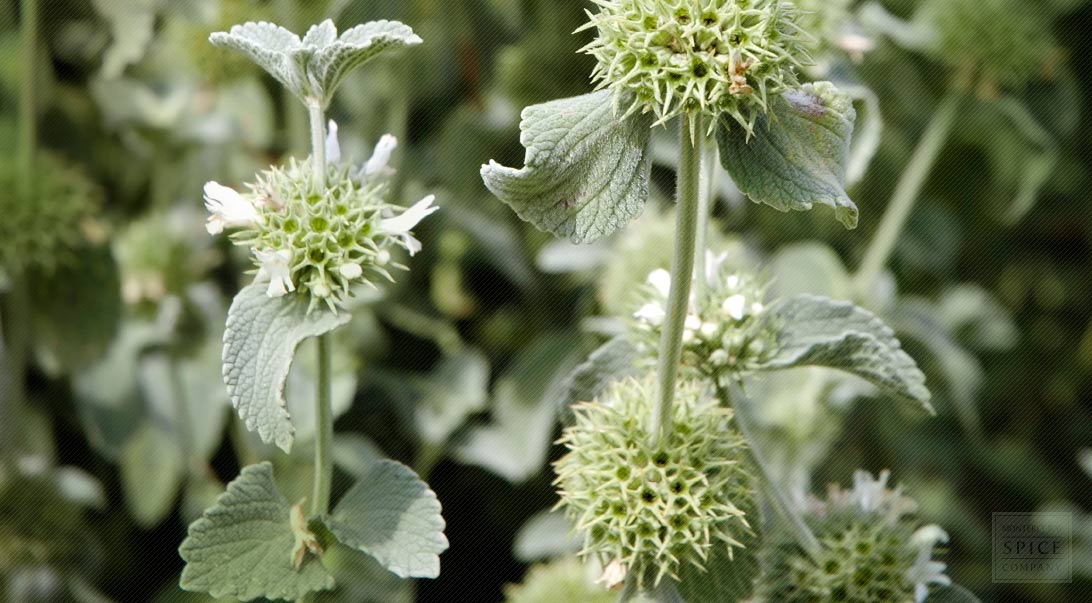
Horehound has been valued by singers and performers for its ability to soothe strained vocal cords and sore throats. Even though the FDA banned its use in cough lozenges in 1986 due to insufficient efficacy evidence, it remains a primary ingredient in many European cough lozenges. Horehound can be consumed in various forms, such as tea, tincture, syrup, or homemade lozenges. Historically, it's been considered effective in expelling phlegm and addressing respiratory infections. A 2006 study found that horehound might inhibit colorectal cancer cell growth and promote apoptosis. However, prolonged use can lead to hypertension, and high doses can induce vomiting.
Medicinal Uses
Horehound has been historically valued by singers and performers for its ability to soothe strained vocal cords and alleviate throat discomfort, enabling them to continue with their performances. Despite the FDA's 1986 decision to ban horehound in commercially produced cough lozenges in the US due to a lack of evidence regarding its effectiveness, it remains a key ingredient in many cough lozenges across Europe. In the US, horehound-based products are still accessible, either as European imports or marketed as candy, allowing individuals to benefit from its throat-soothing properties. Horehound can also be consumed in various forms such as tea, tincture, syrup, or homemade lozenges.
Nicholas Culpepper, a 17th-century herbalist, highlighted horehound's efficacy in breaking down and expelling stubborn phlegm from the chest. Horehound exemplifies the synergistic effect of a plant's constituents in promoting health, particularly in cases of lower respiratory infections characterized by cough, congestion, and fever. Its bitters stimulate secretions to thin and dissolve thick phlegm, facilitating its elimination while boosting the immune response against pathogens. Additionally, its diaphoretic properties promote sweating, aiding in fever reduction, and its tannins help tone and restore the affected tissues.
In a study conducted in January 2006, researchers investigated horehound's impact on colorectal cancer cells. Given its traditional use for anti-inflammatory conditions like colds, fevers, and sore throats, the study aimed to explore its effects on other cell lines. The findings suggested that horehound not only inhibited the growth of human colorectal cancer cells but also appeared to promote apoptosis, or programmed cell death, in these cells.
However, caution is advised with prolonged or excessive use of horehound, as it may lead to hypertension and, in large doses, cause vomiting. It's important to use horehound judiciously and consult with a healthcare provider, especially when considering it for therapeutic purposes beyond traditional uses.
Benefits
soothes cough and sore throats, helps expel phlegm, contributes to cancerous cell death
How to Use & Dosage
- Take 1/2 to 1 teaspoon.
- Use 1 to 4 times per day.
- Use 1 or 2 teaspoons per cup.
- Steep for 10 to 12 minutes.
- Drink 1 to 3 cups per day.
- Take 10 to 30 drops.
- Use 1 to 3 times per day.
Use as needed to soothe throat irritation.
More Info
Frequently asked questions
What is Horehound used for?
Horehound has been historically valued by singers and performers for its ability to soothe strained vocal cords and alleviate throat discomfort, enabling them to continue with their performances. Despite the FDA's 1986 decision to ban horehound in commercially produced cough lozenges in the US due to a lack of evidence regarding its effectiveness, it remains a key ingredient in many cough lozenges across Europe. In the US, horehound-based products are still accessible, either as European imports or marketed as candy, allowing individuals to benefit from its throat-soothing properties.
What are the benefits of Horehound?
soothes cough and sore throats, helps expel phlegm, contributes to cancerous cell death
How do you take Horehound?
Common preparations include syrup, infusion, tincture, lozenge (for throat irritation). See the dosage guidance above, and consult a qualified practitioner for amounts suited to you.
This information is for general wellness and educational purposes only and is not medical advice. Consult a qualified healthcare provider before using any herb — especially if you are pregnant, nursing, or taking medication.
Learn more — more Digestive Health herbs