Haritaki
Terminalia chebula · Combretaceae
Reviewed by The Sarv Health Team · Updated June 29, 2026 · Our editorial process
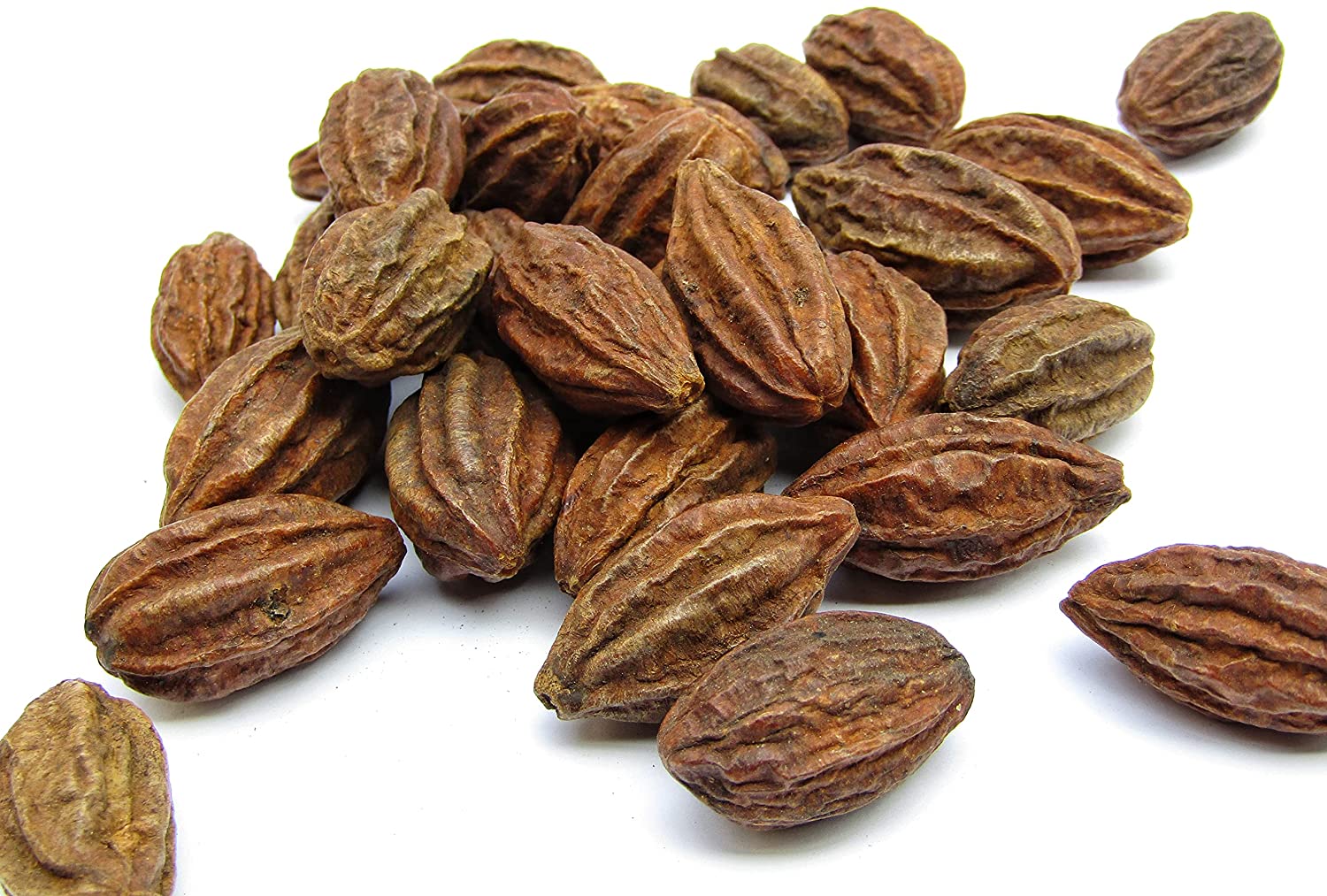
Haritaki is one of the most revered herbs in both Ayurveda and Tibetan medicine, where it is honored as the king of medicines and depicted in the hand of the Medicine Buddha. A key ingredient in the formula triphala, it is classified as a gentle, warming rejuvenative used above all to support healthy digestion and elimination, relieving constipation, bloating, and sluggish digestion while toning rather than depleting the bowels. It is considered a tridoshic rasayana that cleanses, detoxifies, and rejuvenates the whole body, supporting longevity and vitality. Haritaki is also valued for sharpening the mind, supporting the lungs and voice, and providing antioxidant and antimicrobial benefits. Rich in tannins and chebulic acids, it offers astringent, cleansing, and protective effects. Grounding and rejuvenating, haritaki is treasured as a tonic for digestion, detoxification, and overall longevity.
Medicinal Uses
Haritaki holds a place of unique honor in both Ayurveda and Tibetan medicine. In Tibetan healing it is regarded as the king of medicines and is famously shown in the hand of the Medicine Buddha, while in Ayurveda it is one of the three fruits of the celebrated formula triphala. It is classified as a gentle, warming rejuvenative with a predominantly astringent taste.
The foremost medicinal use of haritaki is supporting healthy digestion and elimination. It is traditionally used to relieve constipation, bloating, gas, and sluggish digestion, and is prized for regulating and toning the bowels rather than acting as a harsh purgative. Used regularly, it helps maintain regular, complete elimination and a healthy digestive tract.
Haritaki is also a classic detoxifying rejuvenative, or rasayana. It is considered tridoshic, balancing all three doshas, and is used to cleanse accumulated toxins (ama), support the absorption of nutrients, and rejuvenate the tissues, all of which are seen as foundations for longevity and vitality.
The herb has additional traditional uses for the mind and lungs. It is regarded as supportive of mental clarity and a calm, focused mind, and is used for coughs, sore throat, hoarse voice, and respiratory congestion.
Rich in tannins, chebulic and chebulagic acids, and other polyphenols, haritaki provides astringent, antioxidant, and antimicrobial effects that support its cleansing and protective actions. Grounding and rejuvenating, haritaki is treasured as a tonic for digestion, gentle detoxification, and overall longevity.
Benefits
Supports healthy digestion, relieves constipation and bloating, tones the bowels, cleanses and detoxifies the body, supports nutrient absorption, rejuvenates the tissues, sharpens mental clarity, supports the lungs and voice, provides antioxidant and antimicrobial effects, promotes longevity
How to Use & Dosage
1/2 to 1 teaspoon (3-6 grams) of haritaki powder, taken once daily, often in warm water before bed.
500-1500 mg per day, divided into 1-2 doses.
2-4 ml (about 40-80 drops), taken 2-3 times daily.
Simmer 1-2 teaspoons of dried haritaki fruit in water for 15-20 minutes. Drink 1 cup daily.
More Info
Frequently asked questions
What is Haritaki used for?
Haritaki holds a place of unique honor in both Ayurveda and Tibetan medicine. In Tibetan healing it is regarded as the king of medicines and is famously shown in the hand of the Medicine Buddha, while in Ayurveda it is one of the three fruits of the celebrated formula triphala. It is classified as a gentle, warming rejuvenative with a predominantly astringent taste.
What are the benefits of Haritaki?
Supports healthy digestion, relieves constipation and bloating, tones the bowels, cleanses and detoxifies the body, supports nutrient absorption, rejuvenates the tissues, sharpens mental clarity, supports the lungs and voice, provides antioxidant and antimicrobial effects, promotes longevity
How do you take Haritaki?
Common preparations include powder, capsules, tincture, decoction. See the dosage guidance above, and consult a qualified practitioner for amounts suited to you.
This information is for general wellness and educational purposes only and is not medical advice. Consult a qualified healthcare provider before using any herb — especially if you are pregnant, nursing, or taking medication.
Learn more — more Digestive Health herbs