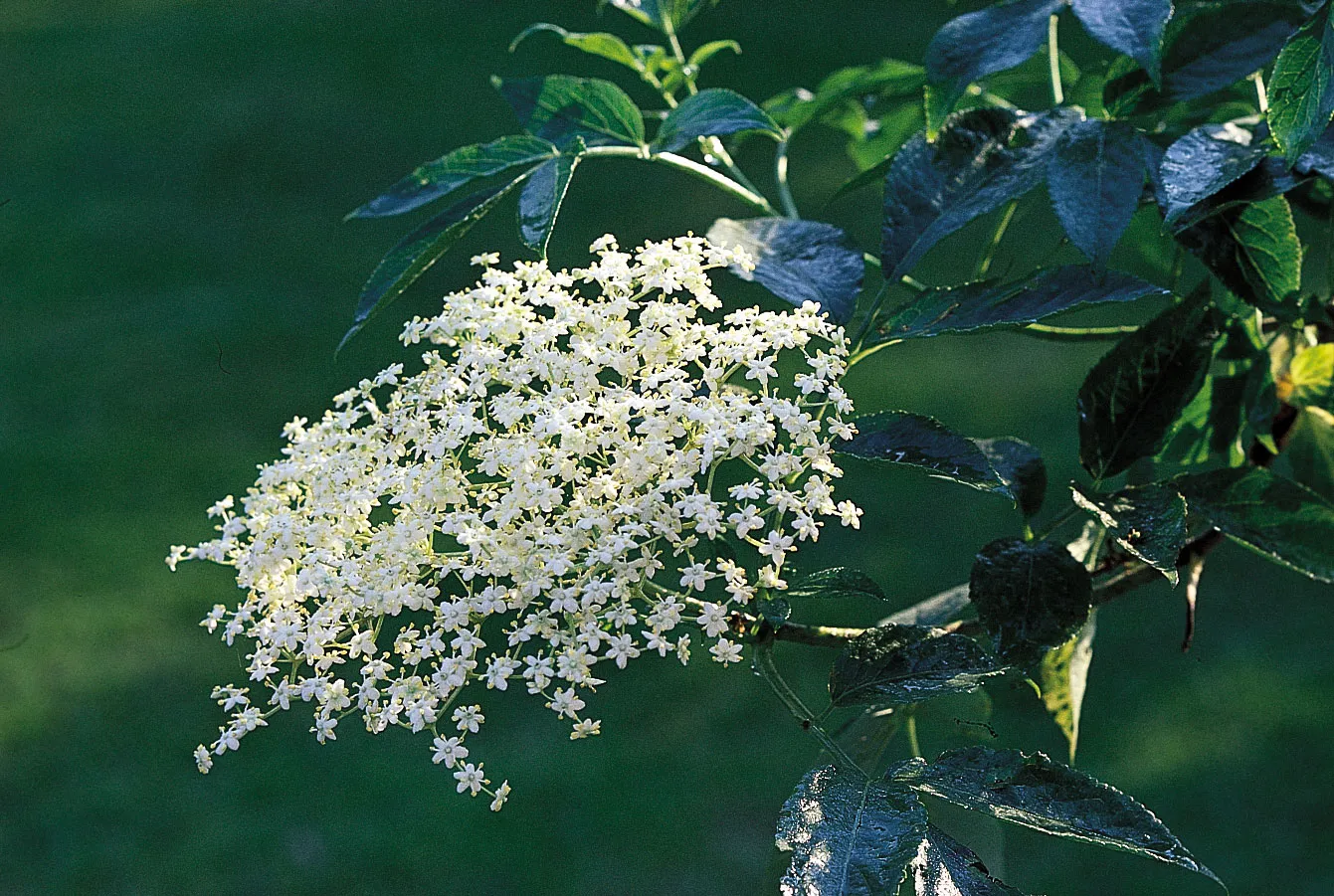
Elecampane
Asteraceae
Reviewed by The Sarv Health Team · Our editorial process
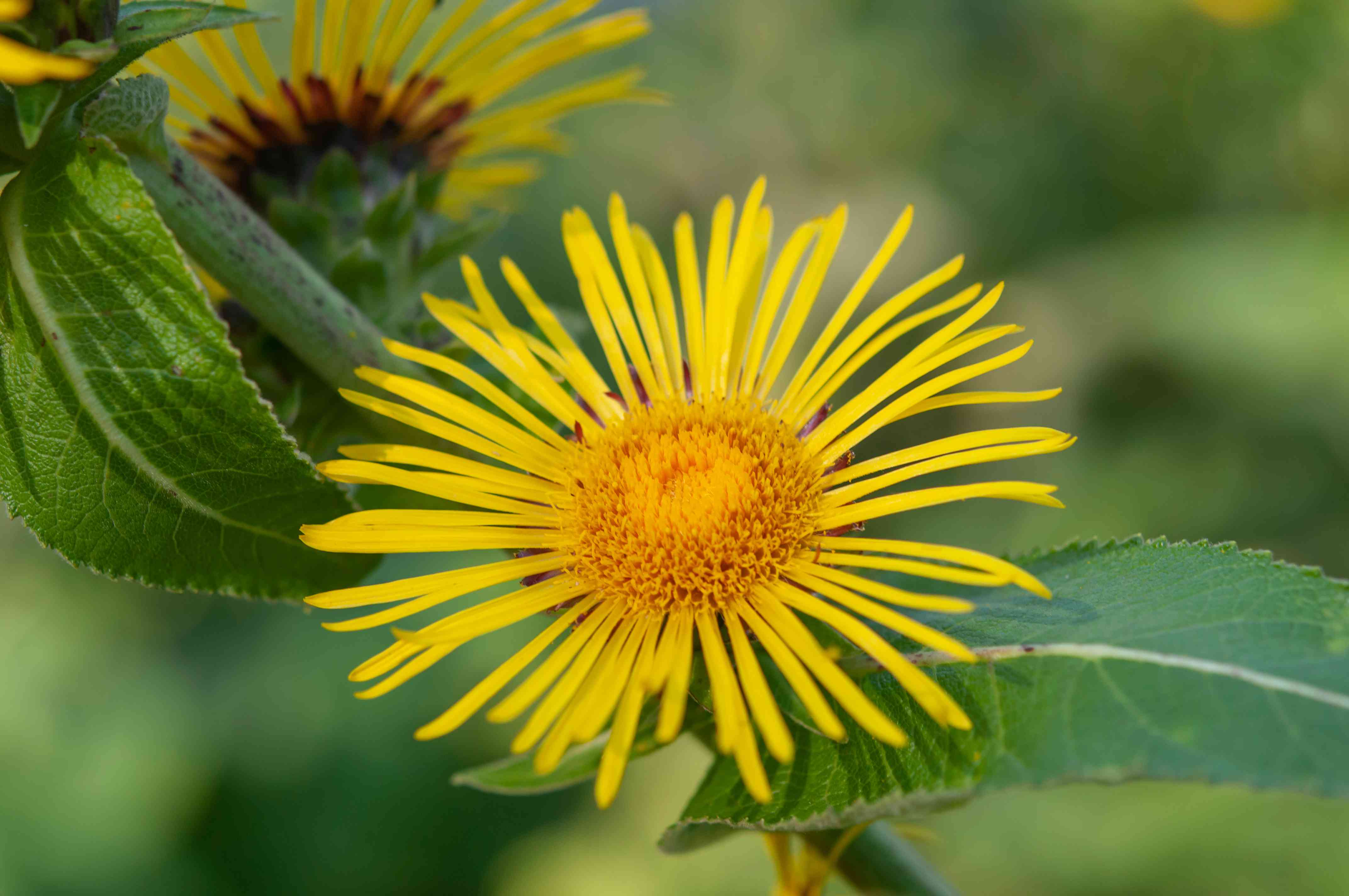
Elecampane is highly regarded for its effectiveness in rehabilitating lungs, especially after long periods of smoking or illness, as it helps eliminate deep-seated mucus. It has proven beneficial for those exposed to harmful chemicals like chlorine and is recommended for children with asthma. Additionally, elecampane aids in detoxifying the liver and bowels, dissolving hardened mucus, improving skin conditions, and balancing hormones. It also supports the lymphatic system, emphasizing the importance of a healthy gut lining where a significant portion of the immune system resides. However, it's advised not to be taken during pregnancy.
Medicinal Uses
Elecampane is highly regarded for its ability to rehabilitate the lungs, particularly after prolonged periods of smoking, illness, or chronic respiratory conditions. It is especially effective in mobilizing and expelling old, stubborn mucus from the pulmonary system. Initially, its use may intensify coughing and mucus production, but this is a sign that the herb is reaching and clearing deeply lodged mucus, facilitating its removal from the body.
Elecampane's efficacy was notably observed in industrial settings, such as near a paper manufacturing plant where workers were exposed to chlorine, leading to respiratory issues. It has been a go-to remedy for such conditions, earning high praise for its lung-healing properties. It's also recommended for children suffering from asthma, showcasing its gentle yet effective nature.
Beyond respiratory support, elecampane contributes to liver and bowel health due to its content of sodium phosphate and potassium chloride, aiding in the dissolution of hardened mucus and promoting a gentle detoxification process. This cleansing action extends to the skin and hormonal balance, highlighting elecampane's holistic benefits.
Additionally, elecampane is thought to bolster the lymphatic system and gut health by eliminating toxins and harmful bacterial colonies. Given that a significant portion of the immune system is located in the gut lining, maintaining its health is crucial, and elecampane is recognized for its ability to support this aspect of immune function, including reducing chronic swollen cervical glands.
However, elecampane should not be used during pregnancy, as it may have contraindications in this condition.
Benefits
rehabilitates lungs, cleans the liver and bowls, supports the lymph system
How to Use & Dosage
- For steam inhalation, use 1 ounce per quart of water in a stockpot.
- Simmer until hot, then remove from the stove.
- Cover the pot with a towel, and when ready and not too hot, inhale slowly and deeply for 5 to 10 minutes.
- Take 1 teaspoon, 1 to 3 times per day.
- Take 30 drops, 3 to 4 times per day.
- To make a decoction, use 1 tablespoon per cup.
- Simmer it for 10 to 15 minutes covered.
- You can have 3 cups of this decoction per day.
More Info
Frequently asked questions
What is Elecampane used for?
Elecampane is highly regarded for its ability to rehabilitate the lungs, particularly after prolonged periods of smoking, illness, or chronic respiratory conditions. It is especially effective in mobilizing and expelling old, stubborn mucus from the pulmonary system. Initially, its use may intensify coughing and mucus production, but this is a sign that the herb is reaching and clearing deeply lodged mucus, facilitating its removal from the body.
What are the benefits of Elecampane?
rehabilitates lungs, cleans the liver and bowls, supports the lymph system
How do you take Elecampane?
Common preparations include steam, syrup, tincture, decoction. See the dosage guidance above, and consult a qualified practitioner for amounts suited to you.
This information is for general wellness and educational purposes only and is not medical advice. Consult a qualified healthcare provider before using any herb — especially if you are pregnant, nursing, or taking medication.
Learn more — more Digestive Health herbs