Cinnamon
Cinnamomum verum (Cinnamomum cassia) · Lauraceae
Reviewed by The Sarv Health Team · Updated June 29, 2026 · Our editorial process
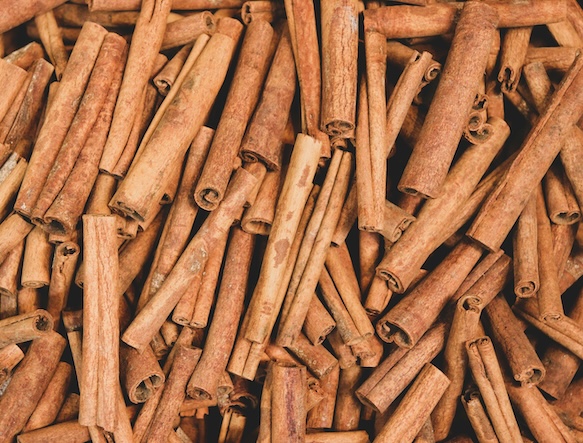
Cinnamon is the fragrant inner bark of several evergreen trees, prized for thousands of years as both a treasured spice and a warming medicine across Ayurvedic, Chinese, and Western traditions. Classified as sweet, pungent, and warming, it is one of the great warming remedies, traditionally used to improve circulation, warm cold hands and feet, and dispel internal cold. Cinnamon is also a renowned digestive aid, used to relieve nausea, gas, bloating, and sluggish digestion, and to settle the stomach. Today it is especially valued for supporting healthy blood sugar and insulin sensitivity, making it of interest for metabolic health. It additionally offers antimicrobial, anti-inflammatory, and antioxidant benefits and is used to ease colds and support the body during winter illness. Its key compound, cinnamaldehyde, underlies its warming and protective effects. Warming and comforting, cinnamon is treasured as a remedy for circulation, digestion, blood sugar, and warmth.
Medicinal Uses
Cinnamon is the aromatic inner bark of several species of evergreen tree, and it has been treasured for millennia as both a luxury spice and a warming medicine in Ayurvedic, Chinese, and Western herbal traditions. True (Ceylon) cinnamon and the closely related cassia are both used; both are classified as sweet, pungent, and warming.
A foremost medicinal use of cinnamon is as a warming circulatory stimulant. It is traditionally used to improve blood flow, warm the body, relieve cold hands and feet, and dispel internal cold and the aches and sluggishness associated with cold, damp conditions. In Chinese medicine, cassia bark is an important herb for warming and supporting the body's vital warmth.
Cinnamon is also a classic digestive remedy. Its warming, carminative action helps relieve nausea, gas, bloating, indigestion, and cramping, settle an upset stomach, and stimulate sluggish digestion, and it is often added to food and tea for this purpose.
In modern use, cinnamon is especially valued for supporting healthy blood sugar. It is widely used to help maintain healthy blood glucose and improve insulin sensitivity, making it a popular supportive spice for metabolic health.
The spice further offers antimicrobial, anti-inflammatory, and antioxidant benefits, and is traditionally used to ease colds, warming chills and supporting the body during winter illness.
Cinnamon's effects are attributed largely to cinnamaldehyde and its volatile oils, along with proanthocyanidins and other polyphenols. Warming and comforting, cinnamon is treasured as a remedy for circulation, digestion, blood sugar, and warmth.
Benefits
Improves circulation, warms the body, relieves cold hands and feet, aids digestion, relieves nausea, gas, and bloating, settles the stomach, supports healthy blood sugar and insulin sensitivity, eases colds and chills, provides antimicrobial, anti-inflammatory, and antioxidant effects
How to Use & Dosage
1/4 to 1 teaspoon (1-3 grams) of cinnamon powder daily, in food or drinks.
Steep 1/2 to 1 teaspoon of cinnamon bark or powder in hot water for 10-15 minutes. Drink 1-3 cups daily.
2-4 ml (about 40-80 drops), taken 2-3 times daily.
Simmer a cinnamon stick in water or milk for 10-15 minutes. Drink 1-2 cups daily.
More Info
Frequently asked questions
What is Cinnamon used for?
Cinnamon is the aromatic inner bark of several species of evergreen tree, and it has been treasured for millennia as both a luxury spice and a warming medicine in Ayurvedic, Chinese, and Western herbal traditions. True (Ceylon) cinnamon and the closely related cassia are both used; both are classified as sweet, pungent, and warming. A foremost medicinal use of cinnamon is as a warming circulatory stimulant.
What are the benefits of Cinnamon?
Improves circulation, warms the body, relieves cold hands and feet, aids digestion, relieves nausea, gas, and bloating, settles the stomach, supports healthy blood sugar and insulin sensitivity, eases colds and chills, provides antimicrobial, anti-inflammatory, and antioxidant effects
How do you take Cinnamon?
Common preparations include powder, infusion, tincture, decoction. See the dosage guidance above, and consult a qualified practitioner for amounts suited to you.
This information is for general wellness and educational purposes only and is not medical advice. Consult a qualified healthcare provider before using any herb — especially if you are pregnant, nursing, or taking medication.
Learn more — more Digestive Health herbs