Chaparral
Zygophyllaceae
Reviewed by The Sarv Health Team · Our editorial process
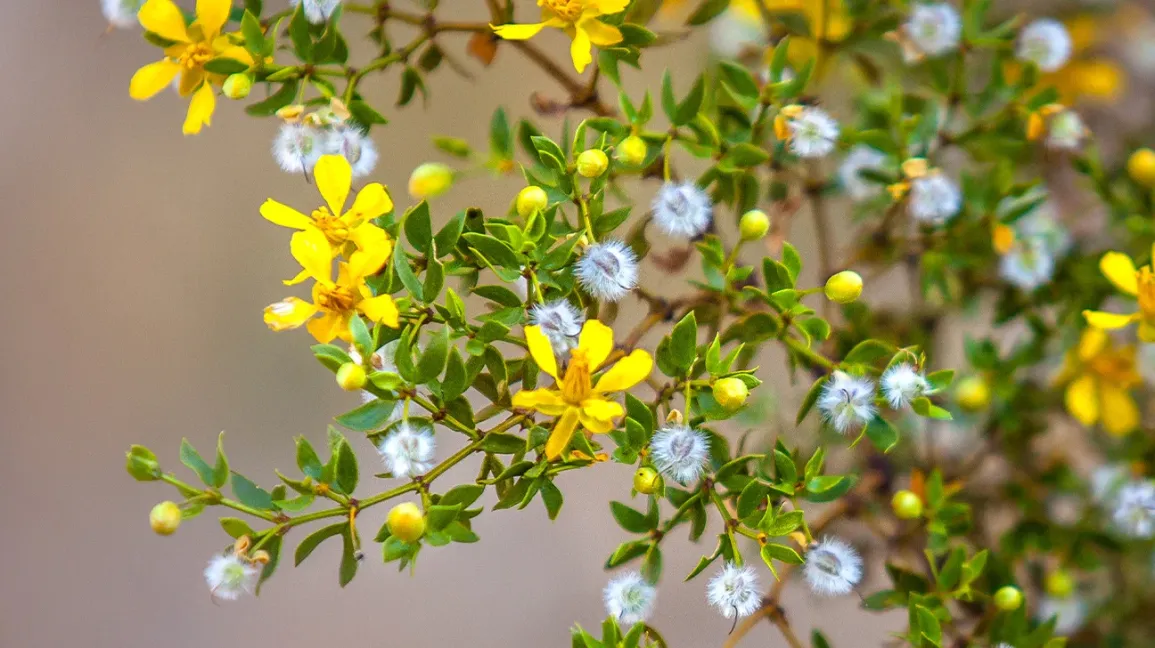
Chaparral is an herbal remedy known for detoxifying the liver and body, reducing inflammation in the gastrointestinal and respiratory systems, and supporting the lymphatic system by dissolving toxins. It aids in rebuilding tissue, making it beneficial for arthritis, especially when damage results from overuse or chronic inflammation. Chaparral also tones the bladder and kidneys, especially during detox processes. Externally, it is effective for healing wounds, including hemorrhoids, boils, bedsores, and bruises. Furthermore, it has been used to treat tumors and growths. However, large doses can induce vomiting, and those with liver disease should avoid it.
Medicinal Uses
Chaparral has a longstanding history as a detoxifying agent, particularly beneficial for the liver and overall bodily purification. The plant's oils are known to reduce inflammation in the gastrointestinal and respiratory systems. Its cleansing action extends throughout the body, helping to eliminate dense, accumulated residues, which, in turn, aids the lymphatic system in dissolving toxins.
Additionally, chaparral functions as an astringent, promoting the repair of damaged tissues. This property, combined with its anti-inflammatory effects, makes it a recommended remedy for arthritis, where tissue damage results from overuse, autoimmune responses, or prolonged inflammation.
The herb also supports the urinary system, particularly the bladder and kidneys, which face increased demands during detoxification processes. Chaparral's astringent qualities help fortify these organs under stress.
For external ailments such as hemorrhoids, boils, bedsores, bruises, or wounds, chaparral can be applied topically through fomentations to alleviate pain and accelerate healing. It has also been traditionally used to address tumors and growths.
However, caution is advised with chaparral use. Large internal doses can induce vomiting, and individuals with liver conditions should avoid chaparral due to potential adverse effects on liver health.
Benefits
detoxifies the body, rebuilds damaged tissues, tones bladder and kidneys, helps heal wounds
How to Use & Dosage
- For a douche, use 1 tablespoon of the infusion per cup of water.
- To prepare an infusion, use 1/2 to 1 teaspoon per cup of water.
- Steep it for 10 minutes.
- Consume 1 or 2 cups of this infusion per day.
- For a tincture, take 1 dropperful.
- You can repeat this 3 times per day.
- For a sitz bath or fomentation, use 3 tablespoons per pint of water.
- Steep it for 1 hour.
More Info
Frequently asked questions
What is Chaparral used for?
Chaparral has a longstanding history as a detoxifying agent, particularly beneficial for the liver and overall bodily purification. The plant's oils are known to reduce inflammation in the gastrointestinal and respiratory systems. Its cleansing action extends throughout the body, helping to eliminate dense, accumulated residues, which, in turn, aids the lymphatic system in dissolving toxins.
What are the benefits of Chaparral?
detoxifies the body, rebuilds damaged tissues, tones bladder and kidneys, helps heal wounds
How do you take Chaparral?
Common preparations include douche, infusion, tincture, sitz bath or fomentation. See the dosage guidance above, and consult a qualified practitioner for amounts suited to you.
This information is for general wellness and educational purposes only and is not medical advice. Consult a qualified healthcare provider before using any herb — especially if you are pregnant, nursing, or taking medication.
Learn more — more Digestive Health herbs