Calamus
Acoraceae
Reviewed by The Sarv Health Team · Our editorial process
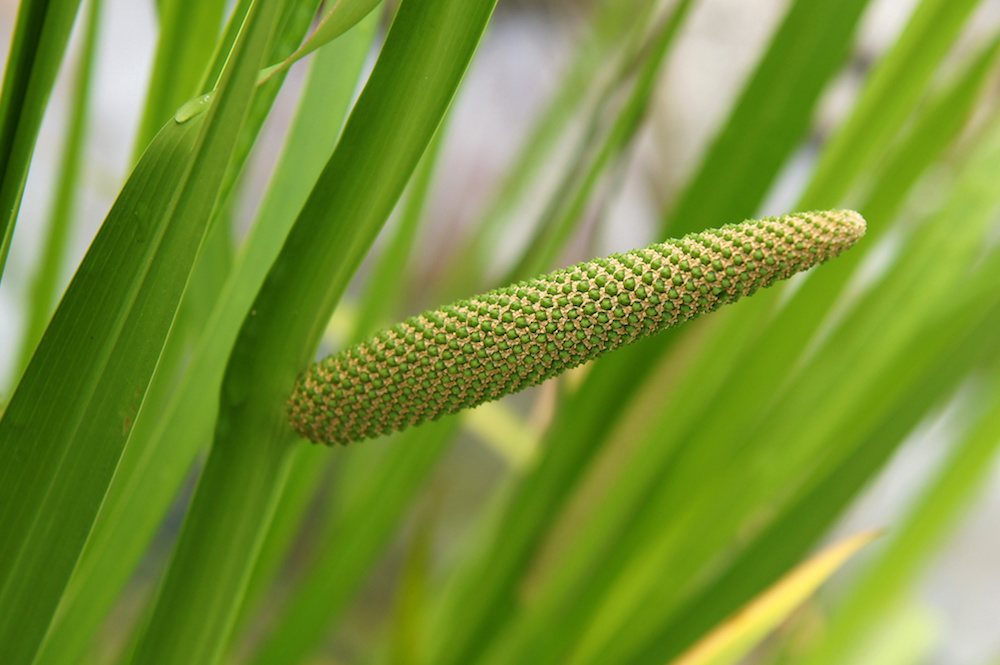
Calamus rhizome is traditionally used to restore the throat and voice, especially among singers. In Chinese medicine, a related species is known to improve cognitive function by removing stagnant phlegm and has been used for head trauma patients to reduce cognitive fogginess. While there's no research on calamus and dementia, it might be worth exploring. Calamus also supports the gastrointestinal tract, being particularly effective for flatulence, digestive complaints, and a condition called water brash. However, very high doses can lead to hallucinogenic effects.
Medicinal Uses
Calamus rhizome, with its trachea-resembling appearance, has traditionally been favored by singers and performers to restore the throat and voice, drawing on the doctrine of signatures which suggests that herbs resemble the body parts they are effective in treating.
In terms of cognitive enhancement, the related species Acorus gramineus is recognized in Chinese medicine for its ability to clear the mind and improve cognitive function by eliminating stagnant phlegm-like substances. Calamus has been applied in clinical settings to assist patients with head trauma, reducing mental fog and aiding concentration. Although no formal studies have linked calamus to dementia treatment, its potential benefits in this area merit further exploration.
Calamus is also known for its support of the gastrointestinal tract, where its high volatile oil content proves beneficial for digestive issues such as flatulence and water brash�a condition where an acrid liquid is regurgitated into the mouth. Chewing a small piece of calamus root can quickly alleviate these symptoms.
However, it's important to note that very high doses of calamus have been reported to cause hallucinogenic effects, indicating the need for caution in its use.
Benefits
restores the throat and voice, improves cognitive function, supports the gastrointestinal tract
How to Use & Dosage
- For syrup, take 1 teaspoon, 3 or 4 times per day.
- When using a tincture, take 1 dropperful as needed.
- To make a decoction, use 1 teaspoon of the substance per cup of water.
- Simmer it for 10 to 12 minutes.
- You can have 1 cup per day as needed.
- According to herbalist Jim McDonald's website (herbcraft.org), you can chew 1 or 2 tablespoons of the root per day as needed.
More Info
Frequently asked questions
What is Calamus used for?
Calamus rhizome, with its trachea-resembling appearance, has traditionally been favored by singers and performers to restore the throat and voice, drawing on the doctrine of signatures which suggests that herbs resemble the body parts they are effective in treating. In terms of cognitive enhancement, the related species Acorus gramineus is recognized in Chinese medicine for its ability to clear the mind and improve cognitive function by eliminating stagnant phlegm-like substances. Calamus has been applied in clinical settings to assist patients with head trauma, reducing mental fog and aiding concentration.
What are the benefits of Calamus?
restores the throat and voice, improves cognitive function, supports the gastrointestinal tract
How do you take Calamus?
Common preparations include syrup, tincture, decoction, fresh application. See the dosage guidance above, and consult a qualified practitioner for amounts suited to you.
This information is for general wellness and educational purposes only and is not medical advice. Consult a qualified healthcare provider before using any herb — especially if you are pregnant, nursing, or taking medication.
Learn more — more Digestive Health herbs