Blessed Thistle
Asteraceae
Reviewed by The Sarv Health Team · Our editorial process
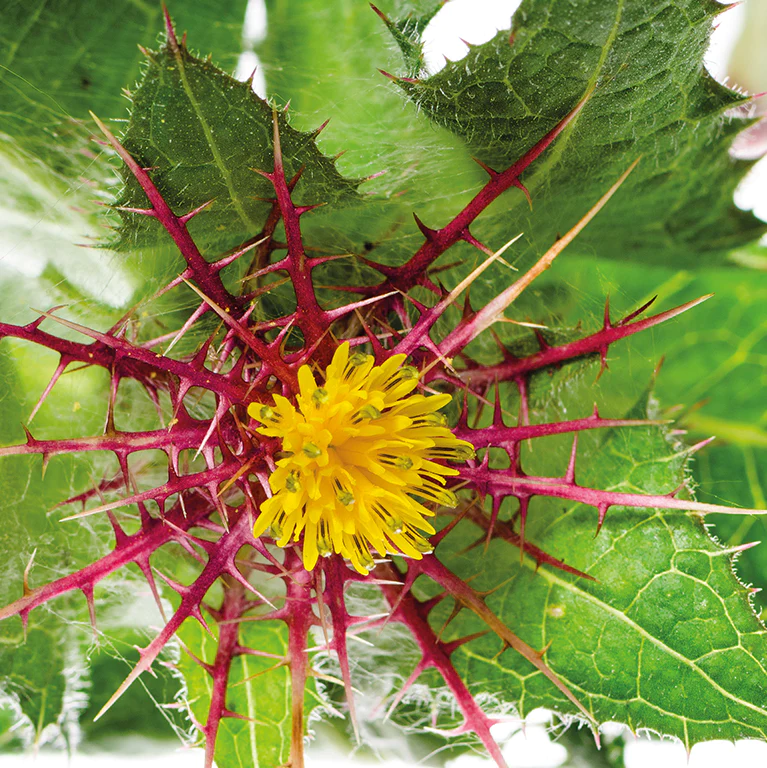
Blessed thistle has historically been used to boost breast milk production by elevating the hormone prolactin. Commonly paired with herbs like goat's rue, shatavari, and fenugreek, this combination also aids new mothers in relaxation, facilitating milk release. Additionally, blessed thistle supports liver function, enhances blood purification, and improves overall circulation, which can reduce headaches and clarify thinking. The herb is beneficial in treating headaches linked with menopause, potentially by regulating hormone levels. Topically, it can address skin issues like chicken pox and acne. It is generally deemed safe for use.
Medicinal Uses
Blessed thistle has a long-standing history of stimulating breast milk production, a property supported by modern research that identifies it as a popular choice among lactating mothers. This herb, known as a galactagogue, boosts breast milk supply by increasing the hormone prolactin. In clinical practice, it's common to combine blessed thistle with other lactation-supporting herbs like goat's rue, shatavari, nettle, hops, and fenugreek to enhance prolactin levels while providing essential trace minerals and B vitamins. This combination not only boosts milk production but also aids in relaxation, facilitating easier milk let-down for new mothers.
Beyond lactation support, blessed thistle is recognized for its liver-tonifying and blood-cleansing benefits. It promotes overall circulation, contributing to the body's detoxification processes. Improved circulation and detoxification can alleviate common issues like headaches, which are sometimes linked to poor circulation and waste accumulation. Historical texts, such as Culpepper's "The Complete Herbal" from 1653, often reference blessed thistle for treating simple headaches, enhancing brain function, and reducing menopause-related headaches, potentially by regulating hormone levels.
Topically, blessed thistle can be applied to the skin to address conditions like chicken pox, acne, and boils, which are manifestations of internal detoxification needs. A fomentation of blessed thistle can draw out toxins and provide soothing relief to affected areas.
Generally, blessed thistle is considered safe for use, with no significant contraindications noted for its prescribed applications.
Benefits
assist in breast milk production, tonifies lives and cleanses the blood, detoxifies skin
How to Use & Dosage
- To make an infusion, use 1 or 2 teaspoons of the substance per cup of water.
- Steep the infusion for 10 minutes and drink 1 to 3 cups per day.
- When using a tincture, take 10 to 30 drops, 1 to 3 times per day.
- For a fomentation, use 3 tablespoons of the substance per pint of water.
- Steep the mixture for 1 hour and then strain it.
- Soak a cotton cloth in the infusion and apply it to the affected area.
More Info
Frequently asked questions
What is Blessed Thistle used for?
Blessed thistle has a long-standing history of stimulating breast milk production, a property supported by modern research that identifies it as a popular choice among lactating mothers. This herb, known as a galactagogue, boosts breast milk supply by increasing the hormone prolactin. In clinical practice, it's common to combine blessed thistle with other lactation-supporting herbs like goat's rue, shatavari, nettle, hops, and fenugreek to enhance prolactin levels while providing essential trace minerals and B vitamins.
What are the benefits of Blessed Thistle?
assist in breast milk production, tonifies lives and cleanses the blood, detoxifies skin
How do you take Blessed Thistle?
Common preparations include infusion, tincture, fomentation. See the dosage guidance above, and consult a qualified practitioner for amounts suited to you.
This information is for general wellness and educational purposes only and is not medical advice. Consult a qualified healthcare provider before using any herb — especially if you are pregnant, nursing, or taking medication.
Learn more — more Digestive Health herbs