Barberry
Berberis vulgaris · Berberidaceae
Reviewed by The Sarv Health Team · Updated June 29, 2026 · Our editorial process
Barberry is a thorny shrub whose bright yellow root bark and berries have been used since antiquity in European, Middle Eastern, and Ayurvedic medicine, prized for its high content of the bitter yellow alkaloid berberine. Classified as bitter and cooling, it is one of the foremost remedies for the liver and digestion, traditionally used to stimulate bile flow, support healthy liver and gallbladder function, relieve sluggish digestion and constipation, and ease conditions linked to a congested liver. Barberry is also a notable antimicrobial, used for digestive and other infections, including diarrhea and dysentery, thanks to berberine's action against many microbes. It additionally supports healthy blood sugar and is used as a cooling remedy for inflammatory skin conditions. Its alkaloid berberine underlies many of these effects. Cooling and cleansing, barberry is treasured as a remedy for the liver, digestion, infections, and blood sugar support.
Medicinal Uses
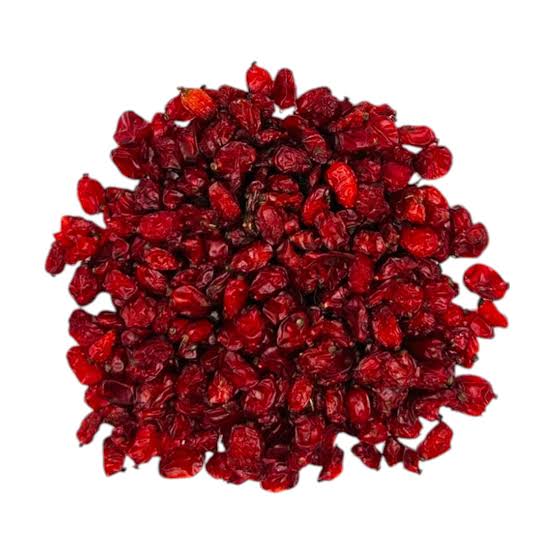
Barberry is a thorny deciduous shrub bearing bright red berries, whose vivid yellow inner bark and root have been used medicinally since ancient times in European, Middle Eastern, and Ayurvedic traditions. Its yellow color signals its high content of berberine, a bitter alkaloid shared with herbs such as goldenseal and Oregon grape. Barberry is classified as bitter and cooling.
The foremost medicinal use of barberry is for the liver and digestive system. As a bitter, it stimulates the flow of bile and digestive secretions, and is traditionally used to support healthy liver and gallbladder function, relieve sluggish digestion, bloating, and constipation, and ease complaints associated with a congested or overburdened liver, including its traditional use for jaundice and gallstones.
Barberry is also a notable antimicrobial, owing largely to berberine. It is traditionally used for gastrointestinal infections, including diarrhea and dysentery, and for other infections, helping to combat a range of bacteria, parasites, and fungi while supporting the gut.
The herb is additionally used to support healthy blood sugar levels, reflecting berberine's well-studied metabolic effects, and it is used as a cooling, cleansing remedy for inflammatory skin conditions linked to heat and poor liver function.
Barberry's effects are attributed chiefly to berberine and related alkaloids, which provide bitter, bile-stimulating, antimicrobial, anti-inflammatory, and blood-sugar-supporting actions. Because of its bile-stimulating and uterine effects, it is used carefully and avoided in pregnancy. Cooling and cleansing, barberry is treasured as a remedy for the liver, digestion, infections, and blood sugar support.
Benefits
Supports the liver and gallbladder, stimulates bile flow, relieves sluggish digestion and constipation, eases conditions linked to a congested liver, fights digestive and other infections, helps with diarrhea and dysentery, supports healthy blood sugar, eases inflammatory skin conditions, provides antimicrobial and anti-inflammatory effects
How to Use & Dosage
400-1500 mg per day, divided into doses.
Steep 1 teaspoon of dried barberry bark in hot water for 10-15 minutes. Drink 1-2 cups daily.
2-4 ml (about 40-80 drops), taken 2-3 times daily.
Simmer 1/2 to 1 teaspoon of dried barberry root bark in water for 15-20 minutes. Drink 1-2 cups daily.
More Info
Frequently asked questions
What is Barberry used for?
Barberry is a thorny deciduous shrub bearing bright red berries, whose vivid yellow inner bark and root have been used medicinally since ancient times in European, Middle Eastern, and Ayurvedic traditions. Its yellow color signals its high content of berberine, a bitter alkaloid shared with herbs such as goldenseal and Oregon grape. Barberry is classified as bitter and cooling.
What are the benefits of Barberry?
Supports the liver and gallbladder, stimulates bile flow, relieves sluggish digestion and constipation, eases conditions linked to a congested liver, fights digestive and other infections, helps with diarrhea and dysentery, supports healthy blood sugar, eases inflammatory skin conditions, provides antimicrobial and anti-inflammatory effects
How do you take Barberry?
Common preparations include capsules, infusion, tincture, decoction. See the dosage guidance above, and consult a qualified practitioner for amounts suited to you.
This information is for general wellness and educational purposes only and is not medical advice. Consult a qualified healthcare provider before using any herb — especially if you are pregnant, nursing, or taking medication.
Learn more — more Digestive Health herbs