Artichoke leaf
Cynara scolymus (Cynara cardunculus) · Asteraceae
Reviewed by The Sarv Health Team · Updated July 6, 2026 · Our editorial process
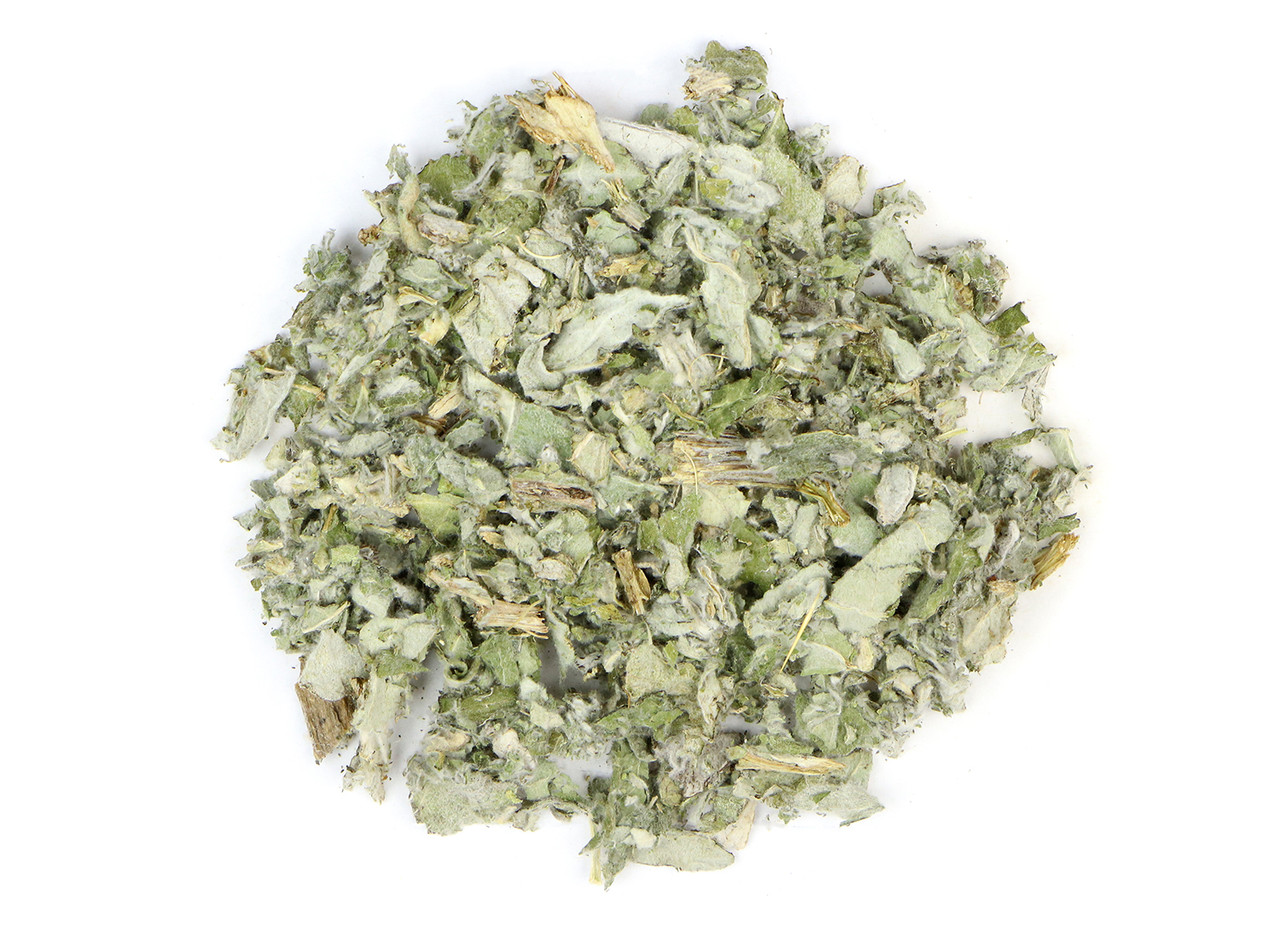
Artichoke leaf is one of the most respected bitter tonics for the liver and digestion, valued since antiquity in Mediterranean medicine and now supported by modern clinical research. Its intensely bitter compounds, chiefly cynarin and chlorogenic acid, stimulate the flow of bile from the liver and gallbladder, which improves the digestion of fats, relieves bloating, nausea, and indigestion, and eases the sluggish, congested feeling of a burdened liver. As a hepatoprotective herb it helps protect and support liver cells and promotes gentle detoxification. Artichoke leaf is also well studied for its ability to help lower elevated cholesterol and support healthy blood lipids, and its antioxidant flavonoids protect against oxidative stress. It offers mild benefits for blood sugar balance and functions as a mild diuretic. Bitter, cooling, and toning, artichoke leaf is treasured as a remedy for the liver, digestion, and heart health.
Medicinal Uses
Artichoke leaf comes from the same plant as the edible globe artichoke, but it is the large, deeply bitter leaves rather than the flower bud that are used medicinally. Valued since Greek and Roman times and well documented in modern European herbal medicine, it is classified as a bitter, cooling tonic. Its key active constituents include cynarin, chlorogenic acid, the flavonoid luteolin, and sesquiterpene lactones.
The foremost medicinal use of artichoke leaf is for the liver and gallbladder. As a cholagogue and choleretic it stimulates the production and flow of bile, which improves the breakdown and digestion of dietary fats. This makes it highly effective for relieving indigestion, bloating, nausea, fullness, and the heavy, sluggish discomfort associated with a congested liver or poor fat digestion.
Artichoke leaf is also hepatoprotective, helping to protect liver cells from damage, support their regeneration, and promote the liver's natural detoxification processes. It is traditionally used to support recovery of a burdened or fatty liver.
A well-researched use of artichoke leaf is for cardiovascular health, particularly cholesterol. Clinical studies indicate it can help lower elevated total and LDL cholesterol and support healthy blood lipid balance, partly through its effect on bile and cholesterol metabolism.
Its flavonoids and phenolic compounds provide strong antioxidant protection, and the herb offers mild support for healthy blood sugar levels as well as a gentle diuretic action. Bitter, cooling, and toning, artichoke leaf remains a treasured remedy for the liver, digestion, and heart health.
Benefits
Stimulates bile flow, improves the digestion of fats, relieves indigestion, bloating, and nausea, eases a congested or sluggish liver, protects and supports liver cells, promotes gentle detoxification, helps lower elevated cholesterol, supports healthy blood lipids, provides antioxidant protection, supports blood sugar balance, acts as a mild diuretic
How to Use & Dosage
1-2 teaspoons per day.
300-640 mg of standardized artichoke leaf extract, taken 1-3 times daily.
Steep 1-2 teaspoons of dried artichoke leaf in hot water for 10-15 minutes. Drink 1-3 cups daily before meals.
2-4 ml (about 40-80 drops), taken 2-3 times daily before meals.
More Info
Frequently asked questions
What is Artichoke leaf used for?
Artichoke leaf comes from the same plant as the edible globe artichoke, but it is the large, deeply bitter leaves rather than the flower bud that are used medicinally. Valued since Greek and Roman times and well documented in modern European herbal medicine, it is classified as a bitter, cooling tonic. Its key active constituents include cynarin, chlorogenic acid, the flavonoid luteolin, and sesquiterpene lactones.
What are the benefits of Artichoke leaf?
Stimulates bile flow, improves the digestion of fats, relieves indigestion, bloating, and nausea, eases a congested or sluggish liver, protects and supports liver cells, promotes gentle detoxification, helps lower elevated cholesterol, supports healthy blood lipids, provides antioxidant protection, supports blood sugar balance, acts as a mild diuretic
How do you take Artichoke leaf?
Common preparations include powder, capsules, infusion, tincture. See the dosage guidance above, and consult a qualified practitioner for amounts suited to you.
This information is for general wellness and educational purposes only and is not medical advice. Consult a qualified healthcare provider before using any herb — especially if you are pregnant, nursing, or taking medication.
Learn more — more Digestive Health herbs