Albizia
Albizia julibrissin · Fabaceae
Reviewed by The Sarv Health Team · Updated June 29, 2026 · Our editorial process
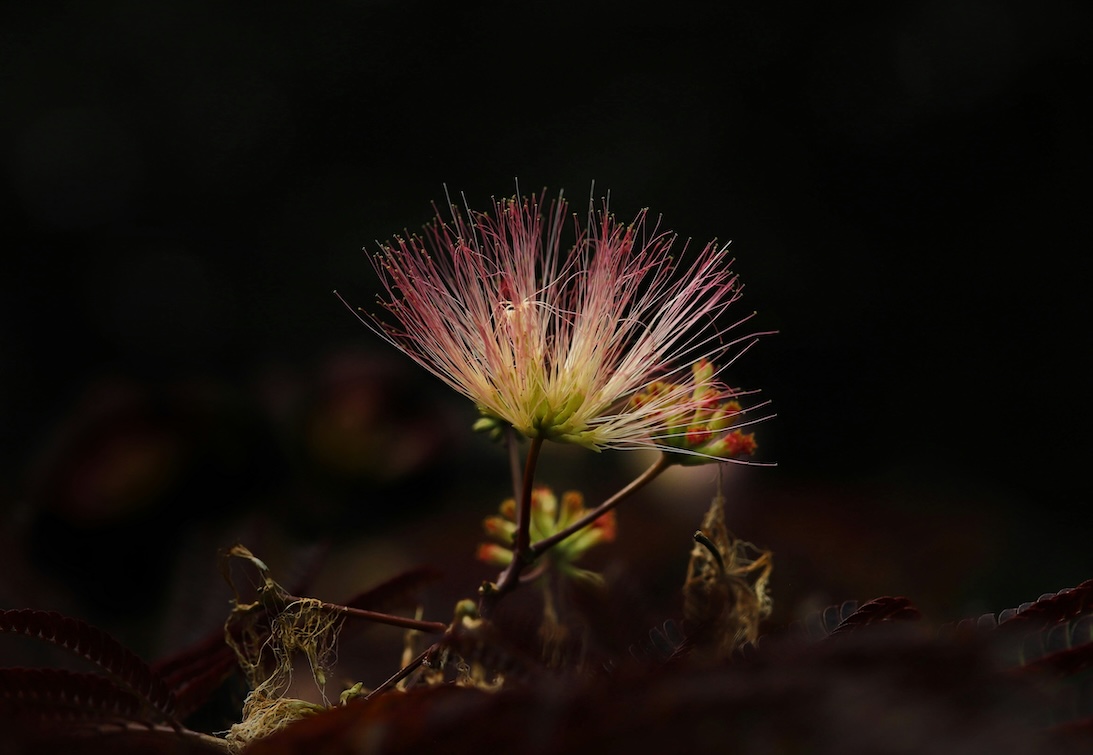
Albizia, known in Chinese medicine as the tree of happiness, is one of the most cherished herbs for lifting the spirit and easing emotional pain. Both its bark (he huan pi) and its delicate pink flowers (he huan hua) are used to calm the mind, relieve anxiety, irritability, and low mood, and to soothe the grief, sadness, and emotional constraint that can follow loss or prolonged stress. Classified as sweet and neutral, it gently nourishes and harmonizes the heart and liver, helping to settle restlessness and promote restful sleep without heavy sedation. In Chinese medicine the bark is also used to invigorate the blood and support the healing of injuries and the relief of swelling and pain. Containing saponins and flavonoids, albizia offers calming and mood-supporting effects. Albizia is treasured as a gentle herb for emotional wellbeing, grief, anxiety, and peaceful sleep.
Medicinal Uses
Albizia, often called the tree of happiness or collective happiness in Traditional Chinese medicine, is among the most valued herbs for emotional and spiritual wellbeing. Two parts are used: the bark, known as he huan pi, and the fragrant pink flowers, known as he huan hua. Both are classified as sweet and neutral and are used primarily to calm the spirit and lift the mood.
The foremost medicinal use of albizia is for emotional distress. It is traditionally used to ease anxiety, irritability, restlessness, and low mood, and is especially treasured for soothing grief, sadness, and the feeling of emotional constraint or a heavy heart that can follow bereavement, disappointment, or chronic stress. In Chinese medicine it is understood to harmonize the heart and liver and to relieve constrained emotions.
Albizia is also used to support healthy sleep. By calming the mind and settling the spirit, it helps with insomnia and disturbed sleep linked to worry and emotional upset, doing so in a gentle, non-sedating way that supports daytime calm.
The bark has an additional traditional use in invigorating the blood. It is applied to support the healing of injuries, fractures, and bruises, and to reduce associated swelling and pain.
Containing saponins, flavonoids, and lignans, albizia offers calming and mood-supporting effects that align with its long traditional use. Gentle and uplifting, it is treasured as an herb for emotional wellbeing, grief, anxiety, and peaceful sleep.
Benefits
Lifts the mood and eases low spirits, relieves anxiety and irritability, soothes grief and emotional pain, calms restlessness, supports restful sleep, harmonizes the heart and liver, invigorates the blood, supports healing of injuries, reduces swelling and pain
How to Use & Dosage
500-2000 mg per day, divided into 1-2 doses.
Steep 1-2 teaspoons of dried albizia flowers in hot water for 10-15 minutes. Drink 1-2 cups daily.
2-4 ml (about 40-80 drops), taken 2-3 times daily.
Simmer 9-15 grams of dried albizia bark in water for 30-45 minutes. Drink 1-2 cups daily.
More Info
Frequently asked questions
What is Albizia used for?
Albizia, often called the tree of happiness or collective happiness in Traditional Chinese medicine, is among the most valued herbs for emotional and spiritual wellbeing. Two parts are used: the bark, known as he huan pi, and the fragrant pink flowers, known as he huan hua. Both are classified as sweet and neutral and are used primarily to calm the spirit and lift the mood.
What are the benefits of Albizia?
Lifts the mood and eases low spirits, relieves anxiety and irritability, soothes grief and emotional pain, calms restlessness, supports restful sleep, harmonizes the heart and liver, invigorates the blood, supports healing of injuries, reduces swelling and pain
How do you take Albizia?
Common preparations include capsules, infusion, tincture, decoction. See the dosage guidance above, and consult a qualified practitioner for amounts suited to you.
This information is for general wellness and educational purposes only and is not medical advice. Consult a qualified healthcare provider before using any herb — especially if you are pregnant, nursing, or taking medication.
Learn more — more Neurological and Cognitive Health herbs