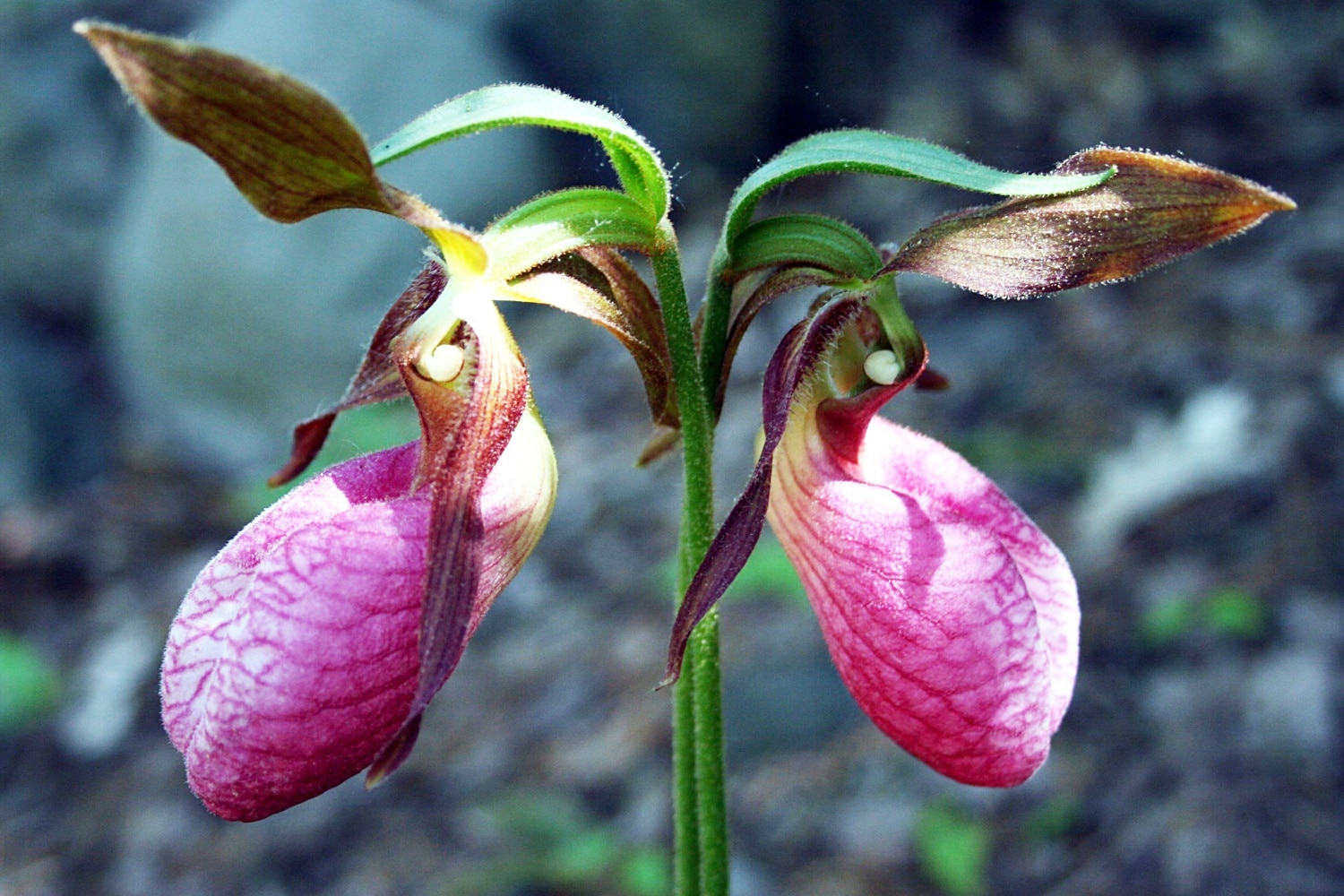
Ginseng
Araliaceae
Reviewed by The Sarv Health Team · Our editorial process
Ginseng is highly regarded for its numerous health benefits, primarily due to active compounds known as ginsenosides. As an adaptogen, it helps the body manage stress, enhances energy, and boosts overall stamina. Ginseng supports immune function, making it effective in fighting infections and enhancing disease resistance. It also promotes cardiovascular health by helping to regulate blood pressure and blood sugar levels, benefiting those with diabetes. Additionally, ginseng is known for improving cognitive functions such as memory, concentration, and mood, making it valuable for mental performance. Its anti-inflammatory and antioxidant properties further protect against chronic illnesses by reducing inflammation and shielding cells from oxidative damage. Overall, ginseng serves as a versatile herbal supplement that supports both physical and mental health, making it a valuable addition to a health-conscious lifestyle
Medicinal Uses
Ginseng, revered for centuries in traditional medicine, particularly in Asia, is celebrated for its broad spectrum of health benefits. The root of the ginseng plant is rich in active compounds known as ginsenosides, which are believed to be the key drivers of its health-promoting properties.
One of the most valued attributes of ginseng is its role as an adaptogen. Adaptogens are substances that help the body manage stress more effectively by regulating the adrenal system. This balancing act not only helps combat stress but also enhances overall stamina and energy levels, making ginseng a popular choice for boosting vitality.
Ginseng's impact on the immune system is another cornerstone of its medicinal use. It supports immune function, making the body more effective at fighting off infections and disease. Additionally, it has been shown to improve cardiovascular health by influencing blood pressure and helping to regulate blood sugar levels, which is particularly beneficial for those managing diabetes.
The cognitive benefits of ginseng are also noteworthy. It is often used to enhance mental performance and concentration. Studies suggest that ginseng may improve cognitive functions like memory, behavior, and mood, making it a useful supplement for mental clarity and focus.
Furthermore, ginseng has anti-inflammatory properties, which are vital in reducing the risk of chronic illnesses. Its antioxidant effects contribute to this by protecting cells from oxidative damage caused by free radicals.
Benefits
boosts energy, enhances cognitive function, supports immune system health, reduces inflammation, helps manage blood sugar levels
How to Use & Dosage
one tea bag per cup, steeped for several minutes, is used once or twice daily.
200-400 mg per day, taken in divided doses.
1-2 ml, up to three times per day.
More Info
Frequently asked questions
What is Ginseng used for?
Ginseng, revered for centuries in traditional medicine, particularly in Asia, is celebrated for its broad spectrum of health benefits. The root of the ginseng plant is rich in active compounds known as ginsenosides, which are believed to be the key drivers of its health-promoting properties. One of the most valued attributes of ginseng is its role as an adaptogen.
What are the benefits of Ginseng?
boosts energy, enhances cognitive function, supports immune system health, reduces inflammation, helps manage blood sugar levels
How do you take Ginseng?
Common preparations include tea, powder, tincture. See the dosage guidance above, and consult a qualified practitioner for amounts suited to you.
This information is for general wellness and educational purposes only and is not medical advice. Consult a qualified healthcare provider before using any herb — especially if you are pregnant, nursing, or taking medication.
Learn more — more Pain Management herbs