Red root
Rhamnaceae
Reviewed by The Sarv Health Team · Our editorial process
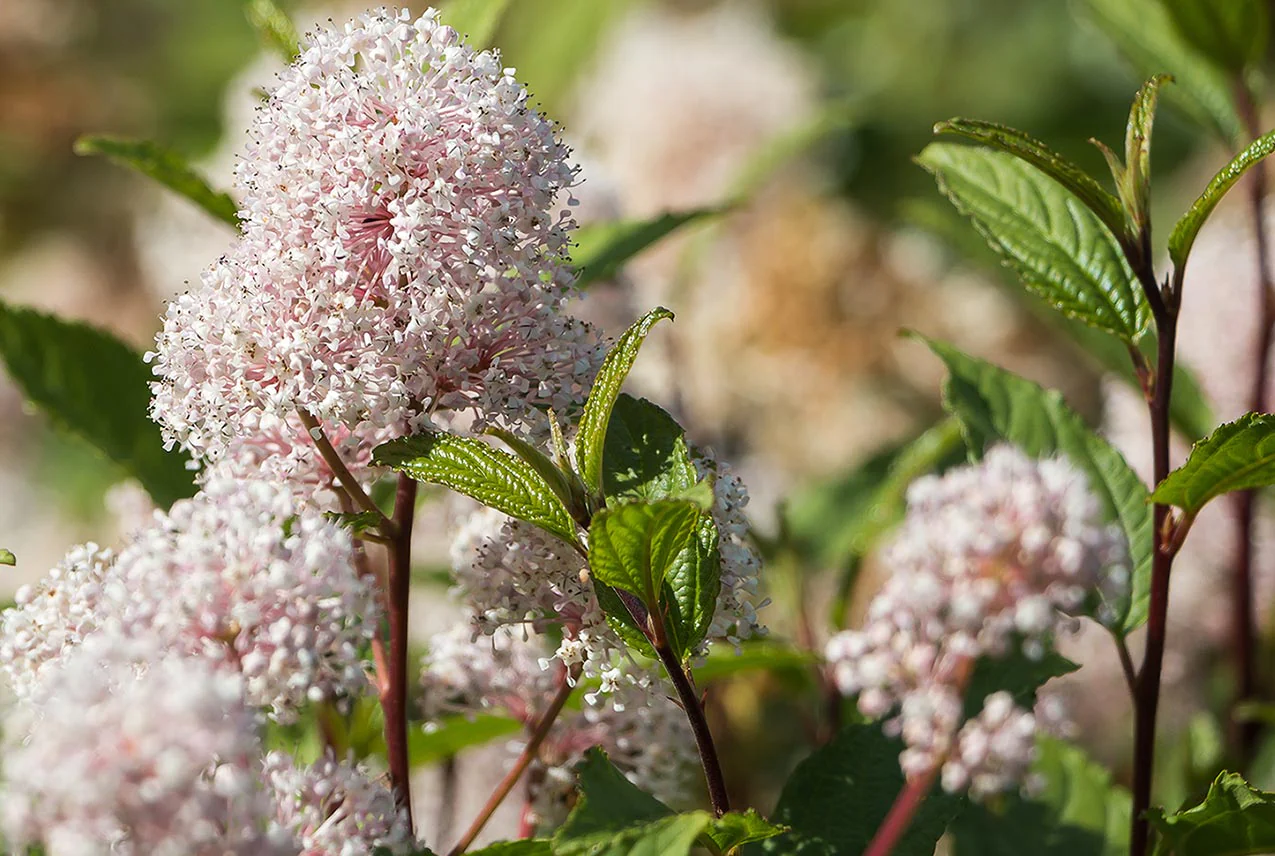
Red root is traditionally used to treat swollen spleens, often seen in conditions like malaria and mononucleosis. It's particularly recommended when there's despondency and melancholy during illness and tenderness over the spleen. The herb is also beneficial for "artistic funk" or melancholy. Additionally, red root can cool and constrict blood vessels, making it useful for conditions like hemorrhages, uterine and liver blood congestion, and stagnation in the lymph and liver. Rare allergic reactions to red root can cause tongue swelling.
Medicinal Uses
Red root is renowned for its effectiveness in treating spleen-related issues, including conditions like swollen spleen often linked to malaria, and as a post-recovery treatment for mononucleosis, which can leave patients with spleen enlargement. R. Swinburne Clymer, in his 1963 publication "Nature's Healing Agents: The Medicines of Nature," highlights red root's applicability in instances of illness-associated despondency and melancholy, particularly when there's tenderness over the spleen area. Clymer also associates red root with the alleviation of "artistic funk" or the melancholy often experienced by creative individuals, suggesting a broader therapeutic scope for the herb.
Besides its spleen-supportive properties, red root is valuable for its cooling and constricting effects on blood vessels, making it beneficial in managing hot and congested fluids and blood within the body. It is utilized in treating conditions like hemorrhage, uterine and liver blood congestion, excessive cellular secretions, and lymph and liver stagnation, showcasing its versatility in addressing various circulatory and lymphatic issues.
However, while red root is generally safe, there are instances of allergic reactions, the most common symptom being swelling of the tongue. Caution is advised for individuals who may be sensitive to red root or its constituents.
Benefits
support spleen, cools and constricts blood vessels
How to Use & Dosage
Use 1 or 2 teaspoons per cup and steep for 10 to 12 minutes, recommended 1 to 2 cups daily
Take 3 to 90 drops, 1 to 3 times a day
More Info
Frequently asked questions
What is Red root used for?
Red root is renowned for its effectiveness in treating spleen-related issues, including conditions like swollen spleen often linked to malaria, and as a post-recovery treatment for mononucleosis, which can leave patients with spleen enlargement. R. Swinburne Clymer, in his 1963 publication "Nature's Healing Agents: The Medicines of Nature," highlights red root's applicability in instances of illness-associated despondency and melancholy, particularly when there's tenderness over the spleen area.
What are the benefits of Red root?
support spleen, cools and constricts blood vessels
How do you take Red root?
Common preparations include infusion, tincture. See the dosage guidance above, and consult a qualified practitioner for amounts suited to you.
This information is for general wellness and educational purposes only and is not medical advice. Consult a qualified healthcare provider before using any herb — especially if you are pregnant, nursing, or taking medication.
Learn more — more Pain Management herbs