Wild cherry
Rosaceae
Reviewed by The Sarv Health Team · Our editorial process
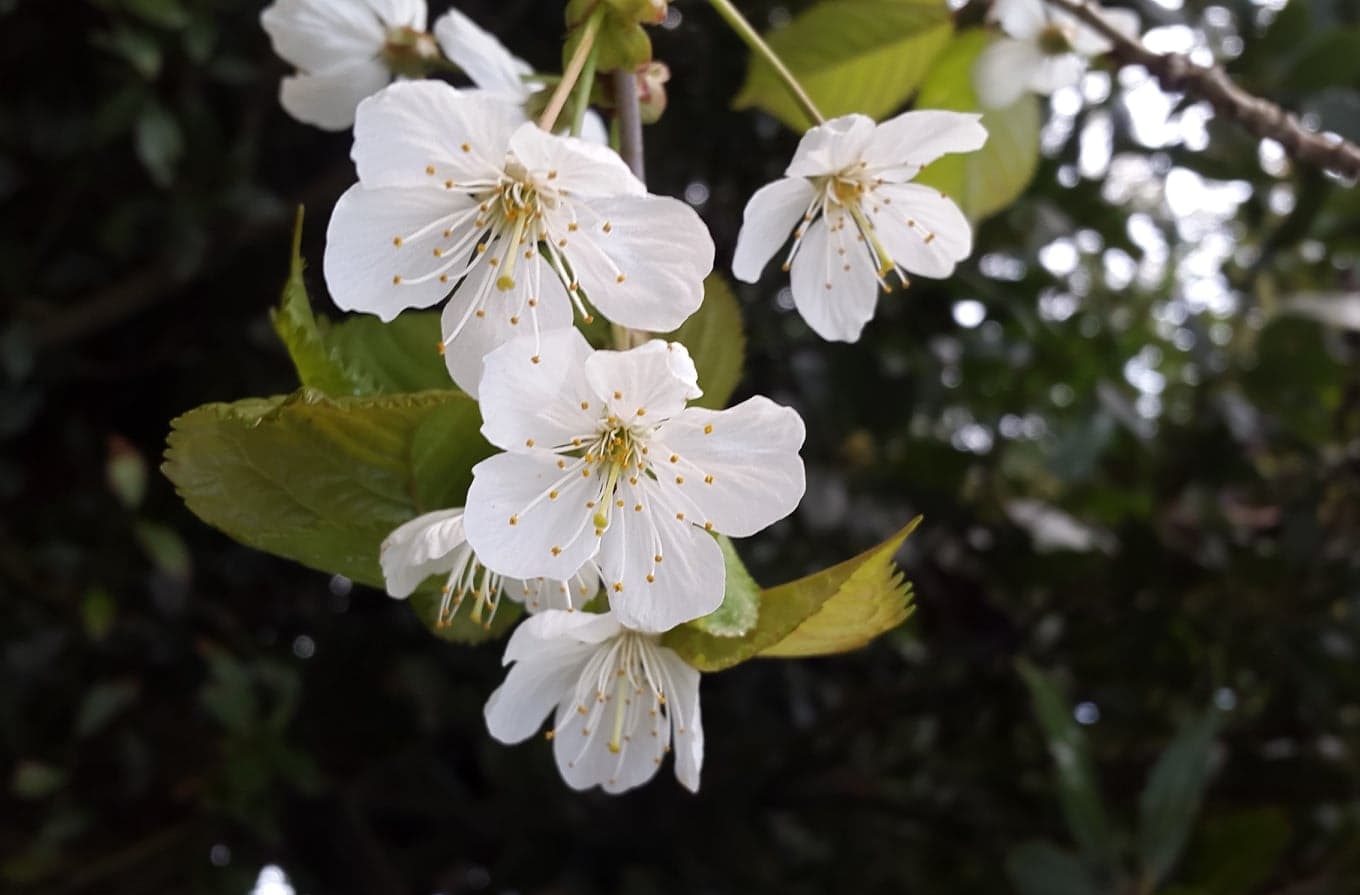
Wild cherry plays a vital role in sedating and cooling bodily tissues to enhance organ functionality, thanks to its cyanogens and flavonoids. These components work synergistically to alleviate heat, inflammation, congestion, and swelling, particularly in situations involving capillary irritation and blood congestion. Wild cherry also provides relief for wounds, irritations, and conditions such as external ulcers, punctures, and pink eye. It has a calming effect on the heart, easing anxiety and nervous palpitations, while its volatile oil stimulates appetite and aids digestion, especially beneficial after illness. Additionally, it stands out as a natural remedy for various respiratory issues, including bronchitis, pleurisy, asthma, and tuberculosis, by relieving coughs, expelling phlegm, and reducing tightness in the chest and throat. However, caution is advised as extremely large doses over prolonged periods can be toxic, and it is recommended to use only the inner bark and avoid the leaves.
Medicinal Uses
Wild cherry is valued for its ability to sedate and cool bodily tissues, promoting optimal organ function. This effect is attributed to two key components, cyanogens and flavonoids, which collaboratively reduce heat, inflammation, congestion, and swelling within tissues and organs. This makes wild cherry particularly beneficial in conditions with increased capillary irritation and blood congestion.
For wounds and skin irritations marked by redness, indicating cellular-level irritation, wild cherry provides soothing relief. This includes treating external ulcers, punctures, and even pink eye, by alleviating the surrounding inflammation.
In cases of anxiety and nervous heart palpitations, wild cherry can be quite effective. Consumed as a tea, it helps to calm the heart and slow down the heart rate, providing a sense of tranquility.
Furthermore, the volatile oil in wild cherry acts as an appetite stimulant and a digestive tonic, making it ideal for recovery after illness. One of its strongest components, the cyanogenic glycoside known as prunasin, serves as a potent natural cough suppressant. It eases respiratory conditions like bronchitis, pleurisy, asthma, or tuberculosis by reducing swelling in the passageways, facilitating phlegm expulsion, and relieving chest and throat tightness.
However, caution is advised as consuming extremely large doses over prolonged periods can be toxic due to the cyanogenic compounds. The use of wild cherry, despite its toxic potential, is justified by its therapeutic benefits at recommended doses, supported by extensive historical documentation. It's important to remember that toxicity is dose-dependent, and only the inner bark should be used, avoiding the leaves.
Benefits
sedates and cools tissues, treats wounds and irritations, calms the heart, stimulates appetite, relieves cough
How to Use & Dosage
You can take 1 teaspoon of syrup as needed.
To make an infusion, use 1 teaspoon per cup, steep it for 15 minutes, and you can have 1 to 3 cups per day for acute situations.
take 1 dropperful as needed.
For a decoction, use 1 teaspoon per cup, simmer it for 8 to 10 minutes covered, and you can have 1 to 3 cups per day for acute situations.
More Info
Frequently asked questions
What is Wild cherry used for?
Wild cherry is valued for its ability to sedate and cool bodily tissues, promoting optimal organ function. This effect is attributed to two key components, cyanogens and flavonoids, which collaboratively reduce heat, inflammation, congestion, and swelling within tissues and organs. This makes wild cherry particularly beneficial in conditions with increased capillary irritation and blood congestion.
What are the benefits of Wild cherry?
sedates and cools tissues, treats wounds and irritations, calms the heart, stimulates appetite, relieves cough
How do you take Wild cherry?
Common preparations include syrup, infusion, tincture, decoction. See the dosage guidance above, and consult a qualified practitioner for amounts suited to you.
This information is for general wellness and educational purposes only and is not medical advice. Consult a qualified healthcare provider before using any herb — especially if you are pregnant, nursing, or taking medication.
Learn more — more Neurological and Cognitive Health herbs