Plantain
Planaginaceae
Reviewed by The Sarv Health Team · Our editorial process
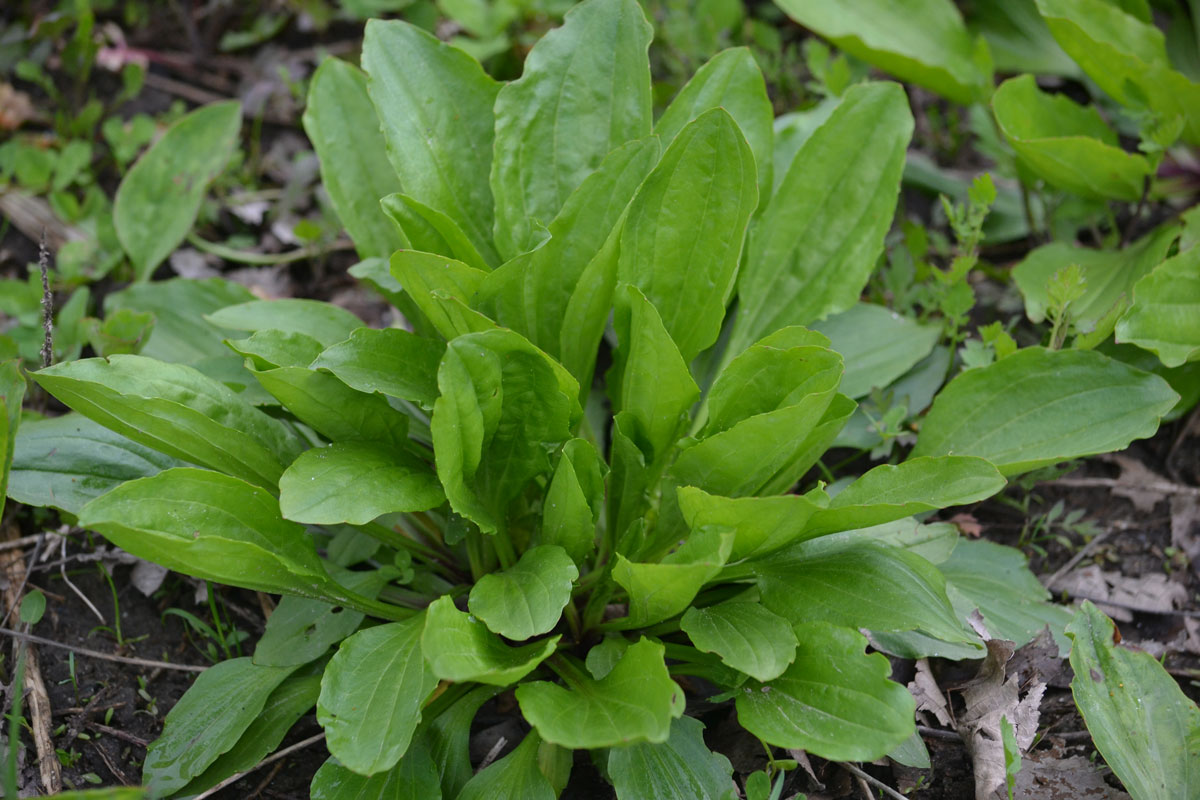
Plantain is a potent herb known for drawing out toxins and is effective in treating venomous snake and spider bites. It has the ability to heal deep wounds by purifying and closing injured tissue. Plantain can reduce swelling caused by insect stings, as demonstrated in an instance with a child stung by a bee. It's beneficial for the respiratory system, soothing irritations and aiding in mucus removal. The herb also stimulates the cardiovascular system, which helps combat body infections and is recommended for oral issues like thrush and infected gums. However, those on blood thinners should avoid taking large doses of plantain.
Medicinal Uses
Plantain is a highly versatile herb with remarkable detoxifying properties, making it a valuable resource for treating various poisonous afflictions both externally and internally. It is particularly effective in creating poultices for drawing out toxins from venomous snake and spider bites. Its healing capabilities extend to deep wounds, where it can purify and close the skin and tissues, facilitating recovery. Anecdotal evidence, such as the case mentioned by Matthew Wood in 2008, highlights plantain's ability to significantly reduce swelling caused by bee stings, demonstrating its potent anti-inflammatory properties.
In addition to its detoxifying effects, plantain is beneficial for respiratory health. It eases irritation in the respiratory tract by soothing and lightly moisturizing mucous membranes, helping to expel mucus from the lungs. This makes it an excellent choice for managing persistent coughs that stem from respiratory irritation.
Plantain also plays a role in combating infections. Both its roots and leaves can mildly stimulate the cardiovascular system, which in turn supports the glandular and lymphatic systems in fighting infections. It is also recommended for oral health issues like thrush and painful or infected gums, underscoring its wide range of medicinal applications.
However, it's important to note that individuals on prescribed blood-thinning medications should avoid taking large doses of plantain due to potential interactions.
Benefits
draws out toxins, soothes respiratory tract, helps heal infections
How to Use & Dosage
For infected gums or an abscessed tooth, apply fine root powder to the affected area for 20 minutes, 2 times per day.
Apply chewed or bruised leaves directly to the affected area until symptoms resolve.
Prepare an infusion by using 1 teaspoon per cup and steeping it for 10 minutes. You can have 1 to 3 cups per day.
Take 1 dropperful of tincture 3 times per day.
For thrush, boil 1 ounce of seeds in 3 cups of water, reducing to 2 cups, let it sit for 1 hour and strain, then add honey to taste. Use 1 tablespoon of this decoction 4 times per day.
For infected gums or an abscessed tooth, use 3 tablespoons of root powder per pint, steep it for 2 hours, and swish 2 times per day.
More Info
Frequently asked questions
What is Plantain used for?
Plantain is a highly versatile herb with remarkable detoxifying properties, making it a valuable resource for treating various poisonous afflictions both externally and internally. It is particularly effective in creating poultices for drawing out toxins from venomous snake and spider bites. Its healing capabilities extend to deep wounds, where it can purify and close the skin and tissues, facilitating recovery.
What are the benefits of Plantain?
draws out toxins, soothes respiratory tract, helps heal infections
How do you take Plantain?
Common preparations include powder, topical, infusion, tincture, decoction, mouthwash. See the dosage guidance above, and consult a qualified practitioner for amounts suited to you.
This information is for general wellness and educational purposes only and is not medical advice. Consult a qualified healthcare provider before using any herb — especially if you are pregnant, nursing, or taking medication.
Learn more — more Skin and Tissue Health herbs