Gymnema
Gymnema sylvestre · Apocynaceae
Reviewed by The Sarv Health Team · Updated June 29, 2026 · Our editorial process
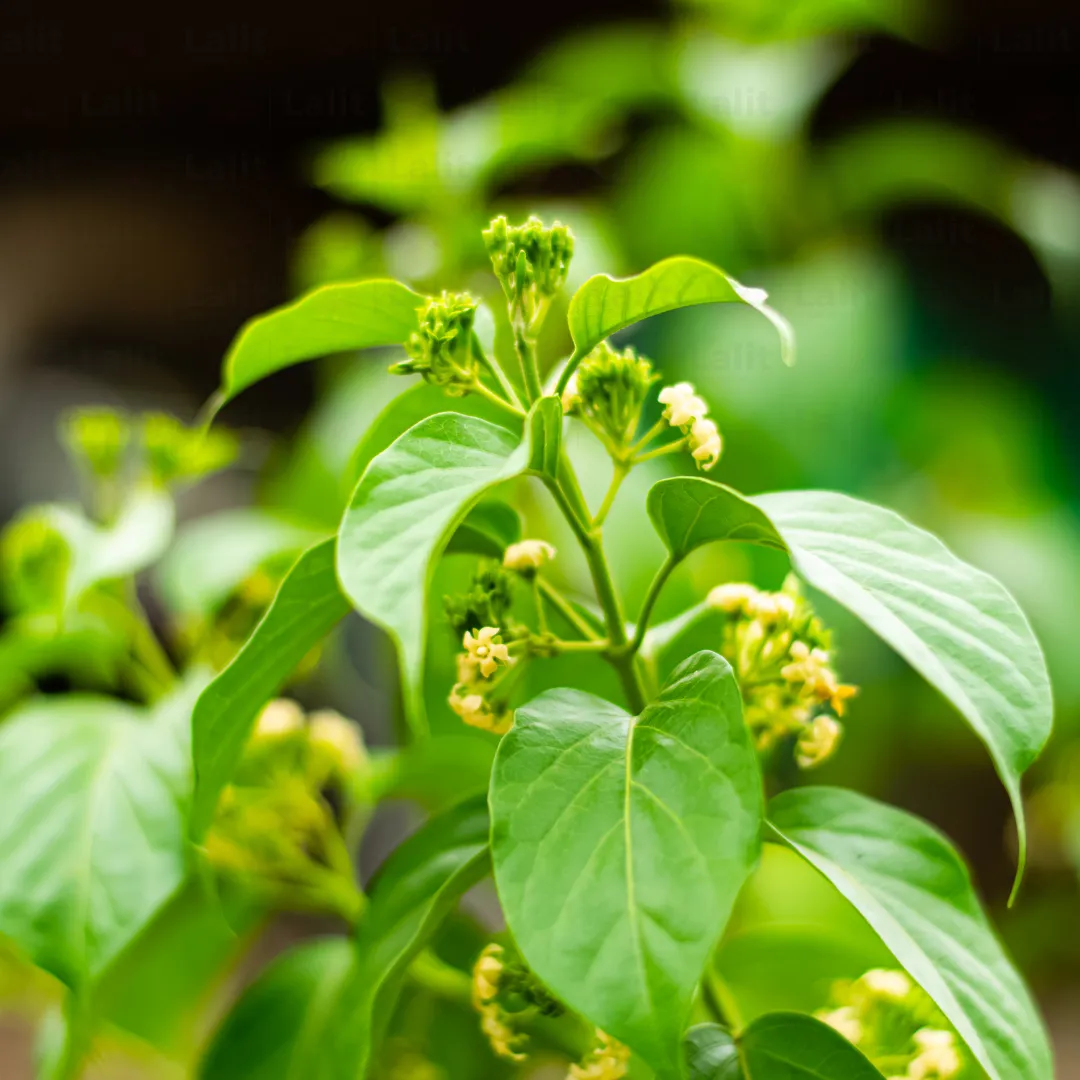
Gymnema is a woody climbing vine of India whose Ayurvedic name gurmar literally means sugar destroyer, reflecting its remarkable and long-documented use in supporting healthy blood sugar. Classified as bitter and astringent, it has been used for over two thousand years to support people with diabetes and excess sugar in the body. A striking feature of the fresh leaf is its ability to temporarily block the taste of sweetness on the tongue, which helps reduce sugar cravings. Gymnema is traditionally used to support healthy blood sugar and insulin function, to curb sweet cravings as an aid to weight management, and to support the pancreas. It also has traditional uses for digestion, cholesterol, and as a mild diuretic. Its gymnemic acids underlie its sugar-balancing and craving-reducing effects. Bitter and balancing, gymnema is treasured as a remedy for blood sugar support, sugar cravings, and metabolic health.
Medicinal Uses
Gymnema is a woody climbing vine native to the forests of India and parts of Asia and Africa, and its leaves have been used in Ayurveda for more than two thousand years. Its Sanskrit and Hindi names translate as sugar destroyer, reflecting the herb's signature use. It is classified as bitter and astringent in taste.
The foremost medicinal use of gymnema is supporting healthy blood sugar. It has a long traditional history of use for people with diabetes and conditions of excess sugar, and is used to help maintain healthy blood glucose and insulin function. It is traditionally understood to support the pancreas and the body's handling of sugar, and it remains one of the most studied herbs for blood sugar support.
A distinctive feature of gymnema is its effect on taste. Chewing the fresh leaf, or taking the herb, can temporarily suppress the ability to taste sweetness, which in turn helps reduce cravings for sugary foods. This makes gymnema a popular aid for curbing sweet cravings and supporting healthy weight management and dietary change.
The herb also has traditional uses in supporting digestion, helping to maintain healthy cholesterol and triglyceride levels, and acting as a mild diuretic and astringent.
Gymnema's key active constituents are the gymnemic acids, along with related saponins, which are responsible for both its blood-sugar-supporting effects and its ability to block the perception of sweetness. Bitter and balancing, gymnema is treasured as a remedy for blood sugar support, reducing sugar cravings, and overall metabolic health.
Benefits
Supports healthy blood sugar levels, supports insulin function, reduces sugar and sweet cravings, supports the pancreas, aids weight management, supports healthy cholesterol and triglycerides, supports digestion, acts as a mild diuretic
How to Use & Dosage
1/4 to 1/2 teaspoon (1-2 grams) of gymnema leaf powder, taken 1-2 times daily.
400-1000 mg per day, divided into 1-2 doses.
Steep 1 teaspoon of dried gymnema leaves in hot water for 10-15 minutes. Drink 1-2 cups daily.
2-4 ml (about 40-80 drops), taken 2-3 times daily.
More Info
Frequently asked questions
What is Gymnema used for?
Gymnema is a woody climbing vine native to the forests of India and parts of Asia and Africa, and its leaves have been used in Ayurveda for more than two thousand years. Its Sanskrit and Hindi names translate as sugar destroyer, reflecting the herb's signature use. It is classified as bitter and astringent in taste.
What are the benefits of Gymnema?
Supports healthy blood sugar levels, supports insulin function, reduces sugar and sweet cravings, supports the pancreas, aids weight management, supports healthy cholesterol and triglycerides, supports digestion, acts as a mild diuretic
How do you take Gymnema?
Common preparations include powder, capsules, infusion, tincture. See the dosage guidance above, and consult a qualified practitioner for amounts suited to you.
This information is for general wellness and educational purposes only and is not medical advice. Consult a qualified healthcare provider before using any herb — especially if you are pregnant, nursing, or taking medication.
Learn more — more Urinary and Kidney Health herbs