Bearberry
Ericaceae
Reviewed by The Sarv Health Team · Our editorial process
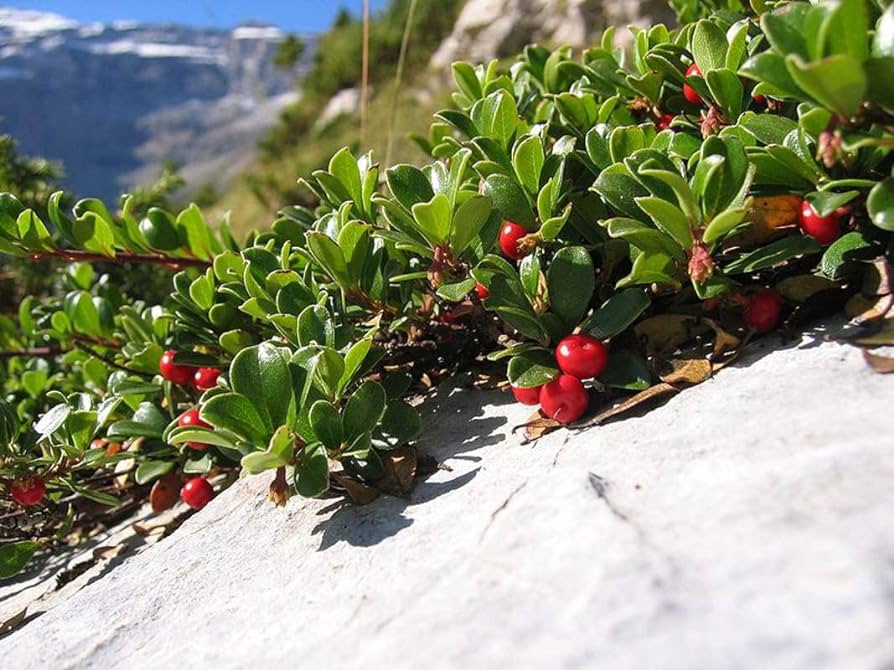
Bearberry contains a glycoside called arbutin, which, when ingested, produces both diuretic and antiseptic effects in the kidneys, aiding in flushing the bladder's mucous membranes, beneficial for bladder infections. Additionally, bearberry's tannins balance the pH of urine, reducing acidic conditions in the bladder. As an astringent, it tones bladder tissues, addressing issues like uncontrolled urination, kidney infections, prostate issues, and incontinence. Particularly for incontinence, bearberry seems to strengthen the bladder's sphincter, which holds urine. It can offer relief to those constantly seeking restrooms and has been used to dissolve kidney stones. Some sources highlight bearberry's utility in regulating labor contractions. However, its usage should be limited to 7-10 days to avoid overburdening eliminatory organs. It's not recommended for children, as it might overstimulate the bladder, and it can change the urine's color to green.
Medicinal Uses
Bearberry contains a key component called arbutin, which remains largely unchanged as it circulates through the body until it reaches the kidneys. There, it induces diuretic and antiseptic effects, promoting a cleansing process that is particularly beneficial for bladder infections by flushing out the bladder's mucous membranes. Additionally, bearberry's tannins work to adjust urine pH, making acidic conditions in the bladder less harsh. As an astringent, bearberry strengthens bladder tissues, proving useful in cases of uncontrolled urination, kidney and prostate issues, and incontinence by enhancing the tone, particularly of the bladder's sphincter, thus aiding in urine retention. This property offers reassurance to those concerned about frequent bathroom needs and has been utilized in dissolving kidney stones.
Bearberry is also noted for its capacity to regulate contractions during labor, encouraging progression. However, bearberry should be used cautiously typically for a duration of 7 to 10 days to avoid overtaxing the body's eliminatory systems and is not recommended for children due to its potent effects on the bladder. It may also alter urine color to green.
Benefits
creates antiseptic and diuretic action, tones the bladder and helps dissolve kidney stones, regulates labor contractions
How to Use & Dosage
- To make an infusion, use 1 teaspoon of the substance per cup of water.
- Steep it for 8 to 10 minutes.
- You can have 1 to 4 cups of this infusion per day.
- For acute problems, you can drink 4 ounces at a time as needed.
- Take either 10 drops or 3 dropperfuls of the tincture.
- Repeat this 1 to 3 times per day based on your requirements.
More Info
Frequently asked questions
What is Bearberry used for?
Bearberry contains a key component called arbutin, which remains largely unchanged as it circulates through the body until it reaches the kidneys. There, it induces diuretic and antiseptic effects, promoting a cleansing process that is particularly beneficial for bladder infections by flushing out the bladder's mucous membranes. Additionally, bearberry's tannins work to adjust urine pH, making acidic conditions in the bladder less harsh.
What are the benefits of Bearberry?
creates antiseptic and diuretic action, tones the bladder and helps dissolve kidney stones, regulates labor contractions
How do you take Bearberry?
Common preparations include infusion, tincture. See the dosage guidance above, and consult a qualified practitioner for amounts suited to you.
This information is for general wellness and educational purposes only and is not medical advice. Consult a qualified healthcare provider before using any herb — especially if you are pregnant, nursing, or taking medication.
Learn more — more Urinary and Kidney Health herbs