Wild yam
Dioscoreaceae
Reviewed by The Sarv Health Team · Our editorial process
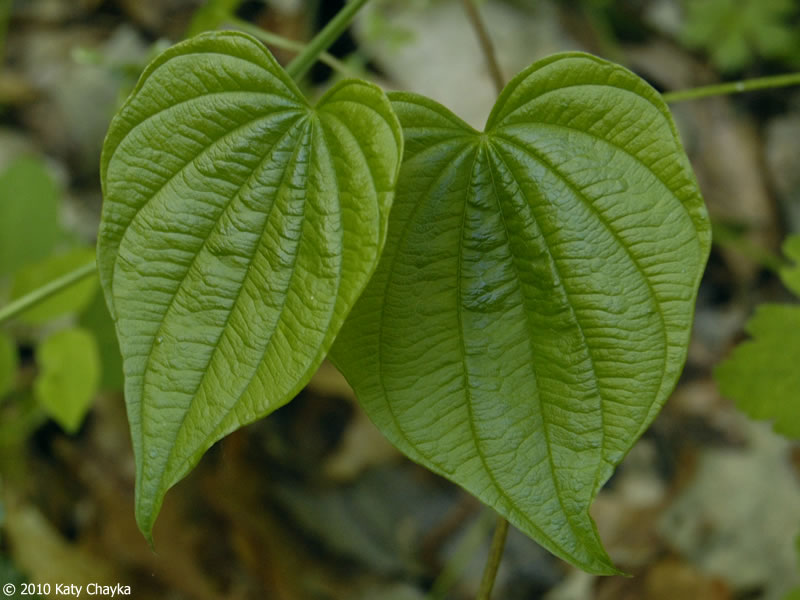
Wild yam, recognized for its diosgenin content that mimics natural progesterone, has been studied for its numerous health benefits. It aids in balancing hormones, preventing miscarriage, and serves as an effective contraceptive, which influenced the development of oral birth control. Additionally, it alleviates nausea and vomiting associated with morning sickness in pregnancy. Beyond its hormonal effects, wild yam also has a calming influence on the nervous system and relaxes smooth muscle tissues, making it useful for treating muscle cramps, colic, gallstones, and intestinal irritation. It even demonstrates strong antifungal properties, capable of invading and neutralizing fungal infections. However, caution is advised as large doses can lead to vomiting.
Medicinal Uses
Japanese researchers in the 1930s discovered that wild yam and its component, diosgenin, share a chemical resemblance to human progesterone. This makes wild yam an effective herb for hormone regulation and miscarriage prevention, and it has been utilized as a natural contraceptive, contributing to the development of oral contraceptives based on progesterone. Additionally, it can alleviate morning sickness symptoms such as nausea and vomiting during pregnancy.
Wild yam also has a calming effect on the central nervous system and smooth muscle tissues, making it useful for treating muscle spasms, colic, gallbladder stones, and intestinal discomfort. Its soothing properties extend to managing hyperactivity and nervousness.
Moreover, research into wild yam's steroidal saponins has shown significant antifungal properties, capable of combating fungal infections. However, it's important to be cautious with dosages, as high amounts can lead to vomiting.
Benefits
mimics progesterone, relaxes nerves and muscles, kills fungus
How to Use & Dosage
take 5 to 30 drops, 1 to 3 times per day. To prevent threatened miscarriage, take 1/2 to 1 teaspoon every hour up to 8 hours. For postpartum pain take 1 or 2 dropperfuls in warm water every 30 to 60 minutes
For a decoction, use 1 to 3 teaspoons per cup, simmer 10 to 12 minutes covered, you may have 1 to 3 cups per day
More Info
Frequently asked questions
What is Wild yam used for?
Japanese researchers in the 1930s discovered that wild yam and its component, diosgenin, share a chemical resemblance to human progesterone. This makes wild yam an effective herb for hormone regulation and miscarriage prevention, and it has been utilized as a natural contraceptive, contributing to the development of oral contraceptives based on progesterone. Additionally, it can alleviate morning sickness symptoms such as nausea and vomiting during pregnancy.
What are the benefits of Wild yam?
mimics progesterone, relaxes nerves and muscles, kills fungus
How do you take Wild yam?
Common preparations include tincture, decoction. See the dosage guidance above, and consult a qualified practitioner for amounts suited to you.
This information is for general wellness and educational purposes only and is not medical advice. Consult a qualified healthcare provider before using any herb — especially if you are pregnant, nursing, or taking medication.
Learn more — more Pain Management herbs