Bloodroot
Papaveraceae
Reviewed by The Sarv Health Team · Our editorial process
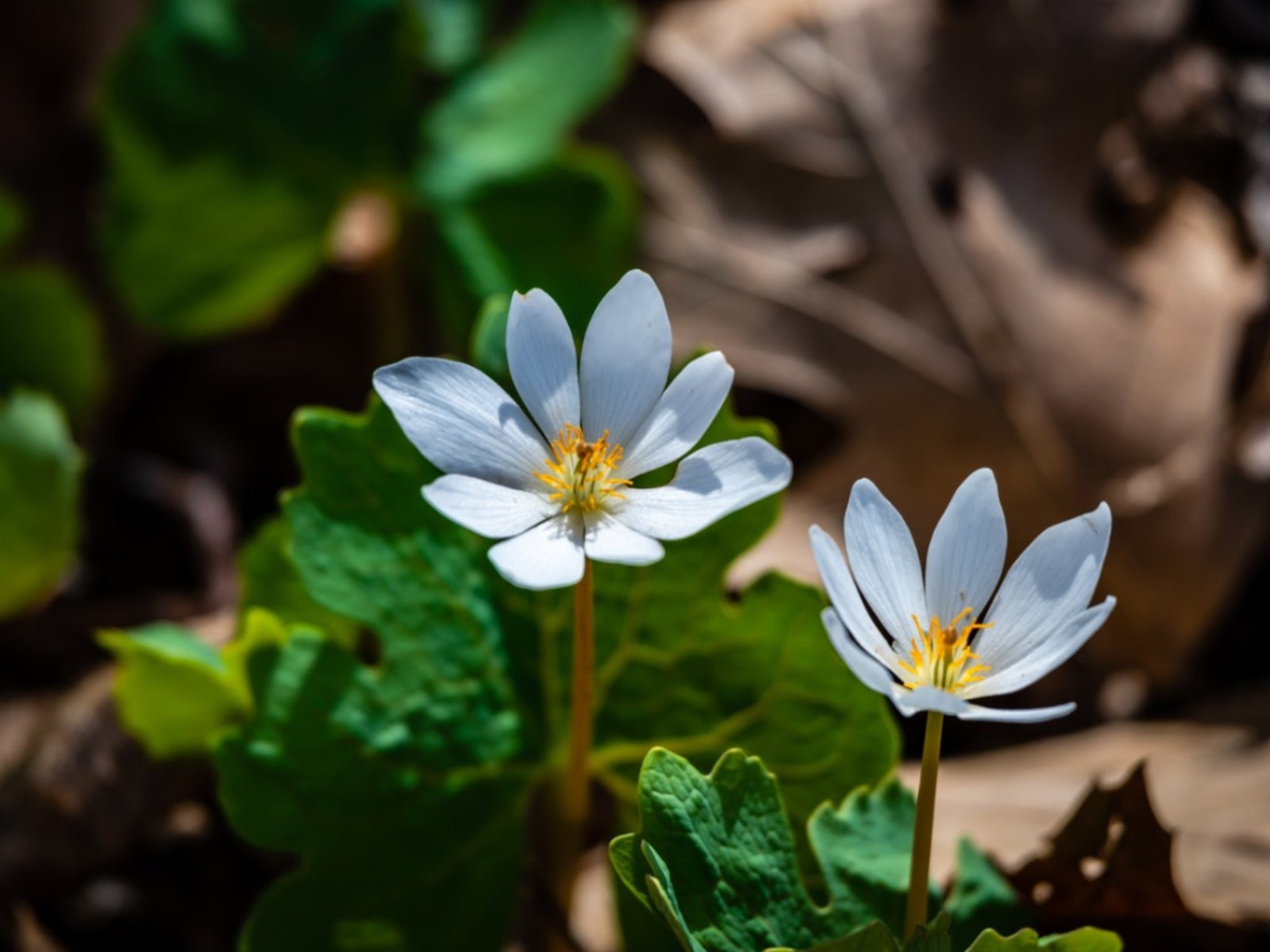
Bloodroot is used in the treatment of cervical dysplasia, a condition that refers to abnormal precancerous and cancerous tissue on the cervix. The severity of dysplasia is graded, with CIN I being mild and CIN II and III being more severe and likely to progress to invasive cervical cancer if untreated. Bloodroot can be an alternative to procedures like conical biopsy or LEEP. Additionally, bloodroot stimulates and warms organs, aiding in functions like expelling phlegm from the lungs, aiding digestion, and increasing peripheral circulation. It can also prompt menstruation. However, bloodroot is contraindicated for pregnant and breastfeeding women, children, and shouldn't be used long-term due to potential toxicity.
Medicinal Uses
During routine gynecological exams, a key focus is on the cervix and vaginal canal's health, where cell samples are taken to detect cervical dysplasia and assess estrogen levels. Cervical dysplasia involves abnormal, potentially pre-cancerous or cancerous cells on the cervix's surface, classified by severity from mild (CIN I) to moderate and severe (CIN II and III). The latter categories carry a higher risk of progressing to invasive cervical cancer if left untreated.
Bloodroot plays a crucial role in escharotic treatments for cervical dysplasia, where it's often mixed with zinc chloride and applied directly to the cervix. This method has been documented in numerous studies for its effectiveness and can serve as an alternative to more invasive procedures like cone biopsies or LEEP procedures.
Beyond its use in treating cervical issues, bloodroot is known for its stimulating and warming effects on the body. It accelerates the functions of the central nervous and cardiovascular systems, bringing warmth to targeted organs such as the lungs, gastrointestinal tract, and uterus, thereby enhancing their functionality. In high doses, bloodroot can help clear phlegm from the lungs, while smaller doses can ease bronchial irritation, aid digestion, mildly improve circulation, and even stimulate menstruation.
However, bloodroot comes with significant contraindications. It should be avoided by pregnant and breastfeeding women, not be given to children, and not used long-term due to the risk of toxic alkaloid buildup.
Benefits
treats cervical dysplasia, stimulates and warms organs
How to Use & Dosage
- Apply small amounts of the salve 1 or 2 times per day.
- Use a pinch of the substance for sinus infections or headaches.
- For syrup, take 1 teaspoon of the substance 1 to 3 times per day.
- It works best when combined with other herbs.
- When using a tincture, take 5 to 10 drops, 1 to 3 times per day.
- To prepare a decoction, use 1 teaspoon of the substance per cup of water.
- Simmer the mixture, covered, for 10 to 12 minutes, and take it once per day.
More Info
Frequently asked questions
What is Bloodroot used for?
During routine gynecological exams, a key focus is on the cervix and vaginal canal's health, where cell samples are taken to detect cervical dysplasia and assess estrogen levels. Cervical dysplasia involves abnormal, potentially pre-cancerous or cancerous cells on the cervix's surface, classified by severity from mild (CIN I) to moderate and severe (CIN II and III). The latter categories carry a higher risk of progressing to invasive cervical cancer if left untreated.
What are the benefits of Bloodroot?
treats cervical dysplasia, stimulates and warms organs
How do you take Bloodroot?
Common preparations include salve, snuff, syrup, tincture, decoction. See the dosage guidance above, and consult a qualified practitioner for amounts suited to you.
This information is for general wellness and educational purposes only and is not medical advice. Consult a qualified healthcare provider before using any herb — especially if you are pregnant, nursing, or taking medication.
Learn more — more Respiratory Health herbs