Medically reviewed by the Sarv Health Team · Our editorial process
Nettle & Oatstraw: Nourishing Herbs for Frazzled Nerves
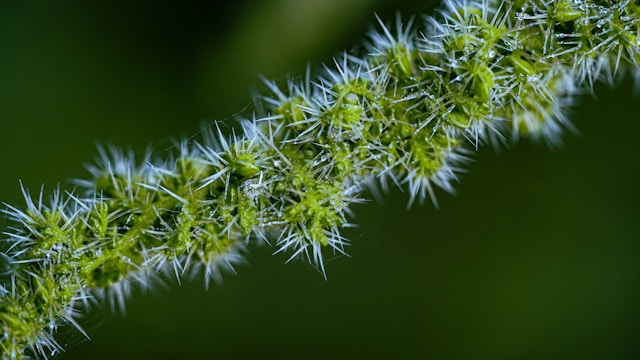
When ongoing stress leaves you feeling wired, depleted, and frayed at the edges, nettle and oatstraw are two of the most useful herbs to know. They are not sedatives, and they are not quick fixes. They are nourishing herbs that slowly restock the minerals stress burns through and help rebuild a frazzled nervous system over time. That makes them a quietly powerful part of recovering from the kind of stress that has been building for months.
A different kind of stress herb
Most stress herbs fall into two camps. Sedatives like valerian calm you in the moment, and adaptogens like ashwagandha help your body cope with pressure. Nettle and oatstraw do something else. Herbalists call them nourishing or restorative nervines, meaning they feed and rebuild the nervous system rather than sedate it or push it. Think of the difference between a strong cup of something to get through today and a nourishing meal that helps you recover over weeks. These are the nourishing meal.
That is exactly why they suit the "wired and tired" state so well. If you feel simultaneously exhausted and unable to relax, running on empty, and easily frazzled, nourishing herbs help refill the tank rather than squeeze more out of it.
Nettle: a multivitamin in plant form
Stinging nettle (Urtica dioica) is one of the most nutrient-dense plants you can eat or drink. Its leaves are loaded with minerals, including magnesium, calcium, iron, potassium, and silica, along with a range of vitamins. This matters for stress because a stressed body burns through minerals quickly, magnesium in particular, and running low on them shows up as fatigue, tension, and jangled nerves. Topping those reserves back up supports steadier energy and a calmer baseline.
Nettle has long been used as a spring tonic, a way to rebuild and re-energize the body. It is worth being honest that most of nettle's formal clinical research is in other areas, such as seasonal allergies and joint comfort, so its role in soothing frazzled nerves is best understood as nutritional and traditional rather than proven in trials. But as a gentle, food-like way to nourish a depleted system, it has stood the test of time.
Oatstraw and milky oats: food for the nerves
If one herb deserves the title of classic nerve restorative, it is oats (Avena sativa), the same plant behind your morning oatmeal. Used medicinally, it comes in two forms. Oat straw is the dried mature stalks and leaves, prized as a mineral-rich, pleasant daily infusion. Milky oats are the fresh, immature tops harvested at the "milky" stage, usually made into a tincture, and especially valued for rebuilding nerves worn down by long-term stress.
Traditionally, oats are the go-to for nervous exhaustion, that frayed, irritable, over-it feeling that comes from being stretched too thin for too long. Like nettle, oats are gentle and non-sedating, and the evidence is a mix of long traditional use and some early research on oat extracts for mood and mental sharpness. They will not knock you out or give you a jolt. They simply, slowly, help you feel more resourced.
How to use nettle and oatstraw
The traditional and most effective way to get the minerals out of these herbs is a long, nourishing infusion, which is stronger and steeped far longer than a normal cup of tea.
To make one, put about one ounce (a generous handful, roughly 30 grams) of dried nettle leaf, oat straw, or a mix of both into a quart jar. Fill it with just-boiled water, cover it, and let it steep for at least four hours or overnight. Strain, and drink it through the day, warm or cool. A quart a day, most days, is a classic restorative practice, and you tend to notice the benefit over a few weeks rather than a single evening.
Beyond the infusion, nettle is lovely cooked like spinach in soups, eggs, or a pesto, which neutralizes the sting, and milky oats are widely available as a tincture if you prefer drops to a jar of tea. These herbs also pair beautifully with the other stress herbs. A daily nettle and oatstraw infusion to nourish, an adaptogen like ashwagandha to build resilience, and a calming nervine like lemon balm in the evening make a well-rounded routine.
Safety and who should take care
Both are gentle, food-like herbs with excellent safety records, but a few notes are worth keeping in mind.
Nettle can act as a mild diuretic and may lower blood pressure and blood sugar, so if you take diuretics, blood pressure medication, or diabetes medication, check with your doctor first. It is also high in vitamin K, which matters if you take the blood thinner warfarin. If you are pregnant, use nettle leaf only with guidance from your provider. And handle the fresh plant with gloves, since it stings until it is dried or cooked.
Oats are very safe. The one thing to know is that although oats themselves do not contain gluten, they are often cross-contaminated with it during processing, so anyone with celiac disease should choose products labeled certified gluten-free.
One honest reminder ties it all together. Nourishing herbs help your body recover, but they work best alongside the basics that actually refill you: enough sleep, regular meals with plenty of minerals, and, where possible, easing the source of the stress itself.
The takeaway
Nettle and oatstraw are the herbs to reach for when stress has left you depleted rather than merely tense. They nourish and rebuild a frazzled nervous system slowly and gently, especially as a daily mineral-rich infusion, and they make a natural foundation to pair with adaptogens and calming herbs. Be consistent, give it a few weeks, and treat them as nourishment rather than a quick fix.
Sources
- Memorial Sloan Kettering Cancer Center, "Stinging Nettle" (About Herbs): https://www.mskcc.org/cancer-care/integrative-medicine/herbs/stinging-nettle
- Herbal Reality, "Oats (Avena sativa): Benefits, Safety, Use": https://www.herbalreality.com/herb/wild-oats/
- Herbal Academy, "Oats Benefits: Getting To Know Avena Sativa": https://theherbalacademy.com/blog/oats-benefits-getting-to-know-avena-sativa/
Frequently asked questions
What is the difference between oat straw and milky oats?
Both come from the oat plant, Avena sativa. Oat straw is the dried mature stalk and leaf, mineral-rich and ideal for a daily infusion. Milky oats are the fresh, immature tops picked at the milky stage, usually tinctured, and especially valued for rebuilding stress-worn nerves.
How long do nettle and oatstraw take to work?
They are nourishing rather than fast-acting, so you feel their benefit gradually over several weeks of consistent daily use, not within an hour. Think restoration, not instant calm.
Can you drink nettle and oatstraw tea every day?
Yes. Both are food-like and safe for daily use for most people, and a daily infusion is the traditional way to use them. Just mind the nettle cautions if you take blood pressure, diabetes, diuretic, or blood-thinning medication.
This article is for general wellness and educational purposes only and is not medical advice. Consult a qualified healthcare provider before using herbs — especially if you are pregnant, nursing, or taking medication.