Medically reviewed by the Sarv Health Team · Our editorial process
Healthy Menopause
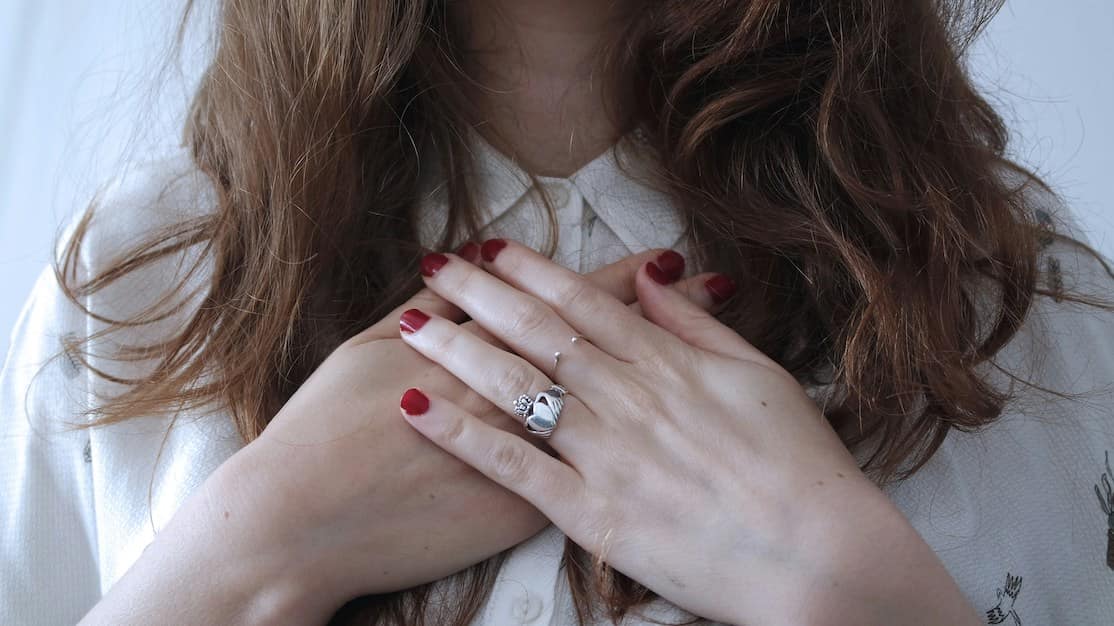
It's remarkable that despite women experiencing menopause throughout history, it's frequently treated as a medical issue or an abnormality requiring medical treatment in our time. Menopause is a natural phase of life, not an illness, and medical intervention should be considered an exception rather than the standard.
As menopause approaches, a woman undergoes significant hormonal shifts that can span several years. This transition starts years before menstruation ends and menopause sets in, marked by the ovaries ceasing to release a monthly egg and reducing estrogen production. Concurrently, there's a decrease in progesterone production, which had previously promoted the uterine lining's growth in anticipation of a fertilized egg. Adjusting to such extensive physiological changes is a considerable challenge, akin to the dramatic hormonal fluctuations experienced during puberty—a time we all recall vividly!
The symptoms of menopause often mirror those associated with adrenal fatigue, including nervous disorders, severe depression, irritability, fatigue, and erratic mood swings. With the onset of menopause, the adrenal glands step in to partially assume the ovaries' role, producing small quantities of estrogen, a process that continues until around the age of 70. However, due to stress and unhealthy dietary habits, many women's adrenal glands are significantly strained and weakened by the time they reach menopause. When the adrenals are exhausted and diminished, they fail to operate at their best, leading to adrenal fatigue and/or intensifying the symptoms of menopause.
Most women start undergoing menopause between the ages of 40 and 55, undergoing noticeable changes for anywhere from 6 months to 2 years. These changes are partly due to significant hormonal shifts occurring during this period. However, overall physical health and attitude play crucial roles in how well individuals adapt to these changes. Many unpleasant symptoms linked to menopause are often the result of what might be called 'ungraceful' aging, caused by poor dietary habits, stressful living, and a lack of physical activity. Interestingly, men in this age group can experience similar symptoms, indicating a male equivalent of menopause (a reality acknowledged by many women who have lived with men over the age of 40). For both genders, these symptoms can often be mitigated through improved nutrition, regular exercise, and positive lifestyle adjustments.
Six Essential Supplements for Menopause
- Calcium: Aids in preventing osteoporosis and other bone issues, along with reducing hot flashes. Sources: Almonds, amaranth, chickweed, comfrey, dandelion greens, dark-green leafy vegetables (like broccoli, chard, kale, mustard greens, spinach, turnip greens), High-Calcium Tea, horsetail, nettle, oatstraw, seaweed (hizike, kelp, wakame), sesame seeds and products, watercress, yogurt, and other cultured milk products.
- Dong quai: Serves as a uterine tonic and hormonal regulator, beneficial for nearly every gynecological issue. Also supports the circulatory system and is rich in minerals, especially iron. Sources: Consume 1/8 inch of the root or take 1/4 teaspoon of the tincture two or three times daily.
- Ginseng: Gradually builds life force, corrects long-term deficiencies and imbalances, provides stable energy, and helps eliminate mood swings and depression. Sources: Consume 1/4 inch of the root daily or take 1/4 teaspoon of the tincture twice daily.
- Iron: Essential for maintaining high energy and oxygen-rich blood. Iron deficiency can lead to exhaustion, fatigue, and stress. Sources: Alfalfa, apricots, beets and beet greens, blackstrap molasses, bran, cereal grains (especially oats), comfrey, eggs, Floradix Iron + Herbs, Herbal Iron Syrup, horsetail, nettle, parsley, raisins, seaweeds, spinach, sunflower seeds, tofu, watercress, wheat germ, whole grains, yellow dock root.
- Spirulina: Contains 55 to 70 percent protein, along with B vitamins for nervous system strength and gamma-linolenic acid for preventing degenerative diseases. Sources: Take 1 to 2 tablespoons of powder or 6 tablets daily.
- VitamIn E: Supports reproductive system health, specifically addressing hot flashes, muscle cramps, and vaginal dryness. Sources: Whole grains, cold-pressed oils, dark-green leafy vegetables, bee pollen, some nuts, and supplements during menopause (400 to 600 I.U. daily). Caution: Individuals with diabetes, rheumatic heart disease, or high blood pressure should consult a healthcare practitioner before exceeding 50 I.U. of Vitamin E daily.
Sources
- Rosemary Gladstar
This article is for general wellness and educational purposes only and is not medical advice. Consult a qualified healthcare provider before using herbs — especially if you are pregnant, nursing, or taking medication.