Medically reviewed by the Sarv Health Team · Our editorial process
Embracing a Holistic Path: Customized Approaches for Sustainable Obesity Management
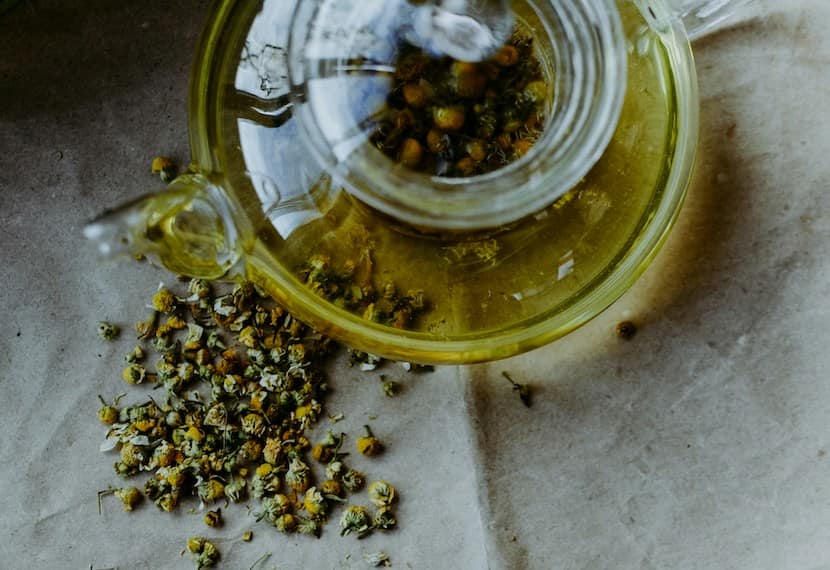
Obesity is a complex health condition characterized by an excessive amount of body fat, which poses significant risks to health and vitality. It is a global health concern that affects millions of individuals, contributing to a myriad of health issues and diminishing quality of life. This article delves into the root causes of obesity, its health implications, and explores various dietary, natural, and holistic approaches for effective management and alleviation.
The Health Risks of Obesity
Obesity significantly increases the risk of developing chronic diseases such as type 2 diabetes, cardiovascular diseases, certain types of cancer, and respiratory problems. It can also lead to metabolic syndrome, a cluster of conditions including high blood pressure, high blood sugar, excess body fat around the waist, and abnormal cholesterol levels, which further elevate the risk of heart disease. Moreover, obesity impacts mental health, contributing to conditions such as depression and anxiety, and can severely affect an individual's self-esteem and overall psychological well-being.
Root Causes and Contributing Factors
The causes of obesity are multifaceted and include genetic, environmental, psychological, and lifestyle factors. Genetically, individuals can inherit a predisposition to obesity, but environmental factors such as high-calorie diets, sedentary lifestyles, and lack of physical activity predominantly drive the condition. Psychological factors, including emotional eating and stress, also play a significant role in the development of obesity. Additionally, socioeconomic factors can affect access to healthy foods and opportunities for physical activity, further contributing to obesity rates.
The Role of Diet and Holistic Healthcare Approaches in Treating Obesity
Dietary changes are pivotal in managing obesity. A balanced diet rich in whole foods, such as fruits, vegetables, lean proteins, and whole grains, can help reduce calorie intake while providing essential nutrients. Reducing the consumption of processed foods, sugary beverages, and high-fat items is crucial for weight management. Portion control and mindful eating practices can also aid in reducing overall calorie consumption, helping individuals achieve and maintain a healthy weight. Beyond dietary changes, holistic healthcare approaches offer additional strategies for managing obesity. Regular physical activity is essential for burning calories, improving cardiovascular health, and enhancing mood. Incorporating activities such as walking, cycling, swimming, or yoga can make exercise more enjoyable and sustainable.
Stress management techniques, including meditation, deep breathing exercises, and mindfulness, can help address emotional eating by providing tools for coping with stress in healthier ways. Adequate sleep is also crucial; lack of sleep can disrupt hormonal balance, leading to increased appetite and weight gain.
Medicinal Herbs for Obesity Management
In the realm of natural health, various medicinal herbs have been explored for their potential benefits in managing obesity. These herbs, each with unique compounds and mechanisms, may offer supportive roles alongside conventional weight management strategies like diet and exercise. Here, we delve into the scientific underpinnings of several herbs that have garnered attention for their potential to assist in obesity management.
- Green tea extract, derived from the Camellia sinensis plant, is rich in polyphenols, including catechins, with epigallocatechin gallate (EGCG) being the most studied for its weight loss benefits. Research suggests that EGCG can enhance metabolic rate and increase fat oxidation. A meta-analysis published in the 'International Journal of Obesity' found that green tea extract could result in significant weight loss and help in maintaining weight loss. The proposed mechanisms include increased energy expenditure and fat burning, partly due to thermogenesis and partly due to reduced lipogenesis (fat storage).
- Garcinia cambogia, a tropical fruit also known as Malabar tamarind, contains an active ingredient called hydroxycitric acid (HCA). HCA is believed to aid in weight loss by blocking the enzyme citrate lyase, which the body uses to make fat. It may also raise levels of the brain chemical serotonin, which could make you feel less hungry. Studies on Garcinia cambogia offer mixed results, but some have shown modest weight loss benefits over short periods. However, its long-term effectiveness and safety remain subjects of ongoing research.
- Fenugreek (Trigonella foenum-graecum) is a herb whose seeds are commonly used in cooking and as a traditional remedy for various ailments, including diabetes and obesity. The seeds are high in soluble fiber, which can help control appetite by promoting a feeling of fullness and slowing down digestion, thus reducing overall calorie intake. A study published in the 'European Journal of Clinical Pharmacology' found that fenugreek seeds could significantly reduce fat intake and appetite, which can be beneficial for weight management.
- Ginger (Zingiber officinale) is well-known for its digestive and anti-inflammatory properties, but recent studies have also explored its potential in obesity management. Ginger may influence weight loss through mechanisms such as enhancing thermogenesis, increasing lipolysis (breaking down of fats), and suppressing appetite. A systematic review and meta-analysis of randomized controlled trials, published in 'Critical Reviews in Food Science and Nutrition,' highlighted ginger's potential to reduce body weight, waist-hip ratio, and fasting glucose levels. These effects are attributed to gingerols and shogaols, active compounds in ginger that may improve metabolic profiles.
While these herbs show promise, it's important to approach their use as part of a holistic strategy for obesity management that includes healthy eating, physical activity, and behavioral changes. The effectiveness of these herbs can vary from person to person, and their use should be tailored to individual health profiles and needs. Safety is also a paramount consideration. For instance, green tea extract, while beneficial, has been linked to liver toxicity in rare cases when consumed in high doses. Similarly, the long-term safety of Garcinia cambogia remains under scrutiny.
Sources
- Auvichayapat, P., et al. Effectiveness of green tea on weight reduction in obese Thais: A randomized, controlled trial, Physiology & Behavior, Volume 93, Issue 3, Pages 486-491, February 2008.
- Huang, J., et al. The anti-obesity effects of green tea in human intervention and basic molecular studies, European Journal of Clinical Nutrition, Volume 68, pages 1075–1087, 2014.
- Vasques, C.A., et al. Evaluation of the pharmacotherapeutic efficacy of Garcinia cambogia plus Amorphophallus konjac for the treatment of obesity, Phytotherapy Research, 2008.
- Vasques, C.A., et al. Hypolipemic Effect of Garcinia cambogia in Obese Women, Phytotherapy Research, 2013.
- Harper, S.L., et al. Garcinia cambogia for weight loss, American Journal of Health-System Pharmacy, Volume 75, Pages 17–22, January 2018.
- Rocha, A., et al. Green tea extract activates AMPK and ameliorates white adipose tissue metabolic dysfunction induced by obesity, European Journal of Nutrition, Volume 55, pages 2231–2244, 2016.
- Wolfram, S., et al. Anti-obesity effects of green tea: From bedside to bench, Molecular Nutrition and Food Science, 2006.
- Chantre, P., et al. Recent findings of green tea extract AR25 (Exolise) and its activity for the treatment of obesity, Phytomedicine, Volume 9, Issue 1, Pages 3-8 2002.
- Hsu, C.H., et al. Effect of green tea extract on obese women: A randomized, double-blind, placebo-controlled clinical trial, Clinical Nutrition, Volume 27, Issue 3, Pages 363-370, June 2008.
- Hoyo, A.R., et al. New Dietary Supplements for Obesity: What We Currently Know, Current Obesity Reports, Volume 5, pages 262–270, 2016.
- Wang, J., et al. Beneficial effects of ginger Zingiber officinale Roscoe on obesity and metabolic syndrome: a review, New York Academy of Sciences, 2017.
- Ma, R.U., et al. A recent update on the multifaceted health benefits associated with ginger and its bioactive components, Journal of Food and Function, 2021
- Tramontin, N., et al. Ginger and avocado as nutraceuticals for obesity and its comorbidities, Phytotherapy Research, January 2020.
- Attari, V., et al. A systematic review of the anti-obesity and weight lowering effect of ginger (Zingiber officinale Roscoe) and its mechanisms of action, Phytotherapy Research, January 2017.
- Chen, I.J., et al. Therapeutic effect of high-dose green tea extract on weight reduction: A randomized, double-blind, placebo-controlled clinical trial, Clinical Nutrition, Volume 35, Issue 3, Pages 592-599, June 2016.
This article is for general wellness and educational purposes only and is not medical advice. Consult a qualified healthcare provider before using herbs — especially if you are pregnant, nursing, or taking medication.