Medically reviewed by the Sarv Health Team · Our editorial process
A Guide to Managing Diabetes: Integrating Holistic and Conventional Approaches for Optimal Health
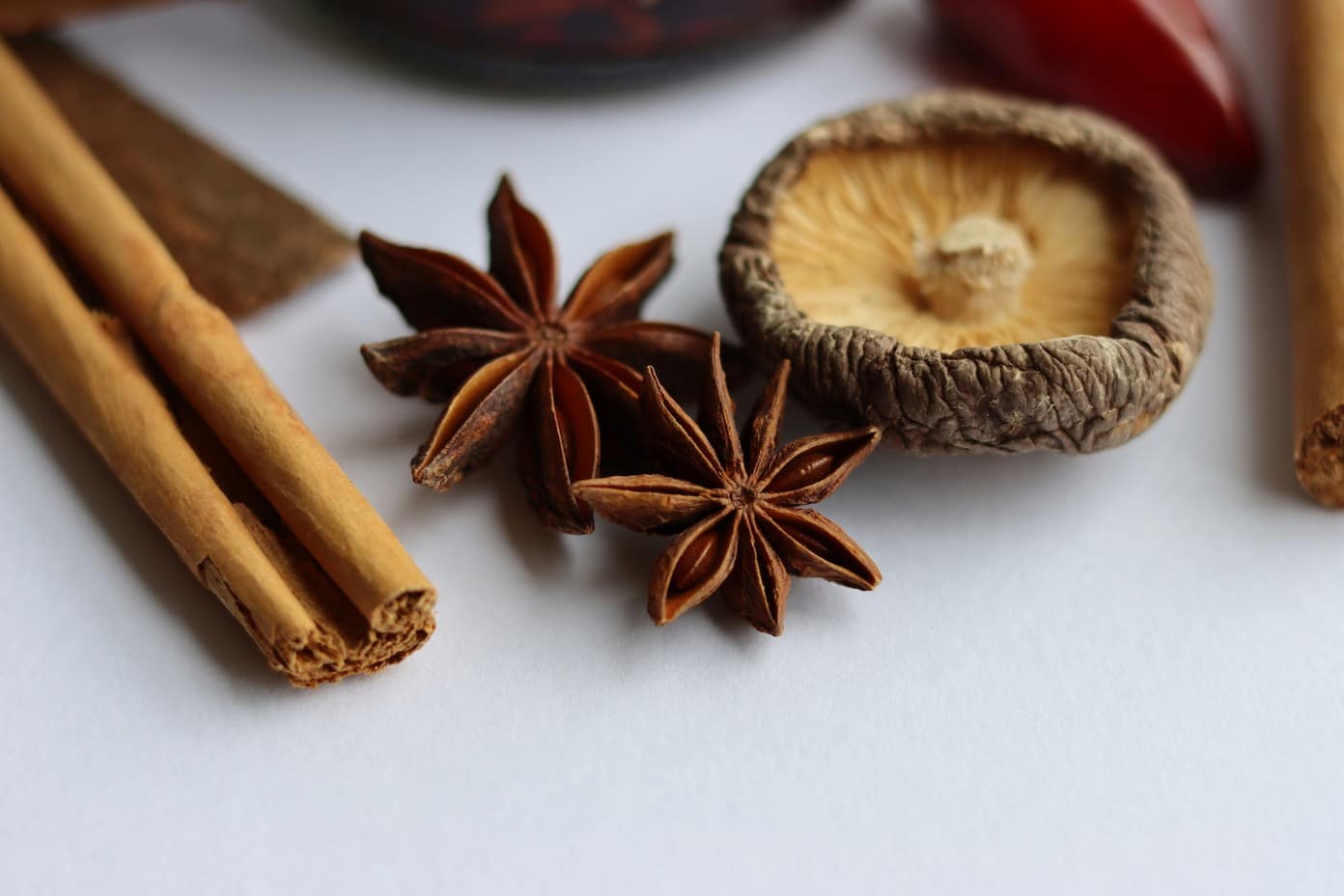
Diabetes stands as a global health concern, affecting individuals across all walks of life. This condition, marked by the body's inability to regulate blood sugar levels effectively, comes in various forms, each with its unique challenges and management strategies. Through a comprehensive exploration of diabetes, including its root causes, symptoms, and both traditional and holistic approaches to management, individuals can arm themselves with the knowledge necessary to navigate this condition with confidence and clarity.
The Root Causes of Diabetes
Diabetes manifests in primarily two forms: Type 1 and Type 2, each stemming from different causes and mechanisms within the body.
- Type 1 Diabetes: This autoimmune condition occurs when the body's immune system erroneously attacks the insulin-producing beta cells in the pancreas. While the exact cause remains a subject of ongoing research, factors including genetics and environmental triggers, such as viral infections, are thought to play significant roles.
- Type 2 Diabetes: More prevalent than Type 1, Type 2 diabetes arises from a combination of lifestyle factors and genetics. It develops through insulin resistance, where the body's cells do not respond effectively to insulin, and the pancreas cannot compensate with sufficient insulin production. Obesity, sedentary lifestyle, and a diet high in processed foods and sugars are significant contributors.
- Gestational Diabetes: Occurring during pregnancy, this form is characterized by insulin resistance brought on by hormonal changes, typically resolving after childbirth but increasing the risk of Type 2 diabetes later in life.
Embracing Natural Remedies and Foods for Holistic Management
Diet plays a pivotal role in the management of diabetes. Foods high in refined sugars and carbohydrates can cause rapid spikes in blood sugar levels, exacerbating insulin resistance and the progression of Type 2 diabetes. Conversely, a diet emphasizing whole foods, rich in fiber, and low in processed sugars can help maintain stable blood sugar levels and support overall health. In the quest for holistic management of diabetes, natural remedies and specific foods play a pivotal role. These solutions, rooted in centuries of traditional medicine, offer a complementary approach to conventional diabetes treatments. By understanding how certain herbs and dietary choices can influence blood sugar levels, individuals can make informed decisions to support their health. Let's delve deeper into the beneficial herbs mentioned and explore their active components and mechanisms in managing diabetes.
- Cinnamon: A Spice with Potent Antidiabetic Properties. Cinnamon is more than just a flavorful spice; it's been studied for its potential to lower blood sugar levels and improve insulin sensitivity. The active component in cinnamon, cinnamaldehyde, is thought to influence diabetes management by mimicking insulin, improving glucose uptake by cells, and enhancing insulin signaling pathways. Moreover, cinnamon may slow the digestion of carbohydrates in the small intestine, reducing the post-meal blood sugar spikes. Regular consumption of cinnamon, particularly Ceylon cinnamon (considered to be of higher quality and safety), can be a beneficial addition to a diabetes management plan.
- Fenugreek: Fiber-Rich Seeds for Blood Sugar Control. Fenugreek seeds are another powerful natural remedy for diabetes, primarily due to their high content of soluble fiber. This fiber can slow the absorption of carbohydrates and sugars from the gut, leading to a more gradual rise in blood sugar levels post-meals. Fenugreek also contains a unique amino acid, 4-hydroxyisoleucine, which may enhance insulin secretion and sensitivity. Incorporating fenugreek seeds into the diet, whether as a spice in cooking or as a supplement, can provide a natural method to help manage diabetes.
- Bitter Melon: Nature's Insulin Mimic. Bitter melon, with its distinctive bitter flavor, is a fruit that has been used traditionally in various cultures to treat diabetes. It contains several compounds, including charantin, vicine, and polypeptide-p, which collectively contribute to its blood glucose-lowering effects. These compounds are believed to act in ways similar to insulin, helping to reduce blood sugar levels by increasing glucose uptake and metabolism in the liver, muscle, and adipose tissue. Consuming bitter melon as part of a balanced diet or in supplement form may offer additional support for blood sugar management.
- Gymnema Sylvestre: The Sugar Destroyer. Gymnema Sylvestre, often referred to as the 'sugar destroyer,' has a long history of use in Ayurvedic medicine for controlling diabetes. The active components of Gymnema, gymnemic acids, are believed to help reduce sugar absorption in the intestine and may assist in stimulating insulin release from the pancreas. Additionally, these compounds can contribute to the regeneration of islet cells, potentially improving the body's capacity to produce insulin. Taking Gymnema Sylvestre as a supplement may aid in reducing blood sugar levels and diminishing sugar cravings, making it a valuable tool in diabetes management.
Understanding diabetes from a holistic perspective empowers individuals to take an active role in their health management. By combining dietary interventions, lifestyle changes, and natural remedies with conventional treatments, those living with diabetes can achieve a balanced and healthful life. The journey through diabetes is deeply personal and requires a tailored approach, underscoring the importance of collaboration between individuals and their healthcare teams to craft a plan that resonates with their unique needs and lifestyle preferences.
Sources
- Shang, C., et al. Beneficial effects of cinnamon and its extracts in the management of cardiovascular diseases and diabetes, Royal Society of Chemistry, November 2021.
- Bandara, T., et al. Bioactivity of cinnamon with special emphasis on diabetes mellitus: A review, International Journal of Food Sciences and Nutrition, 2012.
- Zare, R., et al. Efficacy of cinnamon in patients with type II diabetes mellitus: A randomized controlled clinical trial, Clinical Nutrition, Volume 38, Issue 2, April 2019, Pages 549-556.
- Allen, R.W., et al. Cinnamon Use in Type 2 Diabetes: An Updated Systematic Review and Meta-Analysis, The Annals of Family Medicine September 2013, 11 (5) 452-459.
- Mang, B., et al. Effects of a cinnamon extract on plasma glucose, HbA1c, and serum lipids in diabetes mellitus type 2, European Journal of Clinical Investigation, April 2006.
- Alam Khan, A., et al. Cinnamon Improves Glucose and Lipids of People With Type 2 Diabetes, Diabetics Care, Volume 26, Issue 12, 2003.
- Yin, R.V., The effect of bitter melon (Mormordica charantia) in patients with diabetes mellitus: a systematic review and meta-analysis, Nutrition and Diabetes, 2014.
- Tan, S.P., et al. Bitter melon (Momordica charantia L.) bioactive composition and health benefits: A review, International Journal of Food Reviews, 2016.
- Harper, S.L. Fenugreek use in patients with diabetes mellitus, American Journal of Health-System Pharmacy, Volume 70, Issue 14, Pages 1196–1203, July 2013.
- Saddam, A., et al. Role of Fenugreek in the prevention of type 2 diabetes mellitus in prediabetes, Journal of Diabetes & Metabolic Disorders, Volume 14, article number 74, 2015.
- Fuangchan, A., et al. Hypoglycemic effect of bitter melon compared with metformin in newly diagnosed type 2 diabetes patients, Journal of Ethnopharmacology, Volume 134, Pages 422-428, March 2011.
- Kim, S.K., et al. Hypoglycemic efficacy and safety of Momordica charantia (bitter melon) in patients with type 2 diabetes mellitus, Complementary Therapies in Medicine, Volume 52, August 2020.
- Zuñiga, L.Y., et al. Effect of Gymnema sylvestre Administration on Metabolic Syndrome, Insulin Sensitivity, and Insulin Secretion, Journal of Medicinal Food.Aug 2017.
- Tiwari, P., et al. Gymnema sylvestre for Diabetes: From Traditional Herb to Future’s Therapeutic, Current Pharmaceutical Design, Volume 23, Number 11, 2017.
- Neelakantan, N., et al. Effect of fenugreek (Trigonella foenum-graecumL.) intake on glycemia: a meta-analysis of clinical trials, Nutrition Journal, Volume 13, 2014.
- Nagulapalli Venkata, K.C., et al. A small plant with big benefits: Fenugreek (Trigonella foenum-graecum Linn.) for disease prevention and health promotion, Volume 61, Molecular Nutrition and Food Research, 2017.
- Baset, S.M., et al. Anti-diabetic effects of fenugreek (Trigonella foenum-graecum): A comparison between oral and intraperitoneal administration - an animal study, International Journal of Functional Nutrition, 2020.
- Kassaian, N., et al. Effect of Fenugreek Seeds on Blood Glucose and Lipid Profiles in Type 2 Diabetic Patients, International Journal for Vitamin and Nutrition Research, Vol. 79, 2013.
- Lucas, E.A., et al. Health Benefits of Bitter Melon (Momordica charantia), Bioactive Foods in Promoting Health, Pages 525-549, 2010.
This article is for general wellness and educational purposes only and is not medical advice. Consult a qualified healthcare provider before using herbs — especially if you are pregnant, nursing, or taking medication.