Medically reviewed by the Sarv Health Team · Our editorial process
Finding Inner Peace Amidst Chaos: Practical Tips for Maintaining Balance
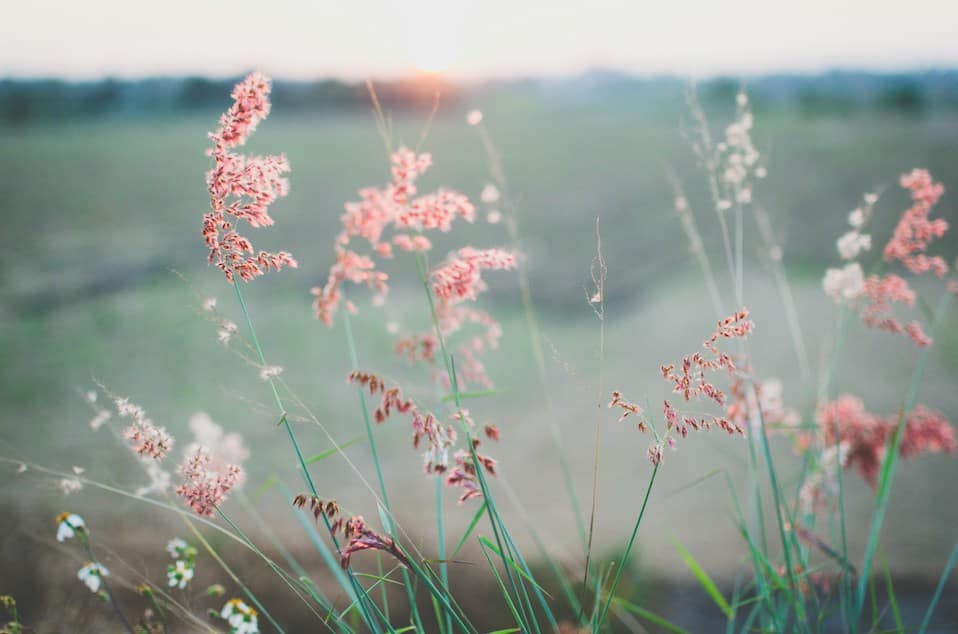
In our quest for equilibrium, harmony, and a peaceful coexistence with our surroundings, we often find ourselves at odds with the world's inherent disorder, longing for a swift return to a state of calm. Despite the tumultuous environment, it is entirely possible to stay present, engaged, and yet maintain a serene and centered disposition. Achieving this balance, even in the most hectic lifestyles, is attainable through straightforward, common-sense approaches and a consistent routine aimed at preserving this inner calm.
Understanding the link between our nervous system and the external world is a crucial first step. Equipping ourselves with knowledge about the right foods and practices that nourish and strengthen our nervous system is invaluable. Identifying personal havens of tranquility amidst turmoil is equally critical. A plethora of natural therapies exists to bolster the health and energy of our nervous system. Incorporating herbs, a balanced diet, and whole food supplements into our daily regimen can significantly aid in navigating towards that ideal state of calm, especially when used alongside other treatments for nervous system care.
Optimizing Nervous System Health: Diet, Herbs, and Avoidances
Unhealthy eating patterns and dietary imbalances are significant contributors to nervous system issues, particularly those related to stress and anxiety. Conversely, a balanced diet is foundational for nurturing a healthy nervous system. Such a diet should focus on alkalizing foods, including fresh sprouts, high-quality proteins, whole grains, green leafy and root vegetables, cultured dairy products, citrus fruits like lemons and grapefruits, and a variety of seeds and nuts.
Enhancing Diet with Calcium
Known for its importance in bone health, calcium is also vital for proper nerve function, aiding in the reduction of nervousness, irritability, and insomnia. While commonly found in our diet, sources like seaweed, cultured dairy products, and dark-green leafy vegetables provide more digestible forms of calcium than milk. Seaweeds, in particular, are a rich source of calcium, often overlooked in Western diets.
During periods of high stress or when addressing nervous system disorders, incorporating a calcium supplement or high-calcium herbs into your diet can be beneficial. Herbs such as amaranth, chickweed, and nettle are excellent natural calcium sources.
Foods to Avoid:
To maintain nervous system health, certain foods and substances should be minimized or avoided. These include chocolate, which historically was consumed infrequently and without sugar; caffeine-rich foods and beverages, which can overstimulate and lead to adrenal exhaustion; sugars and sweets, which provide a quick energy burst followed by a crash, contributing to mood disorders; and alcohol, which can depress the nervous system further and deplete it of essential nutrients.
In summary, a focus on nutrient-rich, calming foods and herbs, along with the avoidance of certain stress-inducing substances, can significantly enhance nervous system health and overall well-being. This holistic approach not only supports the nervous system but also promotes a more balanced and healthy lifestyle.
Sources
- A Rastogi, S Shukla. Amaranth: a new millennium crop of nutraceutical values, Critical reviews in food science and nutrition, 2013.
- Gladstar, R., 2008. Herbal Recipes for Vibrant Health, Storey Publishing.
- MO Jimoh, AJ Afolayan, FB Lewu, Therapeutic uses of Amaranthus caudatus L. 2019.
- A Ganjare, N Raut, Nutritional and medicinal potential of Amaranthus spinosus, Journal of Pharmacognosy and Phytochemistry, 2019.
- V Rafajlovska, Z Kavrakovski, Determination of protein and mineral contents in stinging nettle, Quality of Life, 2013.
- LK Rutto, Y Xu, E Ramirez, M Brandt, Mineral Properties and Dietary Value of Raw and Processed Stinging Nettle (Urtica dioica L.), International journal of food, 2013.
- KN Jan, K Zarafshan, S Singh, Stinging nettle (Urtica dioica L.): a reservoir of nutrition and bioactive components with great functional potential, Journal of Food Measurement and Characterization, 2017.
This article is for general wellness and educational purposes only and is not medical advice. Consult a qualified healthcare provider before using herbs — especially if you are pregnant, nursing, or taking medication.