Amla
Phyllanthus emblica (Emblica officinalis) · Phyllanthaceae
Reviewed by The Sarv Health Team · Updated June 29, 2026 · Our editorial process
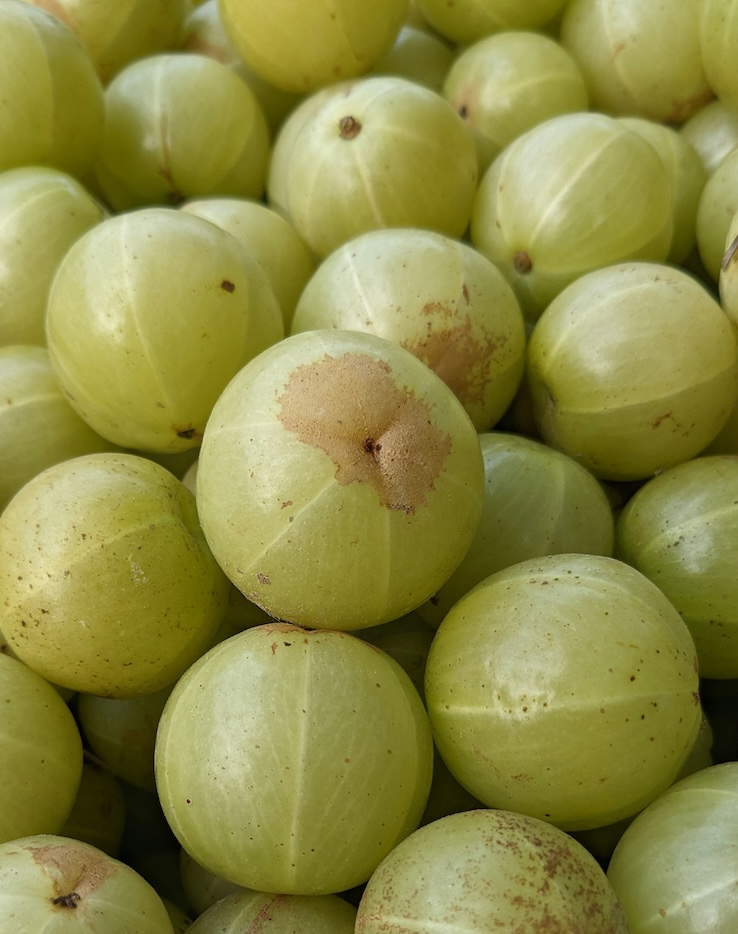
Amla, known in Ayurveda as amalaki, is one of the most revered rejuvenative fruits in Indian medicine and a key ingredient in the famous formula triphala and the tonic chyawanprash. It is among the richest natural sources of vitamin C and antioxidants, which it retains remarkably well, making it a powerful tonic for immunity, healthy aging, and protection from oxidative stress. Classified as sour and cooling, amla is used to balance excess heat and acidity, support healthy digestion, soothe hyperacidity, and gently cleanse and tone the digestive tract. It is also a classic tonic for the hair, skin, eyes, and liver, traditionally used to strengthen hair, brighten the complexion, and support liver function. As a tridoshic rasayana it nourishes and balances the whole body. Cooling, nourishing, and rich in antioxidants, amla is treasured as a daily rejuvenative for immunity, digestion, hair, skin, and longevity.
Medicinal Uses
Amla, known in Ayurveda as amalaki, is one of the most important rejuvenative fruits in Indian traditional medicine. It is a central ingredient in the renowned formula triphala and the classic tonic jam chyawanprash, and it is celebrated as a tridoshic rasayana, meaning it nourishes and balances all three doshas. It is classified as predominantly sour in taste and cooling in nature.
A foremost medicinal use of amla is as an immune and antioxidant tonic. It is among the richest natural sources of vitamin C, and notably retains much of this content even when dried or processed. Together with its tannins and flavonoids, this makes amla a powerful support for the immune system and a strong protector against the oxidative stress associated with aging and chronic disease.
Amla is also a classic digestive remedy. Its cooling, sour quality helps balance excess heat and acidity, and it is traditionally used to soothe hyperacidity and heartburn, support healthy digestion and absorption, and gently cleanse and tone the digestive tract, particularly as part of triphala.
The fruit is further treasured as a tonic for the hair, skin, eyes, and liver. It is traditionally used to strengthen and darken hair, support a clear complexion, brighten the eyes, and support healthy liver function and detoxification.
Rich in vitamin C, emblicanin tannins, gallic acid, and flavonoids, amla offers antioxidant, immune-supporting, and tonic effects that underlie its many traditional uses. Cooling, nourishing, and gentle enough for daily use, amla is treasured as a rejuvenative for immunity, digestion, hair, skin, and longevity.
Benefits
Boosts immunity, provides rich vitamin C and antioxidants, protects against oxidative stress, supports healthy digestion, soothes hyperacidity and heartburn, gently cleanses the digestive tract, strengthens hair, supports clear skin and bright eyes, supports liver function, promotes healthy aging
How to Use & Dosage
Eat 1-2 fresh amla fruits daily, or take as juice (15-30 ml).
1/2 to 1 teaspoon (3-6 grams) of amla powder, taken 1-2 times daily in water, juice, or honey.
500-1500 mg per day, divided into 1-2 doses.
2-4 ml (about 40-80 drops), taken 2-3 times daily.
More Info
Frequently asked questions
What is Amla used for?
Amla, known in Ayurveda as amalaki, is one of the most important rejuvenative fruits in Indian traditional medicine. It is a central ingredient in the renowned formula triphala and the classic tonic jam chyawanprash, and it is celebrated as a tridoshic rasayana, meaning it nourishes and balances all three doshas. It is classified as predominantly sour in taste and cooling in nature.
What are the benefits of Amla?
Boosts immunity, provides rich vitamin C and antioxidants, protects against oxidative stress, supports healthy digestion, soothes hyperacidity and heartburn, gently cleanses the digestive tract, strengthens hair, supports clear skin and bright eyes, supports liver function, promotes healthy aging
How do you take Amla?
Common preparations include fruit, powder, capsules, tincture. See the dosage guidance above, and consult a qualified practitioner for amounts suited to you.
This information is for general wellness and educational purposes only and is not medical advice. Consult a qualified healthcare provider before using any herb — especially if you are pregnant, nursing, or taking medication.
Learn more — more Liver and Detoxification herbs