Medically reviewed by the Sarv Health Team · Our editorial process
What Is a Medicinal Herb?
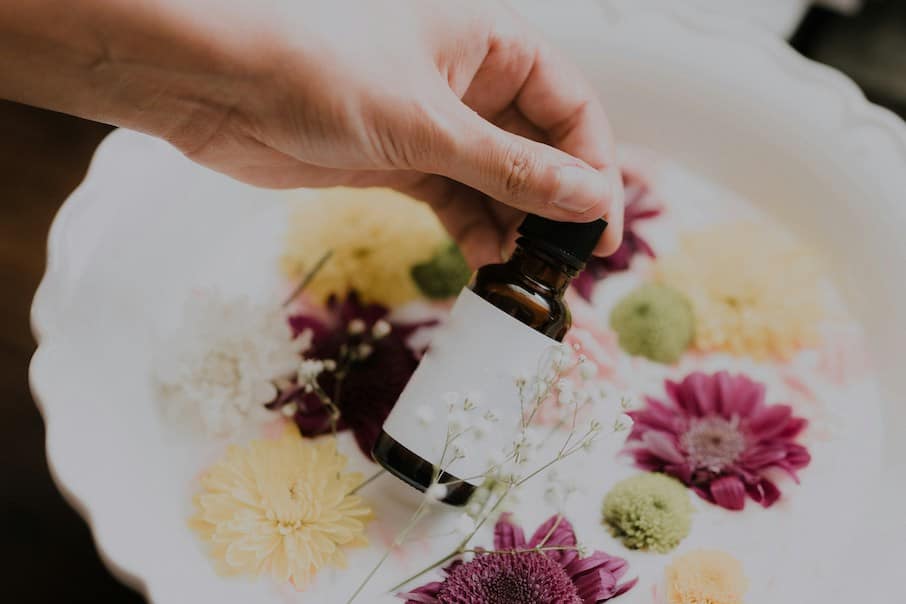
If you've been incorporating herbs into your meals, you're already engaging with the basics of herbal medicine. Common herbs and spices used in cooking are highly regarded for their medicinal properties. Similarly, if you enjoy interspersing herbs for their fragrance and aesthetic appeal within your vegetable and flower gardens, you're essentially applying principles of herbal medicine.
Herbs like lavender, thyme, sage, basil, rosemary, mint, yarrow, and peppermint, commonly found in gardens, are well-known for their healing properties and have a rich history of being utilized in various forms such as teas, salves, poultices, and tinctures for therapeutic purposes. A look inside your refrigerator might reveal additional herbal remedies like horseradish, an excellent treatment for sinus infections, and cabbage, known for its effectiveness as a poultice in treating shingles and hives.
You might question whether some of these are actually herbs or vegetables. From a botanical standpoint, an herb is defined as a plant with a soft, non-woody stem. Yet, in the realm of herbal medicine, the term 'herb' broadly encompasses any plant with healing capabilities. Herbalism is a traditional practice shaped by centuries of human interaction and necessity, naturally leading to the use of readily available resources, whether from the kitchen or the garden, for health purposes. Many everyday plants continue to be among the most favored remedies for treating common health issues.Therefore, you might already be an unwitting practitioner of home-based herbal healing without even realizing it.
How Is Herbal Medicine Used?
While traditional or mainstream medicine excels in handling acute, life-threatening conditions and is unparalleled in its life-saving capabilities, herbal medicine serves as the go-to remedy within the household. It proves most beneficial for a wide range of non-critical health issues encountered daily, including minor injuries, everyday aches and pains, headaches, common colds, fevers, coughs, and ongoing ailments.
Beyond merely treating diseases, the true value of plants lies in their preventative capacity. Herbs, being nutrient-dense, stand out as the ultimate preventative healthcare, enhancing our body's natural defense mechanisms against disease-causing agents. But how exactly do they achieve this?
Medicinal plants are not only packed with vital nutrients crucial for human health but also contain unique chemical compounds that support and strengthen our immune system. Consuming these plants makes our bodies more robust and resilient, mirroring the durability and vigor of hardy weeds that withstand everything from continuous trimming to harsh chemical treatments.
This article is for general wellness and educational purposes only and is not medical advice. Consult a qualified healthcare provider before using herbs — especially if you are pregnant, nursing, or taking medication.