Medically reviewed by the Sarv Health Team · Our editorial process
Digestive Bitters: What They Are and How to Use Them
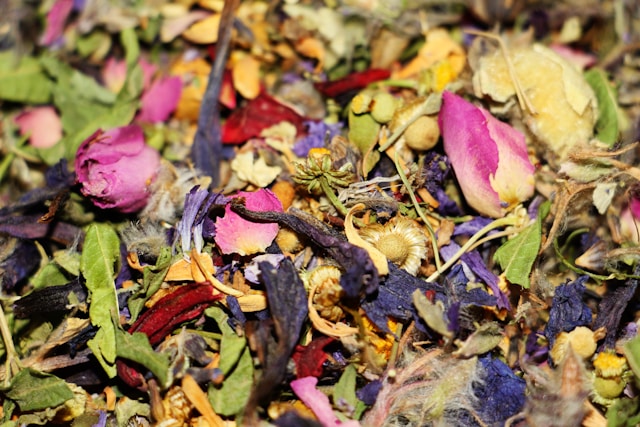
Digestive bitters are bitter-tasting herbal preparations, usually taken as a few drops in water before a meal, that use the bitter flavor itself to switch on your digestion. That simple bitter signal tells your stomach, pancreas, liver, and gut to get ready for food, which can ease bloating, gas, and that heavy, sluggish feeling after eating. They are one of the oldest and simplest tools in herbal medicine, and they are having a well-deserved comeback.
What are digestive bitters?
Bitters are exactly what they sound like: preparations made from bitter herbs, most often as an alcohol tincture or a small bitter tonic. Bitter is one of the basic tastes, alongside sweet, sour, salty, and savory, but it has quietly disappeared from modern eating. We have bred bitterness out of our vegetables and drowned it in sugar, and some herbalists suspect that missing bitter flavor is part of why sluggish digestion is so common. Cultures around the world have long bookended meals with bitter drinks, the aperitif before and the digestif after, for exactly this reason.
How digestive bitters work
The magic is in the taste, not just the herbs. When bitter compounds land on the bitter receptors on your tongue, they set off what is sometimes called the cephalic phase of digestion, a kind of wake-up call that runs ahead of the food itself. In plain terms, the bitter signal prompts your body to produce more saliva, more stomach acid, more digestive enzymes from the pancreas, and more bile from the gallbladder, and it encourages the muscular waves that move food along.
Why does that help? When your stomach has enough acid and your body releases enzymes and bile on cue, food gets broken down more completely. Better breakdown means less of it sits around fermenting, which is what produces gas, bloating, and heaviness. Bile released for fat digestion also helps with richer meals. Interestingly, bitter receptors have been found not only on the tongue but throughout the gut, which fits the traditional understanding that the whole digestive tract responds to bitterness.
It is worth being honest here. The physiology behind bitters is well grounded and the traditional track record is long, but rigorous modern clinical trials are still limited. So the sensible way to think about bitters is as gentle, supportive digestive helpers rather than a proven treatment for any specific condition.
What digestive bitters can help with
People typically use bitters for the everyday complaints that come from sluggish or incomplete digestion:
- Bloating, gas, and a heavy, overfull feeling after meals
- Sluggish digestion and mild indigestion
- Low or poor appetite, since bitters gently stimulate it
- Support for digesting rich, fatty meals
Common bitter herbs
Most bitters blend a truly bitter base with a few aromatic herbs that add flavor and their own anti-gas action.
The classic bitter herbs include gentian, which is intensely bitter and the traditional cornerstone of most formulas, along with dandelion root and leaf, burdock, artichoke leaf, wormwood, and angelica. These are usually paired with warming, aromatic "carminative" herbs such as ginger, fennel, cardamom, cinnamon, and orange peel, which make the blend taste better and help settle gas. Gentian plus dandelion, rounded out with ginger and citrus peel, is a time-tested combination.
How to use digestive bitters
Using bitters well comes down to timing and one important rule. For sluggish digestion, take your bitters about 10 to 15 minutes before a meal, so digestion is primed by the time you eat. For bloating or heaviness after a rich meal, you can also take them afterward. A typical amount is a dropperful or two of tincture in a small amount of water, or a few sips of a bitter tonic.
The one rule that matters most: you have to actually taste the bitterness. The whole effect starts on your tongue, so do not mask it completely. A little water is fine, but drowning the bitters in juice defeats the purpose. That momentary grimace is the medicine working.
How to make your own digestive bitters
Bitters are simple to make at home. This is a balanced starter blend that pairs a bitter base with aromatics and citrus. Combine in a clean jar:
- 2 parts dried dandelion root
- 1 part dried gentian root (it is strong, so keep it modest)
- 1 part dried orange or lemon peel
- 1 part dried ginger
- Half a part fennel seed
- Optional: a small piece of cinnamon or a few cardamom pods
Cover the herbs completely with 80-proof vodka or brandy, seal the jar, and keep it somewhere cool and dark. Shake it daily for two to four weeks, then strain out the herbs and bottle the liquid. Take a dropperful in a little water before meals. If you prefer to avoid alcohol, you can make a vegetable-glycerine version instead, though the alcohol tincture is the traditional and usually stronger option.
Safety and who should avoid bitters
Bitters are gentle for most people, but because they increase stomach acid and stimulate bile, a few groups should be careful.
- Active stomach ulcers, acute gastritis, or significant acid reflux. More stomach acid can worsen these, and gentian in particular is not recommended with ulcers or high stomach acid. Avoid bitters or use them only with professional guidance.
- Pregnancy. Skip strong bitters like gentian and wormwood, which can stimulate the uterus.
- Gallstones or a blocked bile duct. Because bitters get the gallbladder moving, check with your doctor first.
- Avoiding alcohol. Tinctures contain alcohol, so choose a glycerite version if that is a concern.
- Medications. By changing stomach acid and timing, bitters can affect how some drugs are absorbed, so ask your pharmacist if you take regular medication.
One honest note to close on. Bitters are a lovely support for everyday digestive comfort, but ongoing symptoms such as persistent pain, frequent reflux, unexplained weight loss, or any blood are reasons to see a doctor rather than reach for an herbal remedy.
The bottom line
Digestive bitters are a small, time-tested habit with a real physiological basis: a bitter taste before meals that primes your whole digestive system to do its job. For everyday bloating and sluggish digestion, a few drops before eating is an easy thing to try, as long as you actually taste the bitterness and keep the safety notes in mind.
Sources
- Rupa Health, "Should You Use Herbal Bitters for Digestion?": https://www.rupahealth.com/post/should-you-use-herbal-bitters-for-digestion
- McMullen et al. (2015), "Bitters: Time for a New Paradigm" (PMC / bitter taste receptors and digestion): https://pmc.ncbi.nlm.nih.gov/articles/PMC4446506/
- Volpe, "Bitter Herbs for Digestion: How to Get Started" (functional dietitian and clinical herbalist): https://wholeisticliving.com/2022/05/28/bitter-herbs-for-digestion/
Frequently asked questions
When should I take digestive bitters?
The classic timing is about 10 to 15 minutes before a meal, so your digestion is primed before food arrives. You can also take them after a heavy meal to relieve bloating and fullness.
Do digestive bitters actually work?
There is a strong physiological rationale and centuries of traditional use behind them. The bitter taste genuinely triggers digestive secretions like stomach acid and bile. Rigorous clinical trials are limited, though, so it is best to see bitters as supportive for everyday digestion rather than a cure for any condition.
Can everyone take digestive bitters?
Most healthy adults can, but avoid them if you have an active stomach ulcer, acute gastritis, or bad acid reflux, since they raise stomach acid. Also avoid strong bitters in pregnancy, and check with your doctor if you have gallstones.
This article is for general wellness and educational purposes only and is not medical advice. Consult a qualified healthcare provider before using herbs — especially if you are pregnant, nursing, or taking medication.