Medically reviewed by the Sarv Health Team · Our editorial process
How to Make a Bedtime Sleep Tea
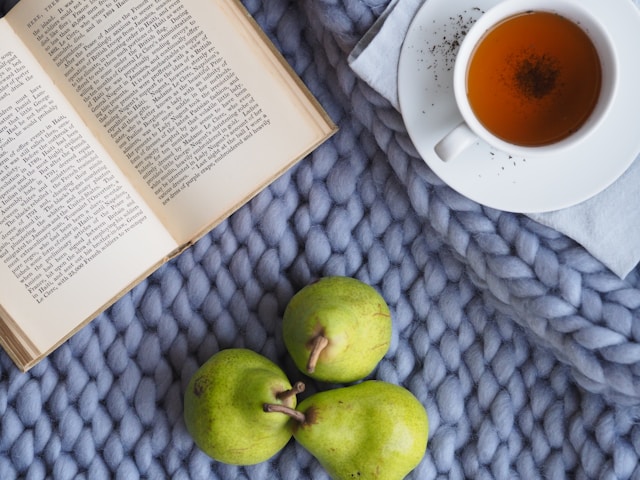
A good bedtime tea does two things at once: the warm, familiar ritual tells your body it is time to wind down, and the herbs themselves gently calm the nervous system. This recipe uses a blend of chamomile, lemon balm, and passionflower, with a whisper of lavender, for a tea that tastes pleasant and helps quiet both body and mind. It is naturally caffeine-free, easy to make, and simple to adjust to your needs.
The recipe
This makes a balanced blend you can mix ahead and keep in a jar. The measurements are given in "parts" so you can scale it to any batch size. One part can be a tablespoon for a small jar or a quarter cup for a big one.
Sleep tea blend (dried herbs):
- 3 parts chamomile flowers
- 2 parts lemon balm leaf
- 1 part passionflower (leaf and flower)
- Half a part lavender flowers
Mix the dried herbs together and store the blend in an airtight jar, away from heat and light. It keeps well for several months.
To brew a cup:
- Add 1 to 2 teaspoons of the blend to a mug or tea infuser.
- Pour over about 8 ounces of just-boiled water.
- Cover the mug and steep for 5 to 10 minutes. Covering it matters more than people think, because it traps the aromatic oils that would otherwise drift off in the steam, and those oils are part of the calming effect.
- train, and sweeten with a little honey if you like.
Drink it about 30 to 60 minutes before bed. A small practical tip: do not leave it until the last minute, or a full cup of liquid may wake you for a bathroom trip later. Sipping it a little earlier, as part of winding down, works better.
Why these herbs
Each herb earns its place, and together they cover both a busy mind and a tense body.
- Chamomile is the gentle, slightly apple-sweet base. It is a mild relaxant that has been the classic bedtime tea for generations.
- Lemon balm adds a bright, lemony note and a calming, mood-lifting quality that suits an anxious, wound-up evening.
- Passionflower is the one that helps quiet mental chatter, which is why it is so useful for the overthinking kind of sleeplessness.
- Lavender, used sparingly, brings a soothing aroma and a calming effect of its own. A little goes a long way, since too much turns the tea soapy.
Easy variations
Adjust the base blend to match the night you are having.
- For a racing mind. Bump the lemon balm and passionflower up to 2 parts each, and keep the lavender. This leans the blend toward calming mental chatter.
- For a stronger, sleepier tea. Add 1 part valerian or half a part hops to the blend. Both are more strongly sedating, so start small. Fair warning that valerian and hops smell earthy and a little musty, so you may want extra honey or a slice of ginger. Do not use this stronger version with alcohol or sedative medication, and do not drive afterward.
- For a caffeine-free everyday cup. The base recipe is already caffeine-free, since these are herbs rather than true tea from the Camellia sinensis plant. It is gentle enough to enjoy most evenings.
- For a caffeine-free everyday cup. The base recipe is already caffeine-free, since these are herbs rather than true tea from the Camellia sinensis plant. It is gentle enough to enjoy most evenings.
A few safety notes
This is a gentle tea, but a few sensible cautions apply. If you are pregnant or breastfeeding, check with your doctor first, since several of these herbs are not established as safe in pregnancy. If you take sedatives, sleep or anti-anxiety medication, or any prescription drug, ask your pharmacist about interactions, and skip the stronger valerian or hops version alongside them. People with a ragweed allergy sometimes react to chamomile, which is in the same plant family, so go carefully the first time. For children, get guidance from a qualified practitioner rather than improvising, and never give honey to a baby under one year old. Finally, buy good-quality organic herbs from a source you trust, since freshness and purity make a real difference in both taste and effect.
And keep the bigger picture in mind. A bedtime tea works best as part of a calm wind-down routine, not as a rescue at the end of a stimulating night. If insomnia lasts more than a few weeks, that is worth a conversation with your doctor.
Enjoy the ritual
Half the benefit of a bedtime tea is the pause it creates. Making a cup, letting it steep, and sipping it slowly signals to your body that the day is closing. Pair this blend with dimmed lights and a little less screen time, and you have a simple, pleasant habit that helps you drift off.
Sources
- Kim et al. (2024), "Herbal and Natural Supplements for Improving Sleep: A Literature Review," Psychiatry Investigation: https://www.psychiatryinvestigation.org/journal/view.php?doi=10.30773%2Fpi.2024.0121
- NCCIH, "Valerian: Usefulness and Safety": https://www.nccih.nih.gov/health/valerian
- NCCIH, "6 Tips: How Herbs Can Interact With Medicines": https://www.nccih.nih.gov/health/tips/tips-how-herbs-can-interact-with-medicines
Frequently asked questions
What is the best herbal tea for sleep?
A blend usually beats a single herb. Chamomile as a base, with lemon balm and passionflower, covers both a tense body and a busy mind. For a stronger, sleepier tea, a little valerian or hops can be added, keeping the safety notes in mind.
When should I drink sleep tea?
About 30 to 60 minutes before bed, as part of winding down. Drinking it a little earlier rather than right at bedtime helps you avoid waking up later for the bathroom.
Can I drink bedtime sleep tea every night?
The gentle base blend of chamomile, lemon balm, and passionflower is mild enough for regular evening use for most people. If you add stronger sedatives like valerian or hops, those are better used occasionally, and anyone on medication or who is pregnant should check with a professional first.
This article is for general wellness and educational purposes only and is not medical advice. Consult a qualified healthcare provider before using herbs — especially if you are pregnant, nursing, or taking medication.