Wild indigo
Baptisia tinctoria · Fabaceae
Reviewed by The Sarv Health Team · Updated June 29, 2026 · Our editorial process
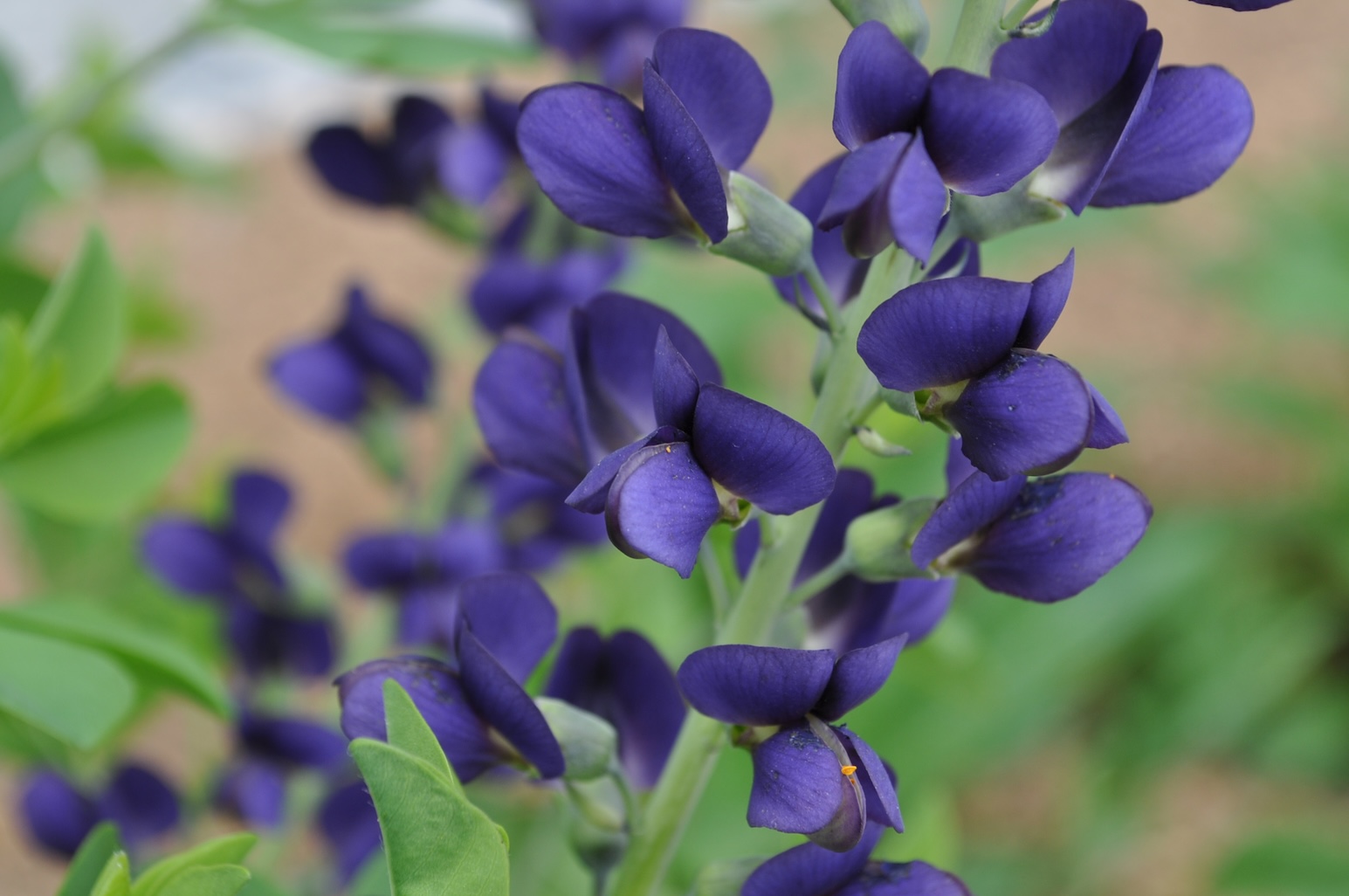
Wild indigo is a North American plant whose root was used by Native American peoples and Western herbalists as a powerful remedy for infection and for stimulating the immune system. Classified as bitter and cooling, it is a classic antimicrobial and immune-stimulating herb, traditionally reserved for acute infections, especially those affecting the mouth, throat, and lymphatic system. It is a noted remedy for sore throats, tonsillitis, mouth ulcers, gum infections, and swollen lymph nodes, often combined with echinacea for stubborn or septic infections. Applied externally, it is used as a wash for infected wounds, ulcers, and inflamed skin. Wild indigo is a strong herb used in small doses and for short periods. Its alkaloids and other compounds underlie its antimicrobial and immune-stimulating effects. Stimulating and antiseptic, wild indigo is treasured as a remedy for acute infections of the throat, mouth, and lymph.
Medicinal Uses
Wild indigo is a North American plant with bright yellow flowers, whose root was used by several Native American peoples and was later adopted by Western herbalists, especially the Eclectic physicians, as a potent remedy for infection. It is classified as bitter and cooling and is regarded as a strong, low-dose herb.
The foremost medicinal use of wild indigo is as an antimicrobial and immune stimulant for acute infections. It is traditionally reserved for active, established infections rather than for general prevention, and is particularly associated with infections of the mouth, throat, and lymphatic system. It is a classic remedy for sore throats, tonsillitis, pharyngitis, mouth ulcers, gum infections, and swollen, tender lymph nodes.
Because of its strong action on infection and the lymphatic system, wild indigo is frequently combined with echinacea and other immune herbs for stubborn, septic, or spreading infections, where it helps stimulate the body's defenses and clear toxicity.
Applied externally, wild indigo is used as a gargle for sore and infected throats and mouths, and as a wash or compress for infected wounds, ulcers, boils, and inflamed skin, drawing on its antiseptic, cleansing action.
Wild indigo contains alkaloids, isoflavones, and polysaccharides that underlie its antimicrobial and immune-stimulating effects. It is a potent herb used in small doses and for short courses rather than long-term use, and is avoided in pregnancy. Stimulating and antiseptic, wild indigo is treasured as a remedy for acute infections of the throat, mouth, and lymphatic system.
Benefits
Stimulates the immune system, fights acute infections, eases sore throat and tonsillitis, helps with mouth ulcers and gum infections, supports the lymphatic system, reduces swollen lymph nodes, cleanses infected wounds and skin (externally), supports the body in clearing infection
How to Use & Dosage
0.5-1 ml (about 10-20 drops), taken 2-3 times daily for short courses.
Simmer 1/2 teaspoon of dried wild indigo root in water for 10-15 minutes. Drink up to 1 small cup daily for short periods.
Use a cooled decoction as a gargle for sore throat or as an external wash for infected skin.
More Info
Frequently asked questions
What is Wild indigo used for?
Wild indigo is a North American plant with bright yellow flowers, whose root was used by several Native American peoples and was later adopted by Western herbalists, especially the Eclectic physicians, as a potent remedy for infection. It is classified as bitter and cooling and is regarded as a strong, low-dose herb. The foremost medicinal use of wild indigo is as an antimicrobial and immune stimulant for acute infections.
What are the benefits of Wild indigo?
Stimulates the immune system, fights acute infections, eases sore throat and tonsillitis, helps with mouth ulcers and gum infections, supports the lymphatic system, reduces swollen lymph nodes, cleanses infected wounds and skin (externally), supports the body in clearing infection
How do you take Wild indigo?
Common preparations include tincture, decoction, gargle or wash. See the dosage guidance above, and consult a qualified practitioner for amounts suited to you.
This information is for general wellness and educational purposes only and is not medical advice. Consult a qualified healthcare provider before using any herb — especially if you are pregnant, nursing, or taking medication.
Learn more — more Pain Management herbs