Shepherd's purse
Capsella bursa-pastoris · Brassicaceae
Reviewed by The Sarv Health Team · Updated June 29, 2026 · Our editorial process
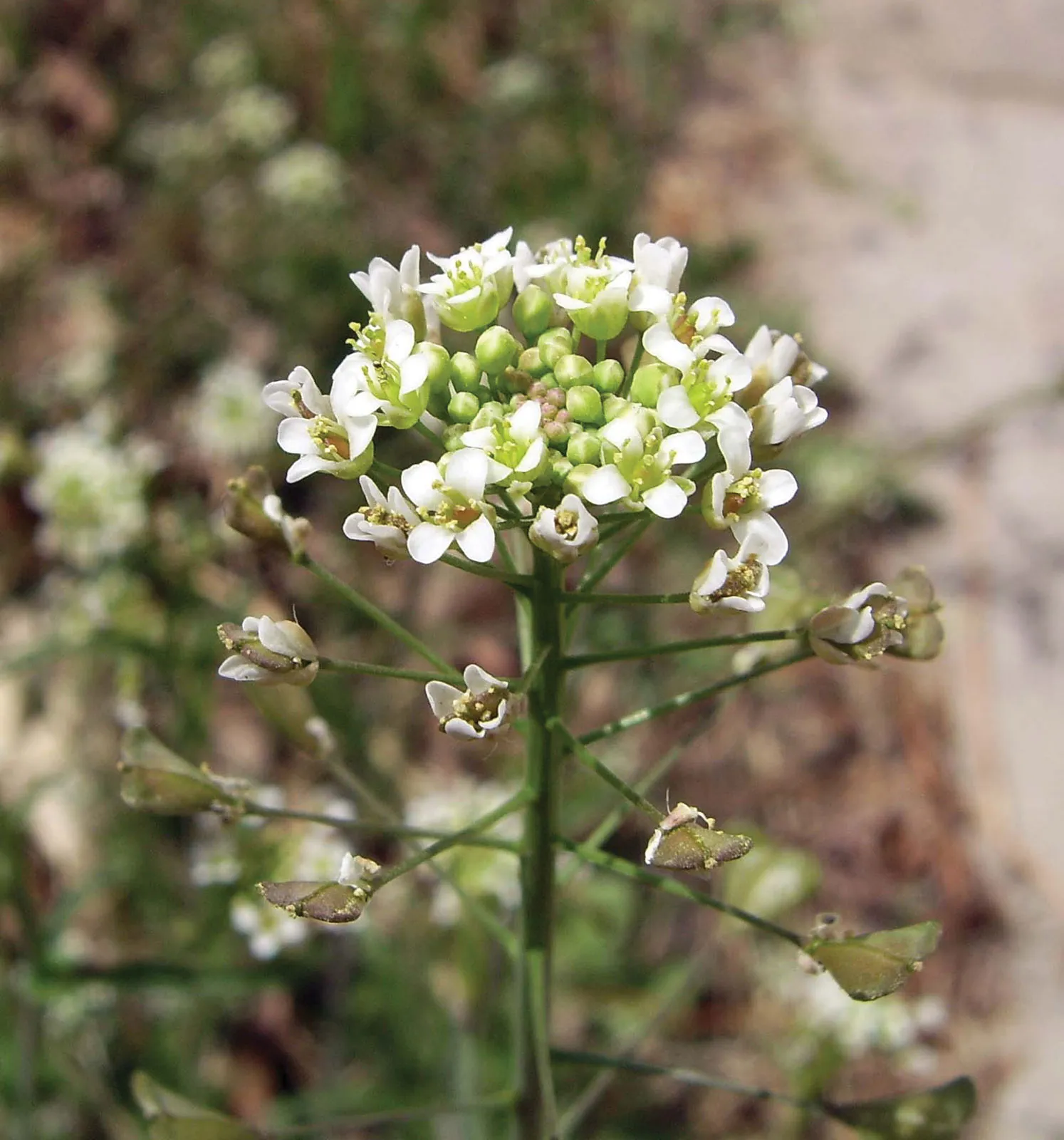
Shepherd's purse is a common wayside plant, named for its heart-shaped seed pods, that has been used since antiquity as one of the foremost herbs for stopping bleeding. Classified as astringent and cooling, its primary and most famous use is as a hemostatic, traditionally taken to slow or stop excessive bleeding of many kinds, especially heavy or prolonged menstrual bleeding. It is a classic women's remedy for menorrhagia and postpartum bleeding, and is also used for nosebleeds, blood in the urine, and other minor internal and external bleeding. Beyond its action on the blood, shepherd's purse is a mild urinary remedy and helps tone the bladder, and its astringency is used to ease diarrhea. Its flavonoids and other compounds support its astringent, blood-staunching effects. Astringent and toning, shepherd's purse is treasured as a remedy for heavy menstrual bleeding, minor hemorrhage, and urinary support.
Medicinal Uses
Shepherd's purse is a humble but widespread plant of fields, paths, and waste ground, easily recognized by its small heart- or purse-shaped seed pods. Despite its commonness, it has been valued since the time of the ancient Greeks as one of the most reliable herbs for controlling bleeding. It is classified as astringent and cooling.
The foremost medicinal use of shepherd's purse is as a hemostatic, an herb that helps slow or stop bleeding. It is most famous as a women's remedy for excessive menstrual bleeding, used traditionally for heavy, prolonged, or flooding periods (menorrhagia) and for postpartum bleeding, where it helps tone the uterus and reduce blood loss. It is often taken at the first sign of heavy flow.
The herb is also used more broadly for minor bleeding of many kinds, including nosebleeds, bleeding from the urinary tract, and minor internal and superficial bleeding, reflecting its general astringent, blood-staunching action.
Shepherd's purse additionally has a traditional role as a mild urinary remedy. It is used to tone and support the bladder and to help with conditions such as blood in the urine and irritable bladder, and its astringency is also used to help check diarrhea.
Shepherd's purse contains flavonoids, peptides, and other compounds that support its astringent and hemostatic effects on the blood vessels and uterus. Because of its action on the uterus, it is used for heavy bleeding but avoided during pregnancy except around childbirth under guidance. Astringent and toning, shepherd's purse is treasured as a remedy for heavy menstrual bleeding, minor hemorrhage, and urinary support.
Benefits
Helps stop excessive bleeding, reduces heavy and prolonged menstrual bleeding, supports recovery from postpartum bleeding, eases nosebleeds and minor bleeding, helps with blood in the urine, tones the bladder, supports the urinary tract, helps check diarrhea
How to Use & Dosage
300-1000 mg per day, divided into doses.
Steep 1-2 teaspoons of dried shepherd's purse in hot water for 10-15 minutes. Drink up to 3 cups daily during heavy bleeding.
2-4 ml (about 40-80 drops), taken 2-3 times daily, or more frequently for acute bleeding.
More Info
Frequently asked questions
What is Shepherd's purse used for?
Shepherd's purse is a humble but widespread plant of fields, paths, and waste ground, easily recognized by its small heart- or purse-shaped seed pods. Despite its commonness, it has been valued since the time of the ancient Greeks as one of the most reliable herbs for controlling bleeding. It is classified as astringent and cooling.
What are the benefits of Shepherd's purse?
Helps stop excessive bleeding, reduces heavy and prolonged menstrual bleeding, supports recovery from postpartum bleeding, eases nosebleeds and minor bleeding, helps with blood in the urine, tones the bladder, supports the urinary tract, helps check diarrhea
How do you take Shepherd's purse?
Common preparations include capsules, infusion, tincture. See the dosage guidance above, and consult a qualified practitioner for amounts suited to you.
This information is for general wellness and educational purposes only and is not medical advice. Consult a qualified healthcare provider before using any herb — especially if you are pregnant, nursing, or taking medication.
Learn more — more Pain Management herbs