Saffron
Crocus sativus · Iridaceae
Reviewed by The Sarv Health Team · Updated July 6, 2026 · Our editorial process
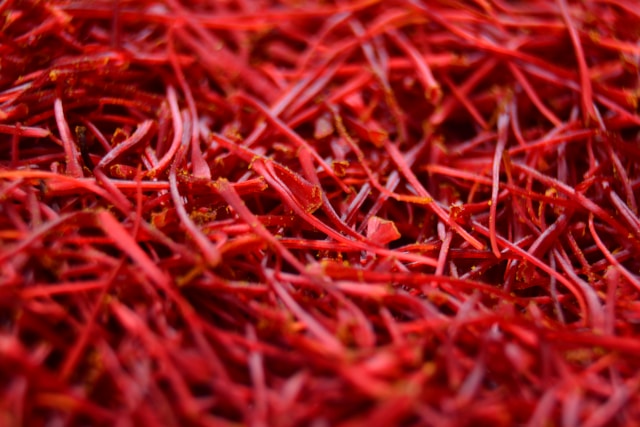
Saffron is the dried crimson stigmas of the saffron crocus and, by weight, the most expensive spice in the world, requiring tens of thousands of hand-picked flowers to yield a single pound. Beyond its use as a prized culinary and coloring spice, it has a long medicinal history across Persian, Ayurvedic, and Mediterranean traditions and is now one of the best-studied herbs for mood. A growing body of clinical research supports its use as a gentle antidepressant and mood elevator, easing low mood, anxiety, and the symptoms of PMS. Its carotenoid pigments, crocin and crocetin, along with the aromatic safranal, are potent antioxidants that support eye health and are studied for protecting the retina in age-related macular degeneration. Saffron also shows anti-inflammatory and anticancer activity and is traditionally used to aid digestion and calm menstrual discomfort. Warming and uplifting, saffron is treasured as a remedy for mood, the eyes, and vitality.
Medicinal Uses
Saffron is harvested from the three delicate red stigmas found within each flower of Crocus sativus, gathered entirely by hand, which accounts for its extraordinary value. Long treasured in Persian, Mediterranean, Ayurvedic, and traditional Chinese medicine, it is valued as warming, aromatic, and uplifting, and its therapeutic power comes from carotenoid compounds such as crocin and crocetin, the bitter glycoside picrocrocin, and the volatile compound safranal.
The most researched medicinal use of saffron is for mood and emotional wellbeing. A substantial body of clinical study supports its use as a gentle, natural antidepressant, helping to lift low mood and ease mild to moderate depression and anxiety, with some trials comparing favorably to conventional approaches. It is also widely used to relieve the emotional and physical symptoms of premenstrual syndrome (PMS).
Saffron is a notable ally for eye health. Its antioxidant carotenoids help protect the retina from oxidative stress, and it is actively studied for slowing the progression of age-related macular degeneration and supporting vision and retinal function.
The spice is a powerful antioxidant more broadly, helping to neutralize free radicals and reduce inflammation throughout the body. Research also points to anticancer activity, with crocin and crocetin shown to inhibit the growth of various cancer cells, making saffron of interest as a supportive agent.
Traditionally, saffron has also been used to aid digestion, ease menstrual cramps and irregularity, act as a mild aphrodisiac and tonic, and support healthy skin. Because it is so potent, it is used in very small amounts, and large doses are avoided, particularly in pregnancy. Warming and uplifting, saffron is cherished as a remedy for mood, the eyes, and overall vitality.
Benefits
Elevates mood and eases mild to moderate depression, reduces anxiety, relieves PMS symptoms, supports eye and retinal health, may slow age-related macular degeneration, provides powerful antioxidant protection, reduces inflammation, shows anticancer activity, aids digestion, eases menstrual discomfort, supports skin and vitality
How to Use & Dosage
About 30 mg per day is commonly used in studies for mood; culinary use is a pinch per dish.
28-30 mg of standardized saffron extract per day, divided into doses.
Steep a small pinch (about 15-20 stigmas) in hot water or warm milk for 5-10 minutes. Drink 1 cup daily.
Use as directed by a qualified practitioner.
More Info
Frequently asked questions
What is Saffron used for?
Saffron is harvested from the three delicate red stigmas found within each flower of Crocus sativus, gathered entirely by hand, which accounts for its extraordinary value. Long treasured in Persian, Mediterranean, Ayurvedic, and traditional Chinese medicine, it is valued as warming, aromatic, and uplifting, and its therapeutic power comes from carotenoid compounds such as crocin and crocetin, the bitter glycoside picrocrocin, and the volatile compound safranal. The most researched medicinal use of saffron is for mood and emotional wellbeing.
What are the benefits of Saffron?
Elevates mood and eases mild to moderate depression, reduces anxiety, relieves PMS symptoms, supports eye and retinal health, may slow age-related macular degeneration, provides powerful antioxidant protection, reduces inflammation, shows anticancer activity, aids digestion, eases menstrual discomfort, supports skin and vitality
How do you take Saffron?
Common preparations include powder, capsules, infusion, tincture. See the dosage guidance above, and consult a qualified practitioner for amounts suited to you.
This information is for general wellness and educational purposes only and is not medical advice. Consult a qualified healthcare provider before using any herb — especially if you are pregnant, nursing, or taking medication.
Learn more — more Pain Management herbs