Rehmannia
Rehmannia glutinosa · Orobanchaceae
Reviewed by The Sarv Health Team · Updated June 29, 2026 · Our editorial process
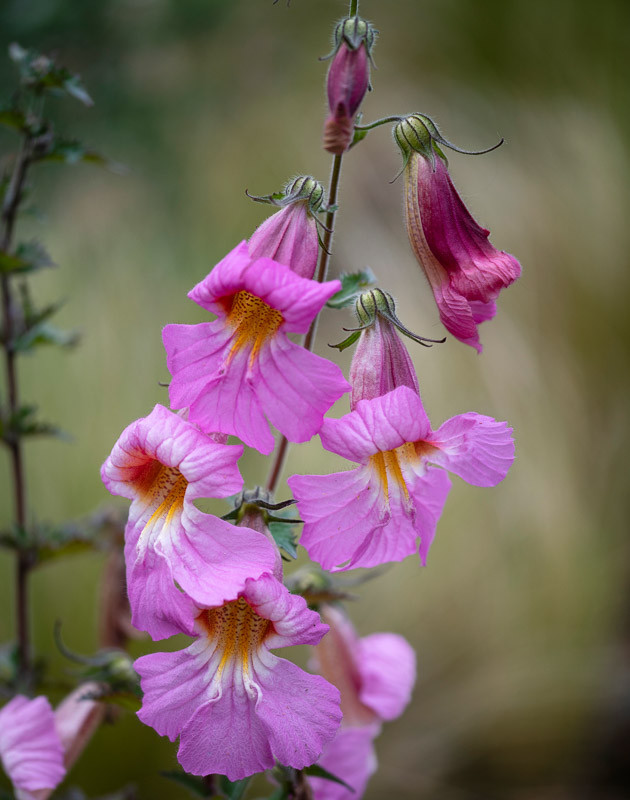
Rehmannia is a cornerstone kidney and blood tonic in Traditional Chinese medicine, appearing in many classical longevity and restorative formulas. The root is used in two forms: the raw root (sheng di huang), which is cooling and used to clear heat and nourish fluids, and the prepared root (shu di huang), which is warming and deeply nourishing to the blood and kidney essence. Rehmannia is traditionally used to replenish vital essence, support healthy aging, and address symptoms of depletion such as fatigue, dizziness, low back pain, night sweats, and ringing in the ears. It nourishes the blood, supports reproductive and hormonal health, and is valued for supporting the adrenal and endocrine systems. Rich in iridoid glycosides such as catalpol, it offers protective and anti-inflammatory effects. Rehmannia is a foundational deep tonic for the kidneys, blood, and vitality.
Medicinal Uses
Rehmannia is one of the most important tonic herbs in Traditional Chinese medicine and is the principal ingredient in many classical kidney-nourishing formulas. The root is used in two distinct forms, each with different properties. The raw root, sheng di huang, is sweet and cold and is used to clear heat from the blood, cool the body, and nourish depleted fluids. The prepared (steamed) root, shu di huang, is sweet and slightly warm and is a deeply nourishing tonic for the blood and kidney essence.
The prepared root's primary medicinal use is to replenish vital essence (jing) and nourish the blood. It is traditionally used for patterns of kidney and blood deficiency that present as fatigue, dizziness, weak and aching lower back and knees, night sweats, ringing in the ears, and premature aging. It is a key herb for supporting healthy aging and constitutional strength.
Rehmannia also supports reproductive and hormonal health. It is used in formulas for menstrual irregularities, fertility, and the transitions of menopause, and it is regarded as supportive of the adrenal and endocrine systems during times of depletion and stress.
The raw root is used differently, to address conditions of heat, such as fevers, excessive thirst, and bleeding associated with heat in the blood, while simultaneously protecting the body's fluids.
Rich in iridoid glycosides such as catalpol, rehmannia also offers anti-inflammatory and protective effects on the kidneys and other tissues. Whether used raw or prepared, it remains a foundational deep tonic for the kidneys, blood, and overall vitality.
Benefits
Replenishes vital essence, nourishes the blood, strengthens the kidneys, relieves fatigue, dizziness, and weak lower back, eases night sweats and ringing in the ears, supports reproductive and hormonal health, supports the adrenal system, clears heat (raw form), provides anti-inflammatory and protective effects
How to Use & Dosage
1/2 to 1 teaspoon (1-3 grams) of root powder, taken 1-2 times daily.
1000-3000 mg per day, divided into 1-2 doses.
2-4 ml (about 40-80 drops), taken 2-3 times daily.
Simmer 9-30 grams of dried rehmannia root in water for 30-45 minutes. Drink 1-2 cups daily.
More Info
Frequently asked questions
What is Rehmannia used for?
Rehmannia is one of the most important tonic herbs in Traditional Chinese medicine and is the principal ingredient in many classical kidney-nourishing formulas. The root is used in two distinct forms, each with different properties. The raw root, sheng di huang, is sweet and cold and is used to clear heat from the blood, cool the body, and nourish depleted fluids.
What are the benefits of Rehmannia?
Replenishes vital essence, nourishes the blood, strengthens the kidneys, relieves fatigue, dizziness, and weak lower back, eases night sweats and ringing in the ears, supports reproductive and hormonal health, supports the adrenal system, clears heat (raw form), provides anti-inflammatory and protective effects
How do you take Rehmannia?
Common preparations include powder, capsules, tincture, decoction. See the dosage guidance above, and consult a qualified practitioner for amounts suited to you.
This information is for general wellness and educational purposes only and is not medical advice. Consult a qualified healthcare provider before using any herb — especially if you are pregnant, nursing, or taking medication.
Learn more — more Pain Management herbs