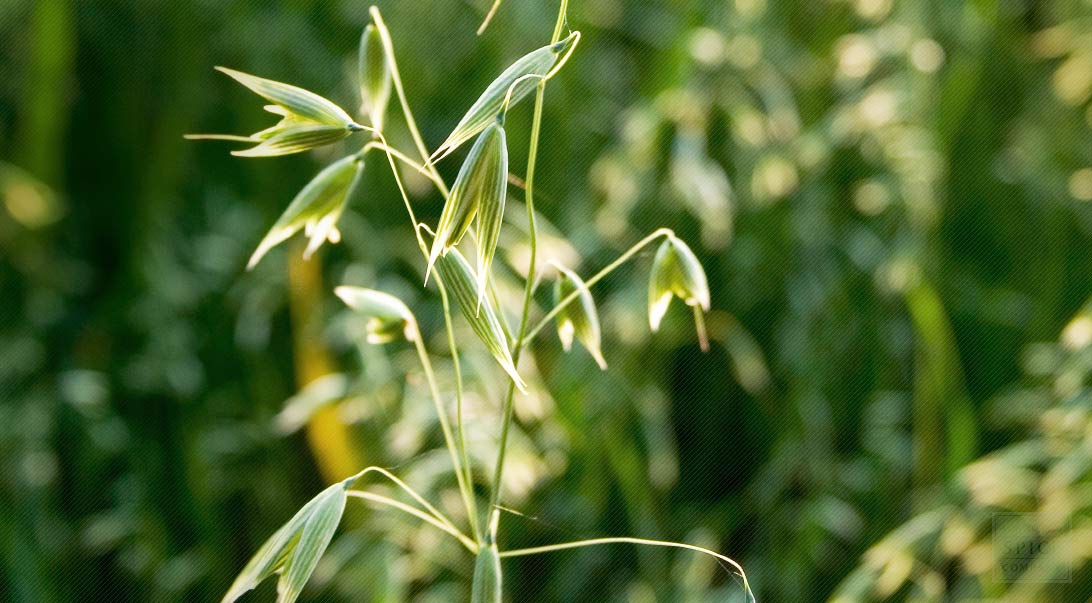
Purple loosestrife
Lythraceae
Reviewed by The Sarv Health Team · Our editorial process

Purple loosestrife is effective in treating infectious bowel issues, including dysentery and bacteria-caused diarrhea. It's safe even for infants with diarrhea, and breastfeeding mothers can also consume it. The plant is beneficial in reducing and healing inflammatory bowel disorders, such as Crohn's disease. It has a positive impact on the kidneys and bladder, improving their overall function due to its affinity for mucous membranes. Additionally, purple loosestrife is used to address various vision problems, from cloudiness to reduced vision capability and eye injuries. In general, it's regarded as safe for consumption.
Medicinal Uses
Purple loosestrife, known for its natural antibiotic and astringent properties, is effective in addressing infectious bowel issues like dysentery and bacterial-induced diarrhea. It is considered safe for infants in small doses, typically a teaspoon, and breastfeeding mothers can consume up to 3 cups per day to aid in cases of diarrhea.
The herb is particularly valued for its ability to reduce and heal inflammatory bowel disorders without dehydrating the tissues. By forming a protective layer, purple loosestrife helps soothe and repair the inflamed tissues, making it beneficial for conditions such as Crohn's disease, inflammatory bowel disease, and other similar disorders.
Its affinity for mucous membranes extends to the kidneys and bladder, where purple loosestrife exerts tonic actions to enhance function and health in these organs.
Furthermore, purple loosestrife has been traditionally used to improve vision problems, including cloudiness and reduced visual acuity, and to aid in the healing of eye injuries.
Generally, purple loosestrife is considered safe for use, offering a wide range of health benefits, particularly for digestive, urinary, and visual health.
Benefits
helps clear dysentery and diarrhea, reduces and heals inflammatory bowel disorders, improves kidney and bladder function, improves vision
How to Use & Dosage
Create an eye wash by using 3 teaspoons per pint of water. Let it steep for 1 to 4 hours and strain it. Rinse your eyes with 1 ounce of this solution several times per day.
Take 1 or 2 dropperfuls of tincture 1 to 3 times per day.
To make a decoction, use 3 teaspoons of the substance per 12 ounces of water. Simmer it for 8 to 10 minutes with the pot covered, and you can have 1 to 3 cups per day.
More Info
Frequently asked questions
What is Purple loosestrife used for?
Purple loosestrife, known for its natural antibiotic and astringent properties, is effective in addressing infectious bowel issues like dysentery and bacterial-induced diarrhea. It is considered safe for infants in small doses, typically a teaspoon, and breastfeeding mothers can consume up to 3 cups per day to aid in cases of diarrhea. The herb is particularly valued for its ability to reduce and heal inflammatory bowel disorders without dehydrating the tissues.
What are the benefits of Purple loosestrife?
helps clear dysentery and diarrhea, reduces and heals inflammatory bowel disorders, improves kidney and bladder function, improves vision
How do you take Purple loosestrife?
Common preparations include eye wash, tincture, decoction. See the dosage guidance above, and consult a qualified practitioner for amounts suited to you.
This information is for general wellness and educational purposes only and is not medical advice. Consult a qualified healthcare provider before using any herb — especially if you are pregnant, nursing, or taking medication.
Learn more — more Pain Management herbs