Poria
Wolfiporia extensa (Poria cocos) · Polyporaceae
Reviewed by The Sarv Health Team · Updated June 29, 2026 · Our editorial process
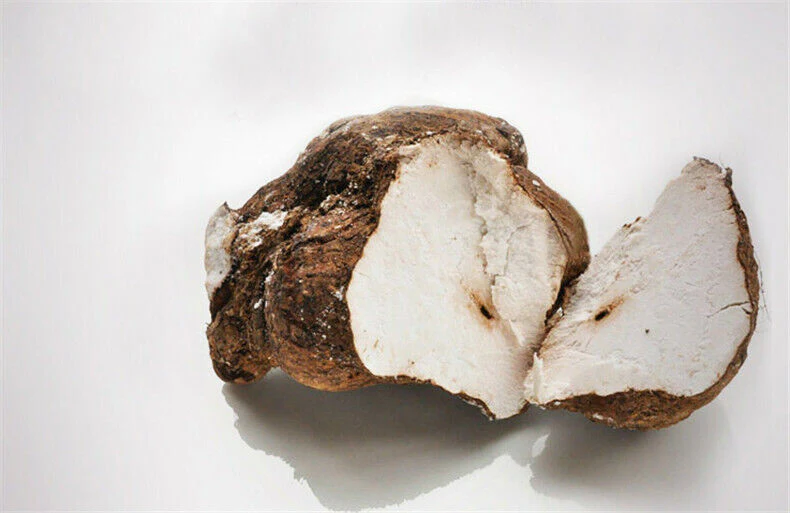
Poria is a subterranean fungus that has been a cornerstone of Traditional Chinese medicine for over two thousand years, appearing in more classical formulas than almost any other remedy. Growing as a dense underground sclerotium, usually around the roots of pine trees, it is valued as a gentle, harmonizing tonic that drains excess dampness from the body while strengthening digestion. In Chinese medicine it is the premier herb for resolving water retention and edema, acting as a mild diuretic that relieves swelling and bloating without depleting the body. Poria is equally esteemed for calming the spirit, easing anxiety, restlessness, and insomnia, especially when these are linked to an overburdened digestion. As a spleen and stomach tonic it improves appetite, eases loose stools, and supports steady energy. Its polysaccharides also support immune balance, and it offers mild anti-inflammatory benefits. Mild, balancing, and well tolerated, poria is prized as a tonic for digestion, fluid balance, and a calm, settled mind.
Medicinal Uses
Poria has been used for more than two millennia in Traditional Chinese medicine, where it is known as fu ling and appears in a vast number of classical formulas. It grows as a hard, underground sclerotium, most often around the roots of pine trees, and is valued as a balancing, harmonizing remedy that gently regulates the body rather than forcing it. Its key constituents include triterpenes such as pachymic acid and polysaccharides like pachyman and beta-glucans.
The primary medicinal use of poria is to drain dampness and excess fluid from the body. It acts as a gentle diuretic, helping to relieve water retention, edema, bloating, and swelling, as well as cloudy or difficult urination. Unlike harsh diuretics, poria accomplishes this without depleting the body's vital energy, making it suitable for long-term and supportive use.
Poria is also a classic spleen and stomach tonic, used to strengthen digestion. It improves poor appetite, eases loose stools and diarrhea, and reduces the heaviness and fatigue that come from a sluggish digestive system. By supporting the digestion, it helps the body produce steady energy and prevents the accumulation of dampness.
Another highly valued use of poria is calming the spirit, known in Chinese medicine as quieting the shen. It is traditionally used to ease anxiety, restlessness, palpitations, and insomnia, particularly when these arise from digestive weakness or an overactive mind. This gentle sedative action makes it a common ingredient in formulas for sleep and emotional balance.
Furthermore, poria's polysaccharides help support and balance the immune system, while its triterpenes offer mild anti-inflammatory effects. Well tolerated and harmonizing, poria remains one of the most versatile tonics for fluid balance, healthy digestion, and a calm, settled mind.
Benefits
Drains excess dampness and fluid, relieves edema and water retention, reduces bloating, supports healthy urination, strengthens digestion, improves appetite, eases loose stools, calms anxiety and restlessness, relieves insomnia and palpitations, supports steady energy, modulates the immune system, reduces inflammation
How to Use & Dosage
1/2 to 1 teaspoon (1-3 grams) of poria powder, taken 1-2 times daily in food or drinks.
1000-3000 mg per day, divided into 1-2 doses.
2-4 ml (about 40-80 drops), taken 2-3 times daily.
Simmer 9-15 grams of dried poria in water for 30-45 minutes. Drink 1-2 cups daily.
More Info
Frequently asked questions
What is Poria used for?
Poria has been used for more than two millennia in Traditional Chinese medicine, where it is known as fu ling and appears in a vast number of classical formulas. It grows as a hard, underground sclerotium, most often around the roots of pine trees, and is valued as a balancing, harmonizing remedy that gently regulates the body rather than forcing it. Its key constituents include triterpenes such as pachymic acid and polysaccharides like pachyman and beta-glucans.
What are the benefits of Poria?
Drains excess dampness and fluid, relieves edema and water retention, reduces bloating, supports healthy urination, strengthens digestion, improves appetite, eases loose stools, calms anxiety and restlessness, relieves insomnia and palpitations, supports steady energy, modulates the immune system, reduces inflammation
How do you take Poria?
Common preparations include powder, capsules, tincture, decoction. See the dosage guidance above, and consult a qualified practitioner for amounts suited to you.
This information is for general wellness and educational purposes only and is not medical advice. Consult a qualified healthcare provider before using any herb — especially if you are pregnant, nursing, or taking medication.
Learn more — more Pain Management herbs