Pleurisy root
Asclepias tuberosa · Apocynaceae
Reviewed by The Sarv Health Team · Updated June 29, 2026 · Our editorial process
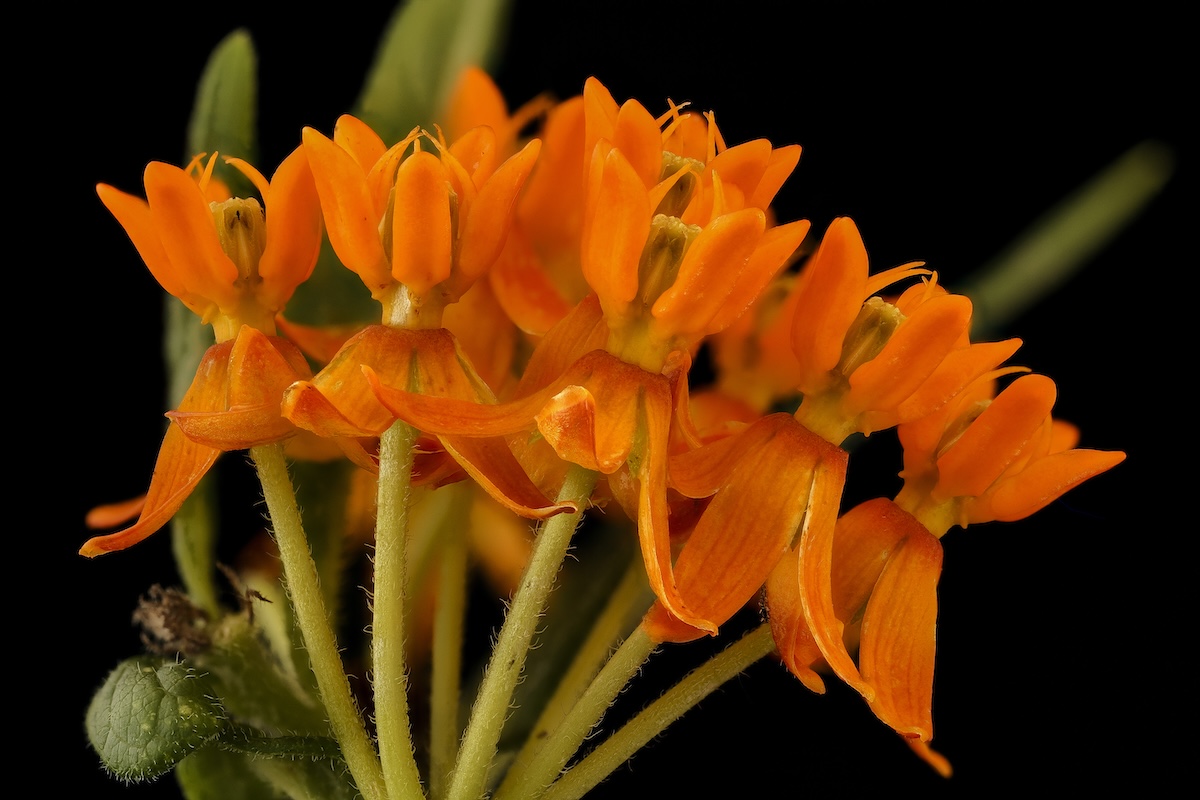
Pleurisy root is a North American wildflower long valued by Native American peoples and Western herbalists as one of the foremost remedies for the lungs and respiratory tract, as its name suggests. Classified as bitter and slightly warming, its primary action is as an expectorant and diaphoretic, traditionally used to ease congested coughs, bronchitis, and chest infections by helping to loosen and expel phlegm while promoting gentle sweating to break fevers. It is especially associated with easing difficult, painful breathing and the dry, hot conditions of the chest. Pleurisy root is also mildly antispasmodic, helping to relax the airways and quiet spasmodic coughs. Its active compounds support its expectorant and diaphoretic effects. Warming and opening to the lungs, pleurisy root is treasured as a remedy for respiratory congestion, coughs, and feverish chest conditions.
Medicinal Uses
Pleurisy root is a striking orange-flowered wildflower native to North America, and unlike most milkweeds it has a tuberous root rather than milky sap. It was widely used by Native American peoples and was adopted by Western herbalists as a leading remedy for the respiratory system, a reputation reflected in its common name. It is classified as bitter and slightly warming.
The foremost medicinal use of pleurisy root is for the lungs and respiratory tract. As an expectorant, it is traditionally used to loosen and help expel thick phlegm and mucus, making it valuable for congested, productive coughs, bronchitis, and chest infections. It is especially associated with conditions involving difficult, painful, or labored breathing and dry, hot, tight sensations in the chest.
Pleurisy root is also a classic diaphoretic, meaning it promotes gentle perspiration. This action has long been used to help break fevers and support the body during feverish respiratory illnesses such as colds, flu, and the chest conditions for which it is named, encouraging the body's natural cooling and recovery.
The herb has a mild antispasmodic quality as well, helping to relax the bronchial passages and ease spasmodic and irritating coughs, which complements its expectorant action.
Pleurisy root contains glycosides, flavonoids, and other compounds that support its expectorant and diaphoretic effects. As a member of the milkweed family it is used in appropriate medicinal amounts and avoided in pregnancy. Warming and opening to the lungs, pleurisy root is treasured as a remedy for respiratory congestion, coughs, and feverish chest conditions.
Benefits
Supports the lungs and respiratory tract, loosens and expels phlegm, eases congested and productive coughs, helps with bronchitis and chest infections, eases difficult and painful breathing, promotes sweating to break fevers, relaxes the airways, quiets spasmodic coughs
How to Use & Dosage
Steep 1 teaspoon of the dried root in hot water for 15 minutes. Drink 1 cup up to 3 times daily.
1-2 ml (about 20-40 drops), taken up to 3 times daily.
Simmer 1 teaspoon of dried pleurisy root in water for 15-20 minutes. Drink up to 1-2 cups daily.
More Info
Frequently asked questions
What is Pleurisy root used for?
Pleurisy root is a striking orange-flowered wildflower native to North America, and unlike most milkweeds it has a tuberous root rather than milky sap. It was widely used by Native American peoples and was adopted by Western herbalists as a leading remedy for the respiratory system, a reputation reflected in its common name. It is classified as bitter and slightly warming.
What are the benefits of Pleurisy root?
Supports the lungs and respiratory tract, loosens and expels phlegm, eases congested and productive coughs, helps with bronchitis and chest infections, eases difficult and painful breathing, promotes sweating to break fevers, relaxes the airways, quiets spasmodic coughs
How do you take Pleurisy root?
Common preparations include infusion, tincture, decoction. See the dosage guidance above, and consult a qualified practitioner for amounts suited to you.
This information is for general wellness and educational purposes only and is not medical advice. Consult a qualified healthcare provider before using any herb — especially if you are pregnant, nursing, or taking medication.