Pine bark
Pinus pinaster · Pinaceae
Reviewed by The Sarv Health Team · Updated June 29, 2026 · Our editorial process
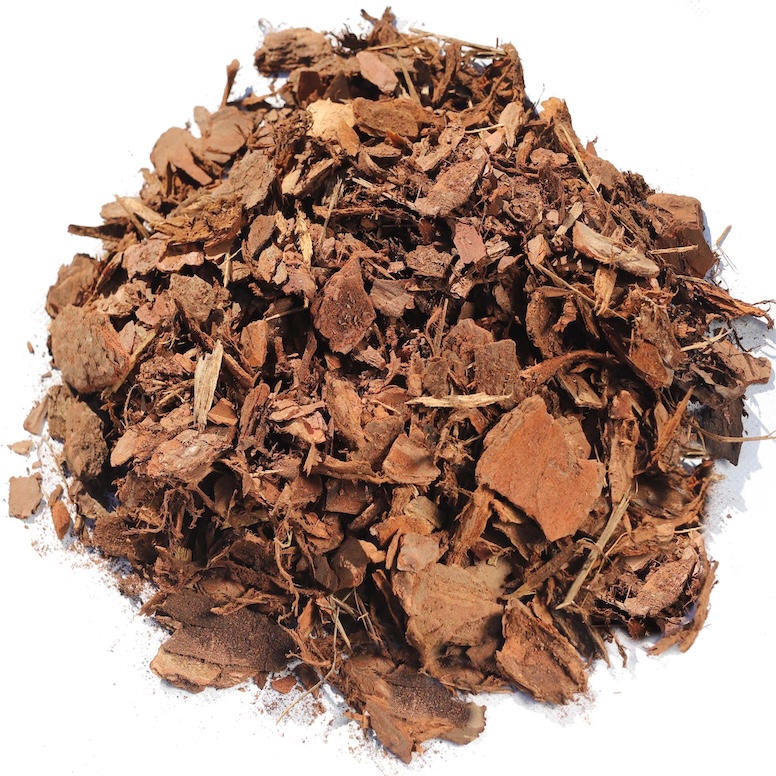
Pine bark, particularly the bark of the French maritime pine, is the source of one of the most concentrated natural sources of antioxidant compounds known as proanthocyanidins, popularized in the standardized extract Pycnogenol. Pine bark preparations have long folk roots, famously credited with curing scurvy in early explorers thanks to their vitamin-C-sparing flavonoids. Today pine bark extract is valued chiefly as a powerful antioxidant and circulatory support, traditionally and clinically used to strengthen blood vessels and capillaries, improve circulation, and support healthy veins, easing conditions such as poor circulation, varicose veins, and swelling. It is also used to support skin health and elasticity, reduce inflammation, support healthy blood pressure and blood sugar, and protect against oxidative stress. Its proanthocyanidins underlie these vascular and antioxidant effects. Protective and strengthening, pine bark is treasured as a remedy for circulation, blood vessels, skin, and antioxidant support.
Medicinal Uses
Pine bark, especially the bark of the French maritime pine, is one of the richest natural sources of proanthocyanidins, a class of powerful antioxidant flavonoids. A standardized extract of this bark is widely known by the trade name Pycnogenol, and pine bark preparations also have older folk roots, including the celebrated historical account of a pine bark and needle infusion curing scurvy among early explorers.
The foremost medicinal use of pine bark extract is as a potent antioxidant and circulatory support. It is valued for strengthening blood vessels and capillaries, improving blood flow, and supporting the health and integrity of the veins. This makes it a popular remedy for poor circulation, varicose veins, spider veins, leg swelling and heaviness, and chronic venous insufficiency.
Pine bark is also widely used for skin health. Its antioxidant and collagen-supporting effects are used to support skin elasticity, hydration, and a healthy complexion, and to help protect the skin from oxidative and sun-related damage.
The extract is further used to support healthy blood pressure and blood sugar, to reduce inflammation, and to support healthy cognitive and joint function, reflecting its broad antioxidant and vascular-protective action.
Pine bark's benefits are attributed chiefly to its proanthocyanidins and other flavonoids and phenolic acids, which provide strong antioxidant, anti-inflammatory, and circulation-supporting effects, including support for healthy nitric oxide and blood vessel function. Protective and strengthening, pine bark is treasured as a remedy for circulation, blood vessels, skin, and antioxidant support.
Benefits
Provides powerful antioxidant protection, strengthens blood vessels and capillaries, improves circulation, supports healthy veins, eases varicose veins and leg swelling, supports skin health and elasticity, helps protect skin from oxidative damage, supports healthy blood pressure and blood sugar, reduces inflammation
How to Use & Dosage
Standardized pine bark extract (Pycnogenol), 50-200 mg per day, divided into 1-2 doses.
2-4 ml (about 40-80 drops), taken 2-3 times daily.
Simmer 1-2 teaspoons of dried pine bark in water for 15-20 minutes. Drink 1-2 cups daily.
More Info
Frequently asked questions
What is Pine bark used for?
Pine bark, especially the bark of the French maritime pine, is one of the richest natural sources of proanthocyanidins, a class of powerful antioxidant flavonoids. A standardized extract of this bark is widely known by the trade name Pycnogenol, and pine bark preparations also have older folk roots, including the celebrated historical account of a pine bark and needle infusion curing scurvy among early explorers. The foremost medicinal use of pine bark extract is as a potent antioxidant and circulatory support.
What are the benefits of Pine bark?
Provides powerful antioxidant protection, strengthens blood vessels and capillaries, improves circulation, supports healthy veins, eases varicose veins and leg swelling, supports skin health and elasticity, helps protect skin from oxidative damage, supports healthy blood pressure and blood sugar, reduces inflammation
How do you take Pine bark?
Common preparations include capsules, tincture, decoction. See the dosage guidance above, and consult a qualified practitioner for amounts suited to you.
This information is for general wellness and educational purposes only and is not medical advice. Consult a qualified healthcare provider before using any herb — especially if you are pregnant, nursing, or taking medication.
Learn more — more Pain Management herbs