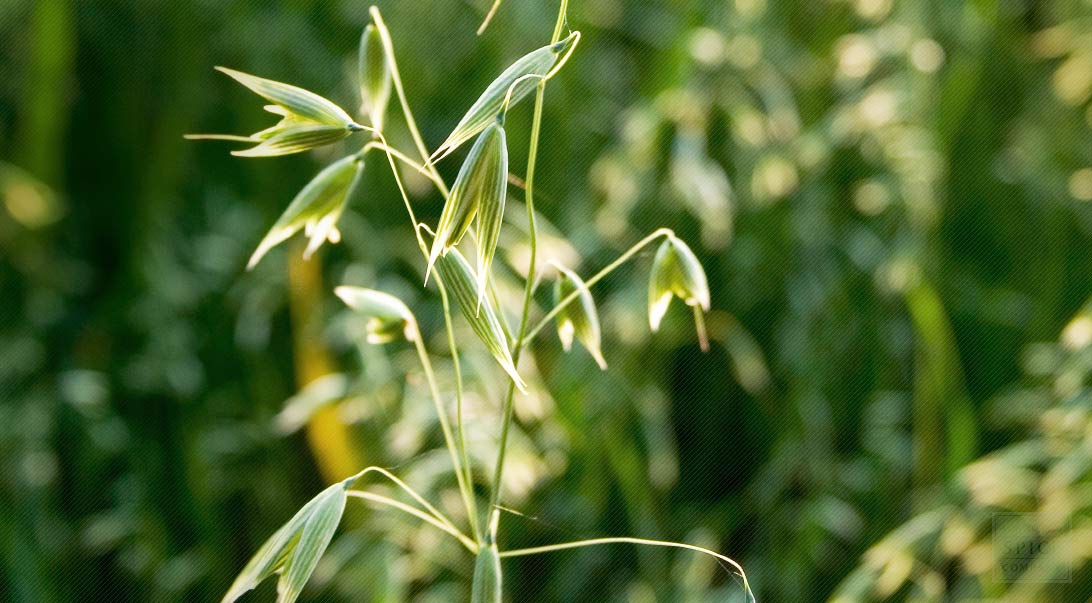
Olive leaf
Oleaceae
Reviewed by The Sarv Health Team · Our editorial process
Olive leaf is renowned for its health benefits due to the active compound oleuropein. It has strong antimicrobial properties, combating bacteria, viruses, and fungi, and supporting the immune system. Olive leaf also promotes cardiovascular health by lowering blood pressure, reducing cholesterol, and improving circulation, which helps protect against heart disease and stroke. Its antioxidant properties neutralize free radicals, reducing oxidative stress and cell damage, thereby slowing aging and lowering the risk of chronic diseases like cancer. Additionally, olive leaf supports metabolic health by improving insulin sensitivity and regulating blood sugar levels, making it beneficial for diabetes management. Its anti-inflammatory effects help reduce inflammation and alleviate symptoms of conditions like arthritis, supporting joint health and reducing pain. Overall, olive leaf offers significant antimicrobial, cardiovascular, antioxidant, metabolic, and anti-inflammatory benefits.
Medicinal Uses
Olive leaf is a medicinal herb renowned for its extensive health benefits, primarily attributed to its active compound oleuropein. This bioactive compound, along with other polyphenols, contributes to the leaf's potent therapeutic properties.
One of the primary medicinal uses of olive leaf is its antimicrobial activity. Olive leaf exhibits strong antibacterial, antiviral, and antifungal properties, making it effective in fighting a wide range of infections. It helps combat pathogens and supports the immune system, enhancing the body’s ability to ward off illnesses.
Olive leaf also has significant cardiovascular benefits. It helps lower blood pressure, reduce cholesterol levels, and improve overall heart health. The polyphenols in olive leaf contribute to the relaxation of blood vessels, improved circulation, and reduced risk of atherosclerosis, thereby protecting against heart disease and stroke.
Additionally, olive leaf is known for its antioxidant properties. It neutralizes free radicals, reducing oxidative stress and protecting cells from damage. This antioxidant activity helps slow down the aging process and reduces the risk of chronic diseases such as cancer.
Olive leaf also supports metabolic health. It can improve insulin sensitivity and regulate blood sugar levels, making it beneficial for individuals with diabetes or those at risk of developing the condition. By promoting better glucose metabolism, olive leaf helps maintain stable blood sugar levels.
Furthermore, olive leaf has anti-inflammatory properties. It helps reduce inflammation throughout the body, alleviating symptoms of inflammatory conditions such as arthritis. Its anti-inflammatory effects also support joint health and reduce pain.
Benefits
Fights bacterial, viral, and fungal infections, supports the immune system, lowers blood pressure, reduces cholesterol, improves circulation, protects against heart disease and stroke, neutralizes free radicals, reduces oxidative stress, protects cells from damage, improves insulin sensitivity, regulates blood sugar levels, reduces inflammation, alleviates arthritis symptoms, supports joint health
How to Use & Dosage
Steep 1-2 teaspoons of dried olive leaves in a cup of boiling water for 10-15 minutes. Drink 1-2 cups of olive leaf tea daily.
1/4 to 1/2 teaspoon, taken 1-2 times daily.
1-2 ml (about 20-40 drops), taken 1-3 times daily.
More Info
Frequently asked questions
What is Olive leaf used for?
Olive leaf is a medicinal herb renowned for its extensive health benefits, primarily attributed to its active compound oleuropein. This bioactive compound, along with other polyphenols, contributes to the leaf's potent therapeutic properties. One of the primary medicinal uses of olive leaf is its antimicrobial activity.
What are the benefits of Olive leaf?
Fights bacterial, viral, and fungal infections, supports the immune system, lowers blood pressure, reduces cholesterol, improves circulation, protects against heart disease and stroke, neutralizes free radicals, reduces oxidative stress, protects cells from damage, improves insulin sensitivity, regulates blood sugar levels, reduces inflammation, alleviates arthritis symptoms, supports joint health
How do you take Olive leaf?
Common preparations include tea, powder, tincture. See the dosage guidance above, and consult a qualified practitioner for amounts suited to you.
This information is for general wellness and educational purposes only and is not medical advice. Consult a qualified healthcare provider before using any herb — especially if you are pregnant, nursing, or taking medication.
Learn more — more Pain Management herbs