Neem
Azadirachta indica · Meliaceae
Reviewed by The Sarv Health Team · Updated July 6, 2026 · Our editorial process
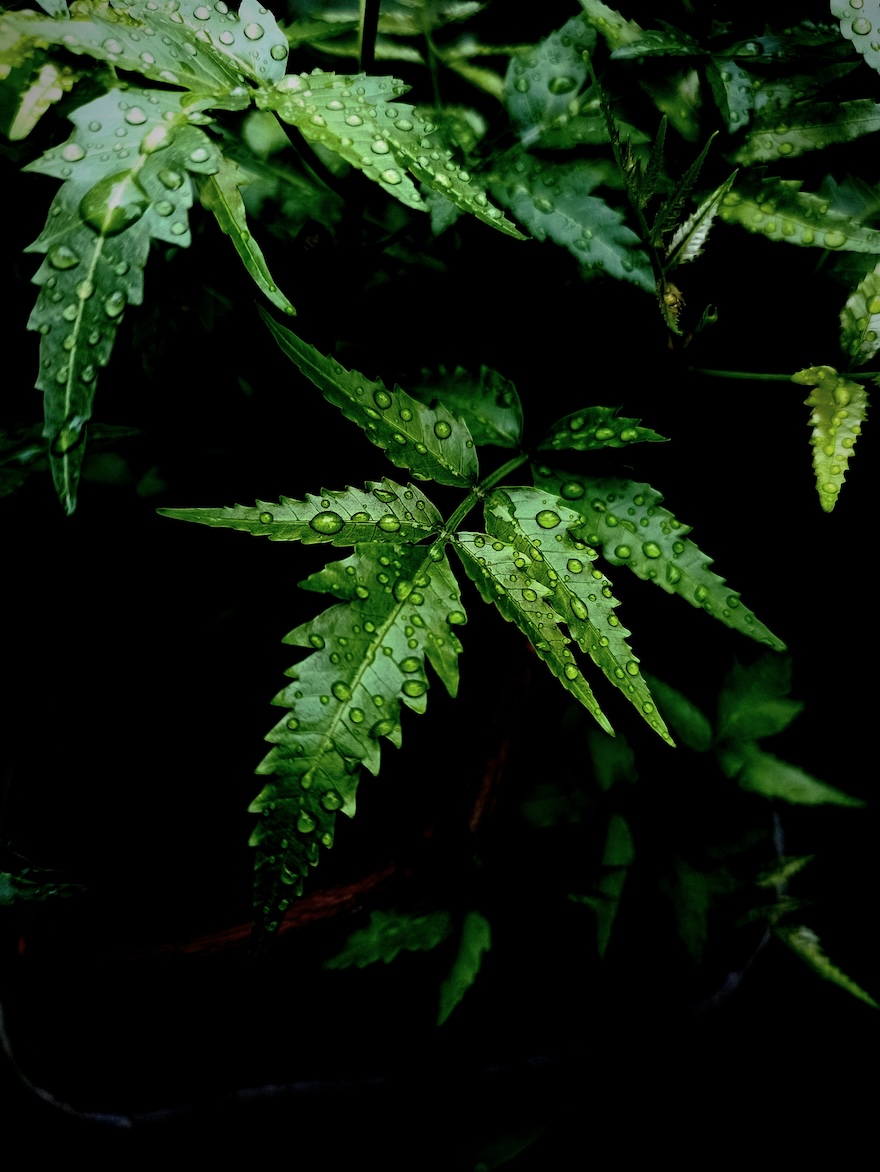
Neem is one of the most important herbs in Ayurveda, so esteemed that it is sometimes called the village pharmacy for its vast range of uses. Intensely bitter and cooling, it is the classic remedy for clearing heat and toxins from the blood and skin, traditionally used for acne, eczema, rashes, wounds, and other inflammatory and infectious skin conditions, both internally and applied externally. Neem is a powerful antimicrobial, antifungal, and antiparasitic, used to combat a wide range of infections and to support healthy teeth and gums, with neem twigs traditionally chewed as toothbrushes. It is also used to support healthy blood sugar, liver function, and gentle detoxification. Rich in compounds such as azadirachtin and nimbin, neem offers broad antimicrobial and anti-inflammatory effects. Cooling and purifying, neem is treasured as a remedy for skin, infections, oral health, and blood cleansing.
Medicinal Uses
Neem is among the most valued and versatile herbs in Ayurveda, so widely used that it has been called the village pharmacy. Every part of the tree has medicinal applications, and the herb is classified as intensely bitter and cooling, making it a premier remedy for clearing heat and toxins (pitta) from the body.
The foremost medicinal use of neem is for the skin and blood. It is the classic Ayurvedic blood purifier, used internally and applied externally to treat acne, eczema, psoriasis, rashes, boils, wounds, and other inflammatory and infectious skin conditions. Its cooling, cleansing action helps calm heat, itching, and irritation while supporting healing.
Neem is also a powerful antimicrobial. It has well-documented antibacterial, antifungal, and antiparasitic properties and is traditionally used to combat a wide range of infections, including skin and fungal infections and intestinal parasites. Neem is famous for oral health as well, with its twigs traditionally chewed as natural toothbrushes to protect the teeth and gums.
The herb is further used to support healthy blood sugar levels, to support liver function and gentle detoxification, and to soothe certain inflammatory conditions.
Rich in active compounds such as azadirachtin, nimbin, and nimbidin, neem provides broad antimicrobial, anti-inflammatory, and antioxidant effects. Because it is strongly bitter and cooling, it is generally used in measured amounts and is avoided during pregnancy. Cooling and purifying, neem is treasured as a remedy for the skin, infections, oral health, and blood cleansing.
Benefits
Clears heat and toxins from the blood, supports healthy skin, treats acne, eczema, and rashes, helps heal wounds, fights bacterial, fungal, and parasitic infections, supports healthy teeth and gums, helps regulate blood sugar, supports liver function and detoxification, reduces inflammation
How to Use & Dosage
1/4 to 1/2 teaspoon of neem leaf powder, taken once daily.
Apply neem oil or a cooled strong infusion to affected skin, or use neem oil diluted in a carrier oil.
300-1000 mg per day, divided into 1-2 doses.
Steep 1 teaspoon of dried neem leaves in hot water for 10-15 minutes. Drink up to 1 cup daily (very bitter).
More Info
Frequently asked questions
What is Neem used for?
Neem is among the most valued and versatile herbs in Ayurveda, so widely used that it has been called the village pharmacy. Every part of the tree has medicinal applications, and the herb is classified as intensely bitter and cooling, making it a premier remedy for clearing heat and toxins (pitta) from the body. The foremost medicinal use of neem is for the skin and blood.
What are the benefits of Neem?
Clears heat and toxins from the blood, supports healthy skin, treats acne, eczema, and rashes, helps heal wounds, fights bacterial, fungal, and parasitic infections, supports healthy teeth and gums, helps regulate blood sugar, supports liver function and detoxification, reduces inflammation
How do you take Neem?
Common preparations include powder, topical, capsules, infusion. See the dosage guidance above, and consult a qualified practitioner for amounts suited to you.
This information is for general wellness and educational purposes only and is not medical advice. Consult a qualified healthcare provider before using any herb — especially if you are pregnant, nursing, or taking medication.
Learn more — more Pain Management herbs